

Please provide the source article or the name and verified quotation of the Open Diesel Generator expert. Without a reliable source, I can’t responsibly attribute a statement to a named person.
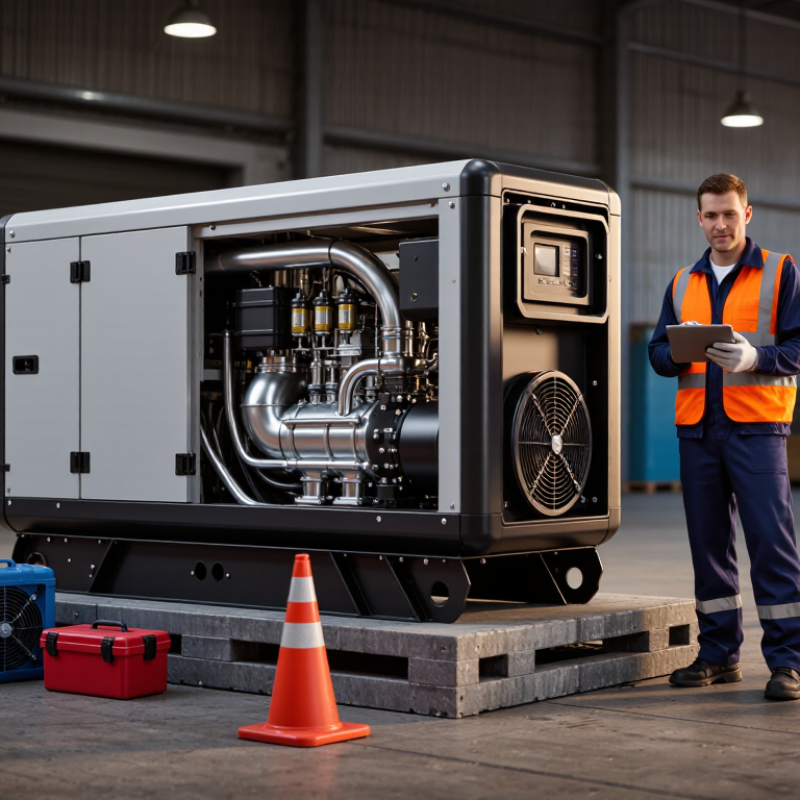
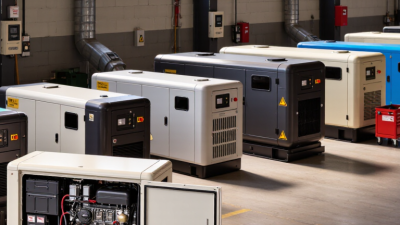
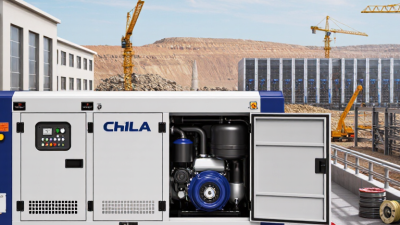
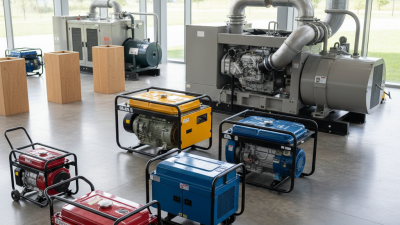
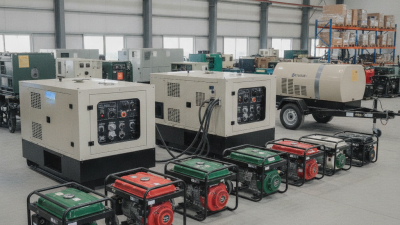
An open diesel generator is a diesel-powered generator set with its engine and alternator mounted on an exposed frame. Unlike an enclosed model, it has no full sound-attenuating or weatherproof cabinet around these parts. The frame supports the equipment, while a control panel lets an operator monitor readings such as voltage, frequency, and engine temperature. Simple, but important.
Depending on the design, the fuel tank may sit beneath the frame or be installed separately. Cooling components and the exhaust system are also visible, making routine checks easier. A technician can inspect hoses, connections, and fluid levels without opening a large enclosure. The trade-off is clear: exposed equipment usually produces more noise and needs protection from rain, dust, and accidental contact. It is not automatically suitable for an indoor space; exhaust routing and adequate ventilation matter. Placement matters.
For example, a unit near a workshop may require a separate weather shelter and careful attention to noise. An open frame can also make service access feel straightforward, though cramped layouts still occur. That part is easy to underestimate. Choosing one means considering its rated output, operating environment, maintenance access, and the loads it must support—not just the generator’s physical size.
An open diesel generator turns fuel energy into electricity through a sequence of mechanical steps. Air enters the cylinder and is compressed until it becomes hot. Fuel is then injected as a fine spray. Combustion pushes the piston down, turning the crankshaft. That shaft spins the alternator’s rotor inside a stationary winding, creating electrical current. A voltage regulator helps keep the output steady as the load changes. The process is compact, but heat, vibration, and changing loads all affect performance.
Fuel data gives useful context, not a guaranteed output. The U.S. Department of Energy’s Alternative Fuels Data Center lists diesel’s energy content at 137,381 Btu per gallon. Only part of that energy becomes electricity; the rest leaves as heat, exhaust, and mechanical losses. That distinction matters. In an open-frame unit, visible airflow around the engine and alternator helps carry away heat, while also leaving components more exposed to dust and weather. A real-world choice should match the generator’s continuous rating to the equipment being powered, not just its peak figure. Even then, sizing can be imperfect: motor start-up surges are easy to underestimate, and a brief test may not reveal them.
An open diesel generator’s performance starts with the correct power rating. Check whether the stated output is for prime or standby use, then compare it with the actual load profile. Motors and pumps can draw much more current during startup than they use while running. A unit sized only for steady demand may struggle at that moment. Small details matter.
The alternator and voltage regulator affect how well the generator handles changing loads. Look for stable voltage and frequency, especially if equipment has sensitive controls. Cooling capacity matters too: blocked airflow, high ambient temperatures, or dusty conditions can reduce output. Fuel consumption should be checked at several load levels, not just at full power. A lightly loaded generator may use fuel less efficiently than expected. That gap matters.
For an open-frame unit, plan for airflow, weather protection, and practical service access. Technicians should be able to reach filters, belts, and fluid checks without dismantling surrounding equipment. Ratings also depend on site conditions, so altitude and temperature deserve attention. I would not judge a generator by its headline kilowatt figure alone; even a tidy specification sheet can leave out the conditions behind that number.
What Is the Best Open Diesel Generator?
How to Compare Open Diesel Generator Models
The best choice is not automatically the unit with the highest kilowatt rating. Match continuous output to your actual running loads, then check motor-starting surges and likely peak demand. Compare voltage, frequency, alternator capacity, and load-step performance. ISO 8528-5 describes performance classes for generator-set transient behavior, including how a set responds when load changes suddenly. Ratings alone can hide important differences. A pump starting in a cold workshop may expose them.
Fuel use deserves a like-for-like comparison. Ask for consumption figures at 50%, 75%, and 100% load, rather than relying on one maximum-load figure. The U.S. Energy Information Administration lists distillate fuel oil at about 137,381 Btu per gallon; this helps check fuel-energy assumptions, but does not predict a particular generator’s efficiency. Also compare service access, lifting points, footprint, and exhaust direction. A tidy spreadsheet can still miss the awkward detail: where the hot exhaust will go.
Tips: Compare sound-pressure data at the same distance and load. Open-frame sets offer easy access, but need suitable weather protection and careful placement. Check the test conditions behind every quoted figure. If conditions differ, the comparison is imperfect. That is worth admitting.
Choosing the best open diesel generator starts with the load, not the largest number on a sales sheet. List the equipment that must run together, including pumps, compressors, lighting, and control systems. Motors can draw much more power at startup than during steady operation. Record both running and starting loads, then compare them with the generator’s continuous rating. The IEA’s Electricity 2024 report projected global electricity demand to grow by an average of 3.4% annually from 2024 to 2026. That trend highlights the value of reliable power planning, but it does not determine your site’s generator size.
An open-frame set can suit a ventilated plant area where easy access matters. It offers little protection from rain, dust, or sound, so plan for a suitable location and safe exhaust clearance. Check rated output at your site’s altitude and expected temperatures; heat and elevation can reduce available power. Compare fuel consumption at realistic operating loads, not just full load. Also review service intervals, parts access, and whether the unit can handle sudden load changes. A tidy spreadsheet can miss those details. I would recheck the actual load list before ordering.
Tips: Measure peak demand with a power meter if possible. Keep the generator outdoors, away from doors and windows, and allow room for maintenance. Small details matter.