Top Generator Set Types What You Need to Know?
Choosing the right Generator Set is crucial for various applications. From powering businesses to supporting outdoor events, an efficient unit can make all the difference. Generator Sets come in several types, each with unique features and benefits. Understanding these differences is key to making an informed decision.
In the world of energy solutions, generator sets stand out. They provide backup power during outages and play essential roles in construction sites. However, selecting the ideal type can be challenging. It's not just about wattage; it's also about application, mobility, and fuel type. For instance, portable generators are ideal for camping but may lack the power needed for industrial use.
As you explore Generator Set options, consider your specific requirements. Each type has its strengths and weaknesses. Evaluating these can lead to better reliability and efficiency. Remember, the best choice may require some reflection and careful thought. Ultimately, a well-chosen generator set enhances productivity and peace of mind.
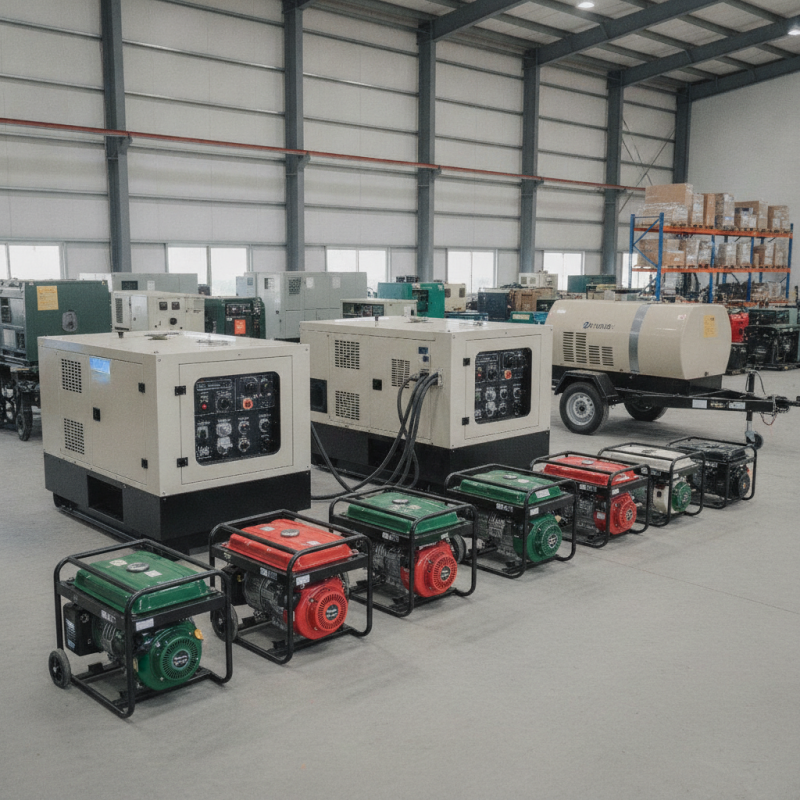
Overview of Generator Set Types and Their Applications
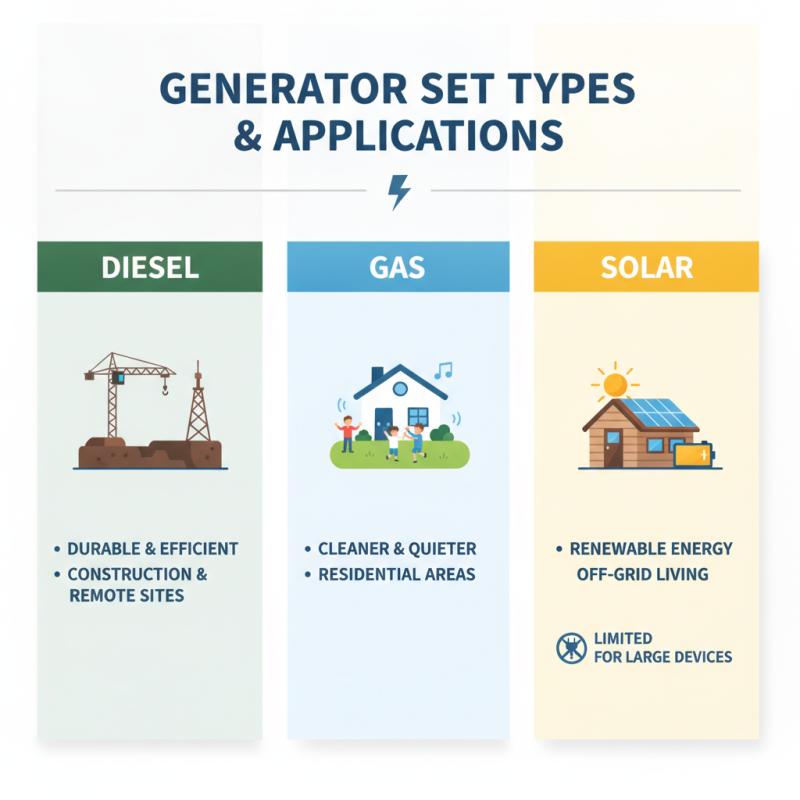
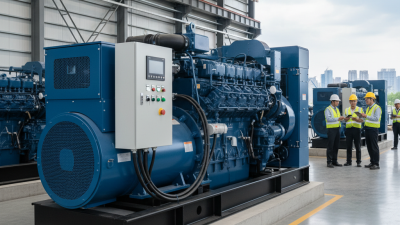
Generator sets, or gensets, come in various types, each suited for specific applications. Understanding these can help you choose the right one. Diesel generators are popular for their durability and efficiency. They work well for construction sites and remote locations. Gas generators are cleaner and quieter. They are often used in residential areas. Solar generators, on the other hand, rely on renewable energy. They are ideal for off-grid living but may not fully power larger devices.
Portable generators are compact and versatile. They are perfect for camping or emergency backup power. However, their limited output may not sustain larger appliances. Standby generators, connected to a home’s power supply, provide instant power during outages. They ensure a reliable electricity source but can be more costly. Understanding your specific power needs is crucial.
While each type has its advantages, there are drawbacks to consider. Diesel generators emit emissions, while gas types might be less efficient in colder weather. Solar options require ample sunlight and can be expensive. Evaluating your needs versus these limitations will lead to better choices. Proper maintenance plays a significant role in the performance of any generator set. It ensures they operate effectively and prolongs their lifespan.
Comparison of Portable and Standby Generator Sets
When deciding between portable and standby generator sets, understanding their differences is crucial.
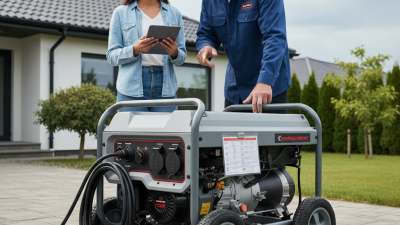
Portable generators are versatile. They can be easily moved to various locations. These sets are ideal for camping trips or outdoor events. However, they usually provide limited power. They often run on gasoline and need frequent refueling.
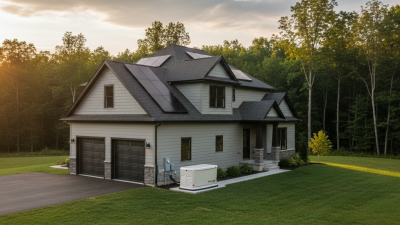
Standby generators offer a more permanent solution. They connect directly to your home's electrical system. When the power goes out, they start automatically. This seamless transition can be incredibly reassuring. Many standby units can run on natural gas or propane, providing longer operation times. Yet, installation can be complicated. Costs may add up significantly.
Choosing the right generator depends on your specific needs. Analyze your power requirements. Consider the frequency of outages in your area. Safety, ease of use, and efficiency are essential. Reflect on what fits best with your lifestyle. It's not just about power; it's about reliability.
Key Features of Inverter Generator Sets
Inverter generator sets are a popular choice for many users seeking reliable power sources. They are known for their efficiency and portability. Unlike traditional generators, inverter generators produce clean and stable energy, making them suitable for sensitive devices like laptops and smartphones. Their compact size also allows easy transport, making them ideal for camping and outdoor activities.
When choosing an inverter generator, consider the noise level. Many models operate quietly, which is a significant advantage in recreational settings. Check the fuel efficiency ratings, as some units can run longer on less fuel. Battery life is another factor; longer battery life means fewer disruptions during use.
Tips: Always assess your power needs before purchase. A unit too powerful can waste energy. Also, remember to check for maintenance requirements. Regular upkeep is crucial for longevity. Lastly, affordability matters. Some high-quality units may initially seem costly but offer better long-term value. Reflect on your choices. Sometimes, the most popular option isn’t the best fit for you.
Understanding Diesel vs. Gasoline Generator Sets
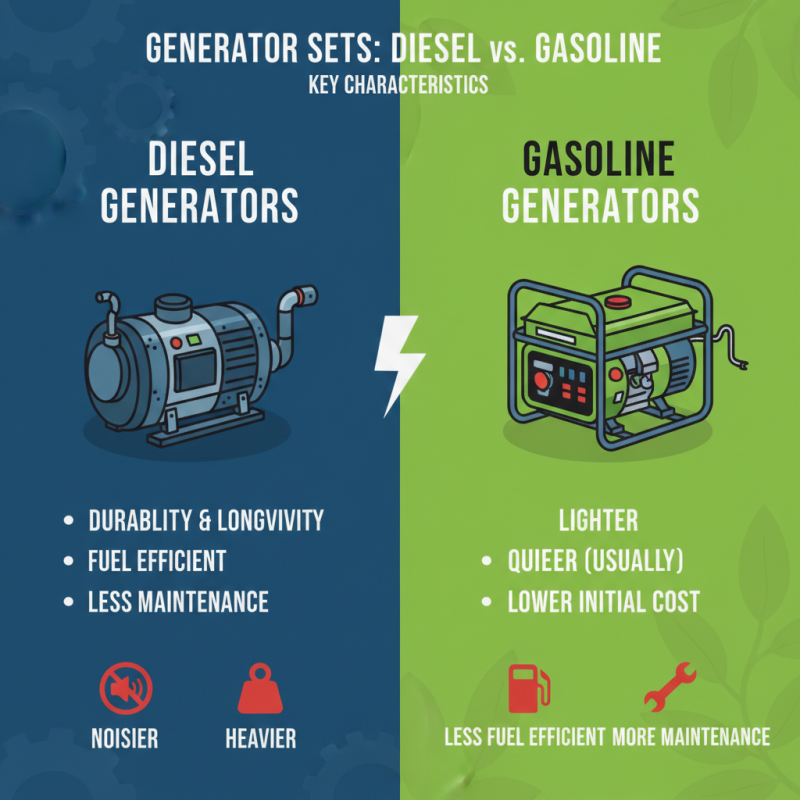
When choosing between diesel and gasoline generator sets, it's essential to understand their distinct characteristics. Diesel generators are known for their durability and fuel efficiency. They typically require less maintenance than gasoline models. Their robust construction helps them operate for longer periods. However, they can be heavier and noisier, which may not be ideal in residential areas.
Gasoline generators, on the other hand, are often more portable. They are lighter and easier to transport, making them preferable for temporary power needs. However, they tend to consume fuel faster and require more frequent refueling. Additionally, gasoline can be volatile, raising safety concerns.
Both types have their pros and cons. Diesel generators often outlast gasoline models in terms of lifespan, but they come with higher upfront costs. Gasoline generators are more accessible but may not provide the same longevity. Ultimately, the choice depends on your specific needs, available space, and budget. It's crucial to weigh these factors carefully before making a decision.
Factors to Consider When Choosing a Generator Set
When selecting a generator set, several key factors need to be evaluated. Your power needs should align with the generator’s capacity. Consider how much wattage your appliances and equipment require. This assessment prevents underperformance or overload situations. Also, it's vital to think about the intended use—whether for home backup, construction sites, or events. Each application has specific requirements, impacting the generator choice.
Fuel type is another important aspect. Diesel generators offer durability and efficiency, while propane models can be cleaner and quieter. Imagine the fuel availability in your area. Accessibility can significantly affect operational reliability. Additionally, noise levels can be a concern. If your generator will operate near residential zones, a quieter model may be necessary.
Lastly, think about maintenance and service needs. Each generator set will require upkeep to function efficiently. Investigate the availability of service and spare parts in your area. Lastly, always check user reviews and expert opinions. They can provide insights into reliability and performance that specifications alone cannot reveal.
Top Generator Set Types: What You Need to Know
| Generator Type |
Fuel Type |
Power Output (kW) |
Ideal Application |
Key Features |
| Portable Generators |
Gasoline |
1 - 7 |
Camping, Outdoor Events |
Lightweight, Easy to Transport |
| Inverter Generators |
Gasoline |
1 - 4 |
Sensitive Electronics |
Quiet Operation, Clean Power |
| Standby Generators |
Natural Gas, Propane |
5 - 50 |
Home, Business Backup |
Automatic Start, Permanent Installation |
| Diesel Generators |
Diesel |
10 - 2000 |
Industrial, Construction Sites |
High Efficiency, Durability |
| Hydrogen Fuel Cell Generators |
Hydrogen |
5 - 50 |
Off-Grid, Emergency Power |
Eco-Friendly, Low Emissions |