2026 How to Choose the Best Generator Set for Your Needs?
Choosing the right Generator Set can be a daunting task. With numerous options on the market, it's essential to understand your specific needs. A Generator Set provides backup power, ensuring your daily routine remains uninterrupted.
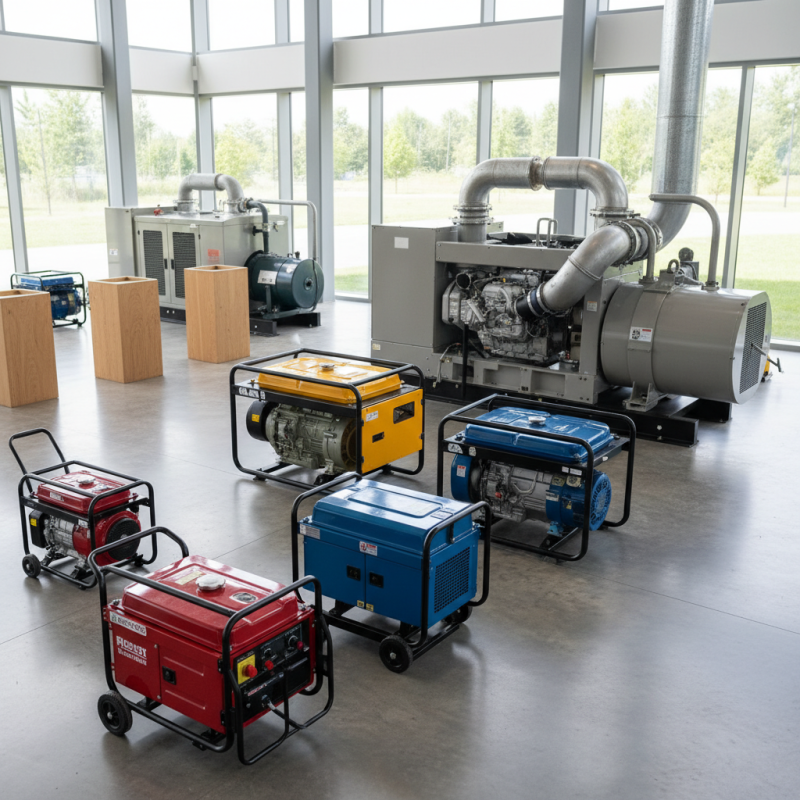
Different sizes and types cater to various requirements. For instance, residential units are typically smaller and more portable. They can power essential appliances during outages. In contrast, industrial Generator Sets are larger, supporting heavy machinery and larger facilities. These distinctions matter when selecting the right model.
Take the time to assess fuel types, power output, and runtime. Do you prefer diesel or gasoline? What wattage will suit your needs? Evaluating these details can lead to a more informed decision. Rushing this choice might leave you with a generator that does not meet your expectations. Keep these considerations in mind to find a Generator Set that truly fits your requirements.
Understanding Your Power Needs: Assessing Wattage Requirements
Understanding your power needs is crucial when selecting a generator set. Start by calculating your wattage requirements. This involves adding the wattage of all devices you intend to power simultaneously. For instance, a refrigerator uses about 700 watts, while a microwave may require around 1,200 watts. This simple exercise helps you determine the total wattage needed.
Tips: Assess both starting and running watts. Some appliances draw more power to start than to run. Ensure your generator can handle the peak demand. Don’t forget to account for future needs. You may want to add devices later, so plan for extra capacity.
Consider the type of fuel your generator will use. Gasoline, propane, and diesel each have different availability and storage requirements. Think about how often you will need to refuel. This affects your long-term reliability and convenience. Assess your space as well. A compact generator may fit better if you have limited room.
Tips: Always check your local regulations. Some areas have specific guidelines for generator installations. Proper ventilation is essential for safety, too. Don’t overlook these vital aspects. Reflect on your preferences and needs. Each choice you make shapes your overall satisfaction with the generator.
Types of Generator Sets: Exploring Portable vs. Standby Generators
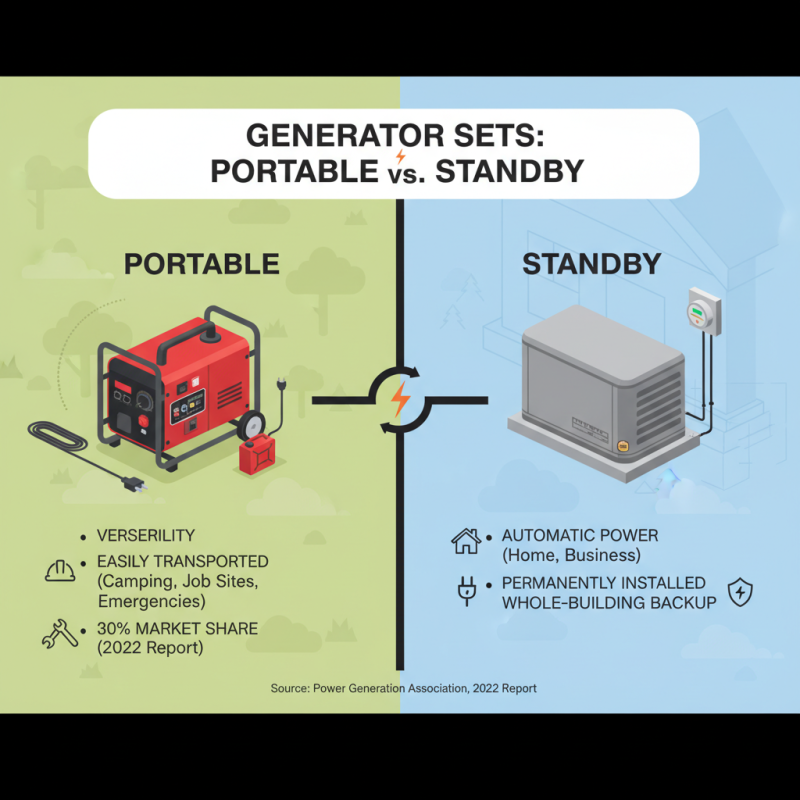
When considering generator sets, understanding the difference between portable and standby generators is crucial. Portable generators are often favored for their versatility. They can be easily transported to various locations, making them ideal for camping, construction sites, and emergency use. According to a report by the Power Generation Association, portable generators accounted for approximately 30% of the generator market in 2022, showcasing their popularity among consumers looking for flexible solutions.
On the other hand, standby generators are a robust choice for homeowners seeking reliability. These generators are permanently installed and automatically activate during power outages. They provide seamless power restoration, making them essential for homes in areas prone to severe weather. Industry data indicates that standby generators have seen a growth rate of about 10% annually, largely driven by increasing demand for uninterrupted power supply. However, the installation process can be complex and costly, leading some to hesitate.
Both types have their shortcomings. Portable generators usually require manual operation, which can lead to safety concerns if not managed properly. Standby generators may come with ongoing maintenance costs that can catch many owners off guard. Understanding these details can aid in making the right choice based on your unique energy needs.
Fuel Options for Generators: Comparing Gasoline, Diesel, and Propane
When selecting a generator, fuel choice is crucial. Gasoline, diesel, and propane are common options with distinct advantages and drawbacks. Each fuel type influences efficiency, cost, and maintenance.
Gasoline generators are often less expensive upfront. They are widely available and easy to refuel. According to the U.S. Energy Information Administration, gasoline costs fluctuate but typically average around $3 per gallon, affecting overall operating expenses. However, gasoline can be less stable and has a shorter shelf life. Storing it safely requires careful management.
Diesel generators are known for their durability and longevity. They generally offer better fuel economy than gasoline, delivering around 30% more energy per gallon. The Diesel Technology Forum states that diesel fuel remains efficient, with prices fluctuating around $4 per gallon. Maintenance can be more intensive, and these generators can be louder compared to gasoline models.
Propane stands out for its clean-burning properties. It has a longer shelf life and can be stored effectively, making it reliable for emergency use. A report from the Propane Education & Research Council highlights that propane combustion produces fewer emissions, appealing to environmentally conscious users. However, the cost of propane is variable and may not always be the most economical choice. Despite its cleaner profile, some may find availability challenging in certain regions.
Fuel Options for Generators: Comparing Gasoline, Diesel, and Propane
Key Features to Consider: Noise Level, Efficiency, and Runtime
When selecting a generator set, noise level is crucial. A loud generator can disrupt your environment, especially in residential areas. Look for models with lower decibel ratings. Silent operation enhances comfort and can be essential for events or in quiet neighborhoods. Many generators also offer eco-mode, which reduces noise levels while running efficiently.
Efficiency is another key feature. A generator that consumes less fuel saves you money. Consider models with higher fuel efficiency ratings. These generators can run longer on the same amount of fuel. This helps during extended power outages, where every drop of fuel counts.
Runtime is vital for uninterrupted power. Check how long a generator can run on a full tank. Some models may claim long runtimes but aren’t practical for all uses. Always balance runtime with the load you plan to run.
Tip: Read user reviews to gauge real-world performance. Collect insights on noise levels and efficiency.
Tip: Think about your typical usage scenarios. This helps in choosing a generator that meets your needs effectively.
2026 How to Choose the Best Generator Set for Your Needs? - Key Features to Consider
| Feature |
Description |
Example Value |
| Noise Level |
Measured in decibels (dB), lower noise levels are preferable for residential use. |
50-70 dB |
| Efficiency |
Refers to how effectively the generator converts fuel into electrical power. |
25-50% Load Efficiency |
| Runtime |
The duration the generator can operate on a full tank of fuel. |
8-24 hours |
| Fuel Type |
Common fuel types include gasoline, diesel, and propane. |
Gasoline/Diesel/Propane |
| Power Output |
Defines the maximum electrical output capacity of the generator. |
1-12 kW |
| Portability |
Refers to the ease of moving the generator to different locations. |
Wheeled/Portable Units |
Budgeting Wisely: Evaluating Cost vs. Long-Term Benefits
Choosing the right generator set is crucial. Many consumers focus on upfront costs, but that can be misleading. According to a recent industry report, nearly 70% of users underestimate long-term operational costs. This often leads to regret and additional expenses down the road.
When evaluating generators, consider fuel efficiency and maintenance needs. A generator that seems cheaper may consume more fuel. For instance, a unit with high fuel consumption can lead to costs up to 15% higher over its lifetime. Additionally, maintenance plays a key role. Regular maintenance saves money in the long run. Ignoring it can result in costly repairs, which contradicts initial budgeting plans.
Analyzing the long-term benefits is essential. A higher initial investment in a quality generator can yield savings over time. For example, efficient machines may offer savings of $1,000 a year on fuel alone. This data highlights the importance of looking beyond the price tag and thinking practically about future costs. It’s easy to overlook these factors now, but they will impact your budget significantly later.