

Leave Your Message

Top 10 Diesel Generator Manufacturers for Global Buyers

Reliable backup power is not simply a matter of buying the largest engine. A Diesel Generator must match its duty cycle, site conditions, and maintenance capacity. For hospitals, factories, data centers, and remote projects, a poor match can mean excess fuel use or an unavailable machine when power fails.

Demand for dependable electricity is growing. The International Energy Agency’s Electricity 2024 report projected global electricity demand would rise by an average of 3.4% annually from 2024 through 2026. That forecast does not measure generator sales directly. It does, however, underline why resilience and reliable power planning matter to many buyers.

Specifications deserve close attention. Compare standby and prime power ratings, fuel consumption at realistic loads, control systems, noise levels, service intervals, and access to replacement parts. ISO 8528 provides a recognized framework for reciprocating-engine generating sets, but buyers should still verify the exact rating and test conditions offered. Local emissions and installation requirements also vary.

This guide reviews ten manufacturers serving international markets, including established global brands and suppliers with focused regional strengths. It considers product range, technical support, and practical ownership factors—not just headline output. A famous name is no guarantee of fast service in your location. Neither is a low quote proof of value. Some manufacturer data is difficult to compare directly, so buyers should request written, like-for-like specifications before deciding.
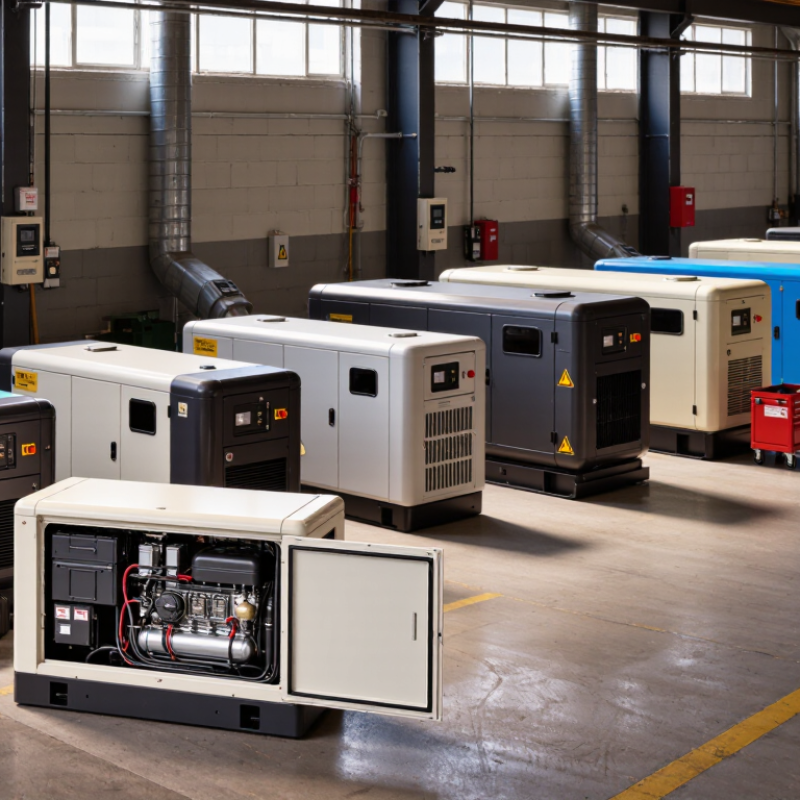
Top 10 Diesel Generator Manufacturers for Global Buyers

Understanding the Global Diesel Generator Market

Understanding the global diesel generator market requires more than comparing rated kilowatts. In mines, hospitals, ports, and data centers, buyers value uptime, fuel logistics, emissions compliance, and service coverage. MarketsandMarkets’ 2024 report estimates the market will grow from about USD 20.7 billion in 2023 to USD 27.5 billion by 2028, representing a 5.9% CAGR. This suggests steady demand, not unlimited growth.

Regional conditions shape purchasing decisions. The IEA’s Electricity 2024 report states that data centers used about 460 TWh globally in 2022. Their consumption could exceed 1,000 TWh by 2026, increasing interest in dependable backup power. However, forecasts remain imperfect. Fuel availability, grid reliability, and environmental rules can change faster than published models. A 2 MW generator may suit a coastal facility, yet fail operationally if salt air damages connections or diesel storage is poorly managed.

Tips: Check ISO 8528 ratings, not marketing labels. Calculate fuel use at realistic loads. Confirm spare-parts access before signing a contract. Ask for documented noise and emissions data. A cheaper unit can become expensive after repeated service delays. Weight local technician experience heavily; spreadsheets rarely reveal the full operating risk.

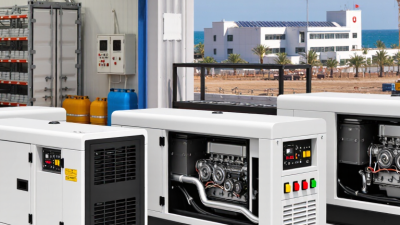
Key Factors for Evaluating Diesel Generator Manufacturers

Top 10 Diesel Generator Manufacturers for Global Buyers

Evaluating a diesel generator manufacturer requires more than comparing catalog prices. Check rated output, fuel consumption, voltage options, noise control, and engine durability. Ask for factory test reports, load-bank records, and traceable component information. Numbers can deceive. A low fuel figure may apply only under a limited load.

During supplier audits, inspect assembly areas, testing equipment, and quality records. Reliable manufacturers should explain how they control wiring, cooling systems, insulation, and vibration. Confirm whether each unit is tested before shipment. Request references from buyers with similar climates and operating hours. A generator used beside a dusty construction site needs different protection than one installed in a clean data room.

After-sales support often separates a dependable supplier from a risky purchase. Examine warranty terms, spare-parts availability, technician response times, and remote monitoring capability. Confirm that service documents are clear and written for local operators. Review compliance with the destination market’s electrical, noise, emissions, and safety requirements. Experience matters here. I have seen impressive factory presentations hide weak parts planning. That mistake is expensive. Manufacturer stability also deserves attention, including production capacity, training programs, and transparent communication during delays. A careful buyer should compare total ownership cost, not only the initial quotation, while admitting one uncomfortable fact: even a well-tested generator can underperform when installation, fuel quality, or maintenance is neglected.

Top 10 Diesel Generator Manufacturers Serving Global Buyers

Top 10 Diesel Generator Manufacturers Serving Global Buyers

Global buyers need more than a familiar name when selecting diesel generator manufacturers. They need dependable engineering, documented testing, and practical support across borders. The strongest suppliers typically provide ISO 8528 performance data, load-bank test records, emissions documentation, and spare-parts planning. These details matter when a generator must start within seconds in a hospital, factory, or remote construction site.

Demand is also shaped by rising power reliability concerns. The International Energy Agency’s Electricity 2024 report expects global data-center electricity consumption to exceed 1,000 TWh by 2026. Backup power will become more important, especially where grids remain unstable. Uptime Institute’s Global Data Center Survey 2023 reported that 60% of respondents experienced outages costing more than $100,000. That figure makes maintenance quality impossible to ignore.

A top-ten comparison should examine rated output, fuel consumption, service coverage, and controller compatibility. It should also assess performance at 25%, 50%, and 75% load, not only the headline capacity. Some suppliers appear competitive until transport, commissioning, or replacement filters are included. That is an easy mistake. Warranty language may also differ between regions, creating unexpected costs for global buyers. I would compare at least three technical quotations and request local service references before deciding. Rankings help narrow choices, but they cannot replace site-specific testing and honest risk assessment.

Top 10 Diesel Generator Manufacturers for Global Buyers - Top 10 Diesel Generator Manufacturers Serving Global Buyers

No. Buyer Evaluation Dimension Relevant Fact or Standard What Global Buyers Should Verify
1 Generator set performance ISO 8528 covers reciprocating internal combustion engine-driven alternating-current generating sets, including performance and test requirements. Ask for the applicable ISO 8528 rating, test conditions, and supporting test documentation.
2 Power rating Prime power and standby power are different operating ratings; the permitted operating profile depends on the rating definition and manufacturer’s specifications. Match the quoted rating to the expected load, operating hours, and utility-outage pattern.
3 Output frequency Generator sets are commonly configured for 50 Hz or 60 Hz operation. Frequency is linked to engine speed and alternator design. Confirm the required frequency and compatibility with the site’s electrical system and connected equipment.
4 Voltage and phase Available voltage configurations vary by alternator winding and system design; three-phase and single-phase arrangements serve different loads. Specify the required voltage, phase, neutral arrangement, and permissible voltage variation.
5 Transient performance ISO 8528 classifies performance requirements into classes G1, G2, G3, and G4; the appropriate class depends on the sensitivity of the connected loads. Check the required performance class, especially where sensitive electronics or large motor starts are involved.
6 Emissions compliance Emissions rules vary by jurisdiction, engine category, power, and application. EU Stage V and U.S. EPA regulations are examples of regional requirements. Confirm the exact engine emissions certification required for the destination country and intended use.
7 Fuel consumption Diesel fuel consumption changes with generator load, engine configuration, and operating conditions; a single consumption figure does not describe every duty point. Request fuel-consumption data at several load levels and calculate storage needs for the planned runtime.
8 Noise performance Noise readings depend on measurement distance, acoustic conditions, enclosure design, and operating load. Compare sound-pressure figures only when the measurement method, distance, and operating conditions are stated.
9 Environmental suitability Ambient temperature, altitude, humidity, dust, and ventilation can affect generator performance and cooling requirements. Check site derating, enclosure protection, cooling airflow, and any required cold- or hot-weather provisions.
10 Service and parts support Maintenance intervals and service requirements depend on the engine and generator-set design, operating hours, and duty conditions. Confirm local service availability, spare-parts lead times, maintenance schedules, warranty terms, and technical documentation.

Comparing Product Range, Service, and International Reach

Top 10 Diesel Generator Manufacturers for Global Buyers

Comparing Product Range, Service, and International Reach

When comparing the top ten diesel generator manufacturers, product range reveals more than output capacity. A dependable supplier should offer compact units for workshops, mid-sized systems for factories, and containerized sets for remote sites. Options for automatic transfer, sound reduction, and fuel monitoring also matter. In real projects, a 500 kVA generator may fit the load, yet poor access can complicate maintenance. Practical design matters.

Service quality often separates a reliable manufacturer from a convenient seller. Buyers should check commissioning support, technician training, warranty response, and spare-parts availability. Ask for realistic delivery times, not optimistic promises. A strong service network can provide filters, control modules, and sensors quickly. Remote diagnostics help, but they cannot replace a trained engineer on site. That distinction is easy to miss.

International reach includes local warehouses, regional partners, and experience with different electrical requirements. Manufacturers serving multiple markets should understand voltage, frequency, emissions rules, and documentation needs. Their installation manuals should use clear language and accurate wiring diagrams. I would also review service records from similar climates, especially dusty or humid locations. No supplier is perfect. Some offer impressive specifications but limited after-sales support. Others provide excellent technicians but fewer customization choices. Buyers should compare verified references, lifecycle costs, and response procedures before signing. A low purchase price can become expensive when a small part causes several days of downtime.

Matching a Manufacturer to Your Project Requirements

Choosing from the top 10 diesel generator manufacturers requires more than comparing rated power. MarketsandMarkets estimates the global diesel generator market will grow from about USD 20 billion in 2023 to over USD 28 billion by 2028. That growth reflects rising demand for dependable backup power. Your project still needs a narrower match.

Start with the load profile. A hospital, mine, and cold-storage warehouse require different starting performance, runtime, and control systems. Check both prime and standby ratings. Confirm performance at your site’s altitude and ambient temperature. A unit rated at sea level may deliver less power on a hot, elevated site. Small details matter.

Fuel efficiency, service coverage, and spare-parts availability should shape your shortlist. The International Energy Agency projects global data-center electricity demand could exceed 1,000 TWh by 2026, increasing pressure on resilient power systems.

Ask manufacturers for factory test records, maintenance intervals, noise data, and documented compliance with ISO 8528 or applicable local standards. Visit an operating installation when possible. A polished brochure can still mislead.

Total ownership cost often matters more than purchase price, yet buyers frequently overlook technician response times. Choose the supplier whose engineering support fits your actual risks, not the largest catalog.