2026 Best Genset Generator for Global Buyers?
Choosing a Genset Generator in 2026 is less about finding one universal winner and more about matching equipment to the job. A unit serving a cold-storage warehouse faces different demands from one supporting a remote construction site or coastal clinic. Peak load, starting current, operating hours, altitude, and ambient temperature all shape the right specification. Small details matter. A 30 kW motor starting repeatedly can challenge a set sized only for its steady running load.
This guide compares generator types and practical buying criteria for global purchasers, including power rating, engine and alternator quality, fuel use, controls, noise, maintenance access, and parts availability. It explains the difference between standby and prime power ratings, which buyers should verify against manufacturer documentation. Ask for a load assessment, test records, warranty terms, and written service coverage. Check local fuel quality, grid conditions, and applicable emissions and electrical requirements before ordering. Requirements vary by market. A sales sheet cannot settle every question.
A dependable choice is not necessarily the biggest or cheapest model. It is the set that can carry the real load, operate within its rated duty, and receive support where it will run. Compare lifecycle costs, not only the quoted purchase price; include installation, transport, scheduled servicing, and likely downtime. If possible, review a witnessed load-bank test and speak with operators in similar conditions. That feedback can be imperfect, but useful. The sections ahead offer a clear framework for shortlisting models, checking supplier claims, and avoiding costly specification gaps. No checklist replaces engineering review. Yet a careful comparison makes the decision more transparent and easier to defend.
What a Genset Generator Is and How It Produces Power
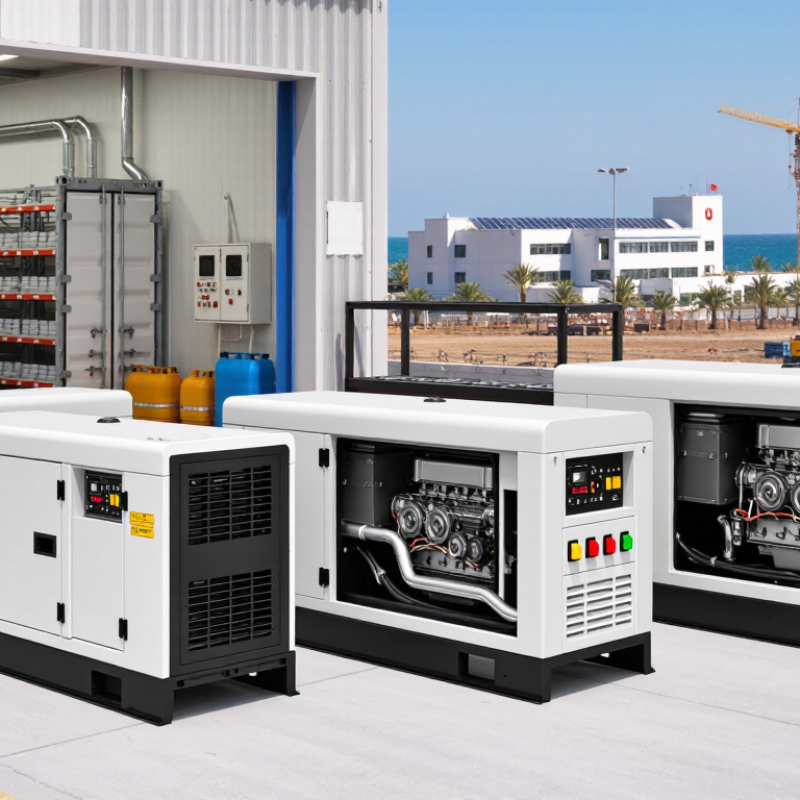
A genset generator, or generating set, combines an engine and an electrical generator in one unit. The engine burns fuel and turns a shaft; the shaft spins the alternator, which converts mechanical energy into electrical power. A genset is not just an engine with an outlet. That distinction matters when sizing equipment for a building, worksite, or backup system.
The process starts when fuel reaches the engine and combustion moves its pistons. A crankshaft transfers that motion to the alternator’s rotor. As the rotor turns inside the stator, it creates an electrical current. Controls help regulate voltage and monitor operating conditions. Cooling systems manage heat, while exhaust components direct combustion gases away from the unit. Keep the area well ventilated.
Under load, a generator must maintain suitable voltage and frequency for connected equipment. A pump starting suddenly, for example, may draw more power than it uses during normal operation. That surge is easy to overlook. Buyers should check both continuous output and starting requirements, along with fuel use, maintenance access, and operating environment. Exact performance depends on the unit’s design and condition, so published ratings deserve a careful read.
Key Factors for Choosing a Genset in 2026
2026 Best Genset Generator for Global Buyers?
Key Factors for Choosing a Genset in 2026
Choosing a genset starts with the load, not the largest number on a specification sheet. List equipment that must run together, including pumps, compressors, and lighting. Motors can draw several times their normal current at startup. Real loads matter. Ask a qualified supplier to check starting demand and distinguish prime, continuous, and standby ratings.
Fuel availability and operating conditions shape the practical choice. Compare local fuel access, expected run hours, and delivery reliability. At a hot, high-altitude site, engine output may fall; confirm any required derating with documented performance data. Check voltage, frequency, phase, and control-system compatibility before ordering. A mismatch can disrupt connected equipment.
Noise travels. Consider the distance to nearby work areas, ventilation, and safe exhaust routing when planning installation. Also verify applicable local requirements for emissions, electrical connection, and noise. Maintenance access deserves equal attention: technicians need room to reach filters, batteries, and service panels. Ask about parts availability, service intervals, and warranty terms in writing. Then test the genset under a realistic load, not just at idle. One easy-to-miss detail is future demand; modest spare capacity helps, but excessive oversizing can waste fuel. The right balance takes careful site data, and estimates are not a substitute for it.
2026 Best Genset Generator for Global Buyers? Key Factors for Choosing a Genset in 2026
Indicative diesel fuel consumption for a generic 100 kW genset at different load levels.
How to use this chart: Fuel use generally rises with electrical load, but actual consumption varies by engine, alternator, and operating conditions. Compare the manufacturer’s fuel curve at your expected continuous load, and check local voltage and frequency requirements, altitude and temperature derating, and load-starting requirements before selecting a genset. Values shown are planning estimates, not guaranteed specifications.
Generator Types, Fuel Options, and Performance Trade-Offs
Generator selection starts with the load, not the fuel label. Reciprocating-engine sets suit variable demand and frequent starts, while gas turbines generally favor larger, steadier loads. The U.S. Environmental Protection Agency’s 2017 Catalog of CHP Technologies reports electrical efficiencies of roughly 25–50% for reciprocating engines and about 20–35% for simple-cycle gas turbines. Actual results depend on size, altitude, temperature, and maintenance. Small loads matter. A unit oversized for a workshop may spend hours at inefficient partial load; a hospital backup set faces a different duty cycle.
Fuel changes the operating trade-offs. Diesel stores easily on site and can support remote locations, but requires fuel-quality checks and exhaust controls. Pipeline natural gas can reduce on-site storage needs, yet supply interruptions may remove its main advantage. The IPCC’s 2006 Guidelines give combustion factors of 74.1 kg CO₂ per gigajoule for gas/diesel oil and 56.1 for natural gas. These are fuel-input figures, not emissions per kilowatt-hour; generator efficiency and upstream methane leakage matter. Propane can be stored in tanks, but delivery access and tank capacity constrain runtime. Hybrid battery systems can handle short peaks and reduce engine cycling, though they cannot replace fuel for prolonged outages. I would not assume one fuel is always cleaner or cheaper; local prices, service access, and the real load profile can change the answer.
How to Compare Suppliers, Certifications, and Global Support
For global buyers, a genset quote is only a starting point. Compare suppliers using the same load profile, fuel, altitude, and ambient temperature. Ask for ISO 8528 performance data and a factory test report showing voltage regulation, frequency stability, and load-step response. Check whether the supplier’s quality system is independently certified, and verify that product approvals match the destination market. Requirements vary. A certificate alone does not prove the set will perform well at your site.
Independent reports show why reliable backup matters. The International Energy Agency’s Electricity 2024 report estimated that data centres used about 460 TWh of electricity in 2022, with demand potentially exceeding 1,000 TWh by 2026. Uptime Institute’s 2024 outage analysis found that 54% of surveyed operators said their most recent significant outage cost more than $100,000. These figures do not describe every genset application, but they underline the value of tested equipment and dependable support.
The International Energy Agency’s Electricity 2024 report estimated that data centres used about 460 TWh of electricity in 2022, with demand potentially exceeding 1,000 TWh by 2026.
Uptime Institute’s 2024 outage analysis found that 54% of surveyed operators said their most recent significant outage cost more than $100,000.
These figures do not describe every genset application, but they underline the value of tested equipment and dependable support.
Look beyond the purchase price. Request a clear parts list, warranty terms, commissioning scope, and written service response times. Ask where critical components are stocked and who can troubleshoot the controller in your time zone. A video call is useful; a technician with the right parts is better. Confirm that manuals include wiring diagrams and maintenance intervals. Then check references from projects with similar climates and duty cycles. Small gaps in support can become long delays.
Matching Genset Capacity to Applications and Operating Costs
2026 Best Genset Generator for Global Buyers?
Matching Genset Capacity to Applications and Operating Costs
Size a genset around measured loads, not the building’s total nameplate capacity. A clinic may need lighting, vaccine refrigeration, and one water pump; a workshop may add motors with high starting surges. Record running kW, starting kVA, power factor, and which loads can be switched off. Then model the largest realistic combination. Have a qualified engineer check transient response and derating for heat and altitude. Small details matter.
Fuel can outweigh the purchase price over years of standby service. The U.S. Energy Information Administration’s 2024 on-highway diesel price series averaged about $3.76 per gallon, a useful benchmark, not a global fuel quote. Bulk prices, delivery, taxes, and exchange rates vary. Estimate annual fuel cost using the genset’s fuel use at expected load, operating hours, and delivered fuel price. For example, an extra 1 L per hour adds 500 L over 500 annual operating hours. Include scheduled servicing, batteries, coolant, and periodic testing. A tidy spreadsheet still cannot predict every outage or changing workload.
Tips: Request fuel-consumption figures at 25%, 50%, 75%, and 100% load. Compare them with your actual load profile, not a single headline figure. Ask for service intervals and parts availability at the installation site. The cheapest option may not stay cheapest.