10 Essential Tips for Choosing the Right Multi Fuel Generator for Your Needs
When selecting the right Multi Fuel Generator, several considerations are crucial to ensure it fits your needs. A Multi Fuel Generator offers the flexibility to run on different types of fuel, making it a versatile choice for various applications. This adaptability can enhance convenience and efficiency, especially in emergencies or power outages.
Understanding your specific requirements is key. Consider your power needs, the runtime you expect, and the kinds of fuel available in your area. It's important to note that not all generators are created equal. Some models may not perform reliably or may require more maintenance. Evaluating the brand's reputation can also provide insights into reliability and customer satisfaction.
As you explore options, reflect on potential challenges. You might face installation issues or fuel compatibility concerns. Assessing these factors will empower you to make an informed decision. Trustworthy advice and thorough research can lead to a more satisfactory choice. Choosing a Multi Fuel Generator is an investment; therefore, the right choice will pay off in the long run.
Understanding Your Power Needs for a Multi Fuel Generator
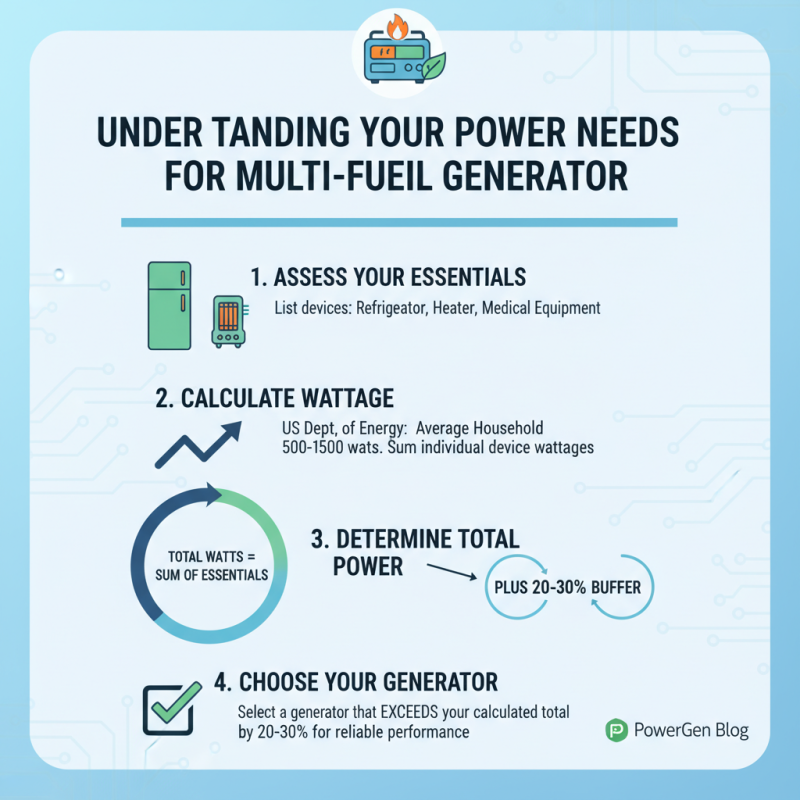
When selecting a multi fuel generator, understanding your power requirements is crucial. According to the U.S. Department of Energy, average household energy use varies from 500 to 1,500 watts. Begin by listing essential devices like refrigerators, heaters, or medical equipment. Evaluate their wattage to define your total power needs. A generator should meet at least 20-30% above your calculated requirements to ensure reliable performance.
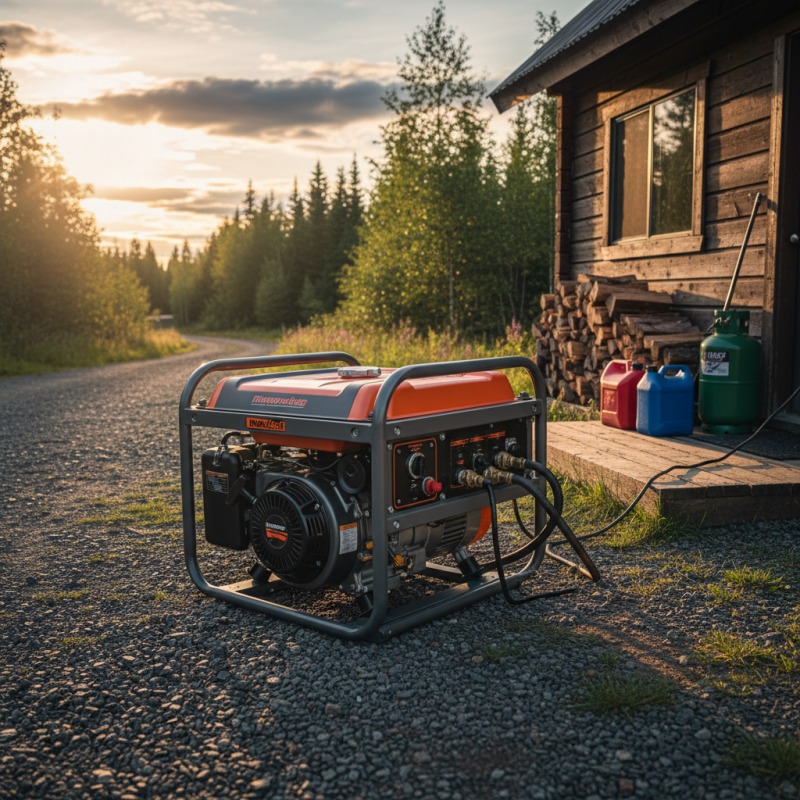
The choice of fuel type also impacts your generator's effectiveness. Multi fuel generators can run on gasoline, propane, or natural gas, allowing flexibility. For instance, propane can provide longer shelf life and cleaner emissions compared to gasoline. Data from the Environmental Protection Agency highlights that generators using propane reduce pollutant emissions by up to 60%. This aspect is especially relevant for those seeking environmentally friendly options.
Consider the intended use: standby power during outages, recreational needs, or emergency situations. Each scenario demands specific features. However, be wary of portability versus power output. A highly portable generator may not deliver adequate power for all needs. Reflecting on these nuances can guide you toward a sound investment in a multi fuel generator tailored to your lifestyle.
Types of Fuels: Comparing Gasoline, Propane, and Diesel Options
When selecting the right multi fuel generator, understanding the different fuel options is crucial.
Gasoline, propane, and diesel each have unique characteristics.
Gasoline is widely available and easy to use.
However, it can be volatile and has a shorter shelf life. Propane, on the other hand, burns cleaner and has a longer storage life.
It's efficient for both home and recreational use. Diesel generators often offer greater fuel economy,
making them ideal for long-term power needs.
Consider your intended use when choosing fuel type. If you need a portable option, gasoline might suit you.
For backup power in areas with long outages, propane or diesel could be more reliable.
Diesel generators may require more maintenance but are robust for heavy-duty applications.
Reflecting on your specific requirements can help you make the right choice, as each fuel type has its trade-offs.
It's essential to think about availability and infrastructure. In some regions, propane might not be readily accessible.
Similarly, gasoline prices can fluctuate significantly. Diesel can be cost-effective but may require larger investments upfront.
Wading through these considerations is part of the process. Ultimately, knowing your priorities will lead you to the best generator for your needs.
Key Features to Look for in a Multi Fuel Generator
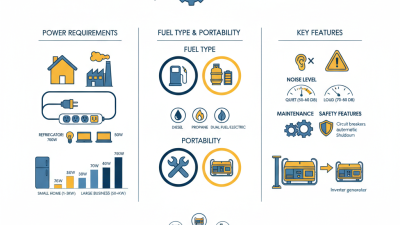
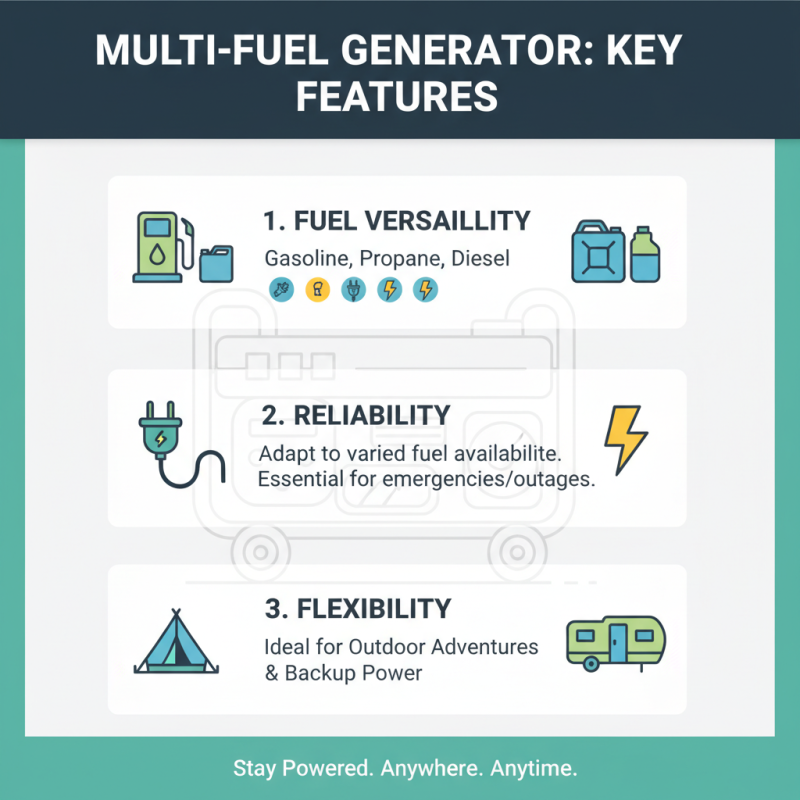
When selecting a multi fuel generator, consider its fuel versatility. The ability to run on gasoline, propane, or diesel provides flexibility. Fuel availability can vary, especially in emergencies. A generator that accommodates different fuels ensures you won’t be stranded without power. This versatility is key for outdoor activities or backup during outages.
Another important feature is the generator's power output. Consider the wattage your appliances require. A generator should provide enough power for essential devices without being overkill. Look for models with features like inverter technology, which offers cleaner power for sensitive electronics. A user-friendly interface is also essential, making it easy to monitor performance.
Durability matters too. A robust generator can withstand outdoor conditions. Check the build quality and components. It’s wise to read reviews about long-term reliability. However, not every high-rated model might meet your specific needs. Take time to weigh the options, seeking balance between price and features. It’s a process of reflection, optimizing choices for efficiency and effectiveness in every use case.
Safety Considerations When Operating Multi Fuel Generators
Operating multi-fuel generators comes with important safety considerations. A report by the National Fire Protection Association (NFPA) indicates that improper generator use leads to over 2,000 fires annually. Awareness of these risks is crucial before using any generator. Always maintain a safe distance from flammable materials while the generator is in operation.
Carbon monoxide (CO) poisoning is another significant concern. The Centers for Disease Control and Prevention (CDC) highlights that CO can accumulate in enclosed spaces, leading to severe health risks. It’s essential to operate generators outdoors and away from building entrances to diminish the risk of CO exposure. While some users believe they can use generators indoors with slight ventilation, this is dangerous.
Regular maintenance is also a key factor. Neglecting it can create mechanical failures, increasing the risk of accidents. It's vital to inspect fuel lines, connections, and exhaust systems regularly. Many users overlook these details, leading to potential hazards. Investing time in understanding the operational intricacies of a multi-fuel generator enhances both performance and safety.
10 Essential Tips for Choosing the Right Multi Fuel Generator for Your Needs - Safety Considerations When Operating Multi Fuel Generators
| Tip Number |
Tip |
Safety Consideration |
| 1 |
Determine Your Power Requirements |
Avoid overloading the generator |
| 2 |
Choose the Right Fuel Type |
Ensure proper ventilation for fuel choice |
| 3 |
Check for Portability |
Lift safely to avoid injury |
| 4 |
Look for Noise Levels |
Use ear protection if necessary |
| 5 |
Evaluate Runtime and Efficiency |
Monitor fuel levels to prevent emergencies |
| 6 |
Consider Surge Capacity |
Understand startup requirements for devices |
| 7 |
Research Manufacturer Reputation |
Prioritize trusted brands for safety |
| 8 |
Check for Warranty and Support |
Know your rights and support options |
| 9 |
Review Additional Features |
Use features that enhance safe operation |
| 10 |
Follow Operating Instructions |
Always read and adhere to the manual |
Maintenance Tips for Prolonging the Life of Your Generator
Maintaining your multi-fuel generator is crucial for longevity and performance. Regular maintenance ensures your generator runs efficiently. Start by checking the oil level frequently. If it's low, change it to avoid engine damage. Keep an eye on air filters. Clogged filters can hinder performance and lead to bigger issues.
Fuel quality plays a significant role in your generator's health. Use fresh, high-quality fuel to prevent problems. Old or contaminated fuel can cause engine stalls. Additionally, running your generator regularly can keep the engine lubricated and help you identify any unusual sounds early.
Don’t ignore the importance of cleaning. Dust and dirt can accumulate, reducing efficiency. Wipe down the exterior and check for corrosion. Finally, always consult the user manual for specific maintenance schedules. Adhering to these steps may feel repetitive, but they are essential for reliable operation. A little effort goes a long way in prolonging your generator’s life.
Fuel Type Efficiency Comparison for Multi Fuel Generators