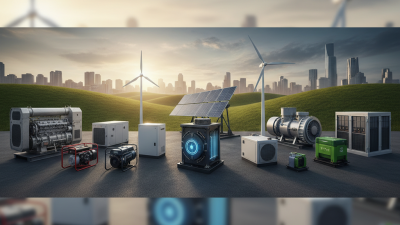


Choosing among Small Generators is less about chasing the biggest number and more about matching a machine to real needs. A quiet unit beside a camper may suit weekend trips. A heavier model could make more sense for powering essential home equipment during an outage. There is no perfect pick. The right choice depends on what you plan to run, where you will use it, and how much weight you can manage.
RV electrical educator Mike Sokol offers a useful perspective on safe, practical power planning. The following line is an editorial paraphrase, not a verbatim quotation: “Choose for the actual load, safe connections, and intended use—not headline watts.” That rule helps buyers look past glossy labels. Check both running and starting wattage; a refrigerator or pump may need extra power when starting. Compare runtime at a stated load, not just the largest advertised figure. Then consider noise, fuel access, portability, maintenance, and available service.
Small details matter. Imagine lifting a generator from a car trunk, setting it on firm ground, and checking its controls in the rain. A few pounds can feel significant. So can a hard-to-read fuel gauge. Inverter models may be a good fit for sensitive electronics, but features and performance vary. Read the manual and confirm the manufacturer’s specifications before buying. Never operate a generator indoors or in an enclosed space; follow its safety instructions and keep exhaust away from people and openings. Even careful shoppers can overlook one awkward trade-off. This guide compares the factors that matter, so you can make a grounded choice rather than rely on a single “best” label.
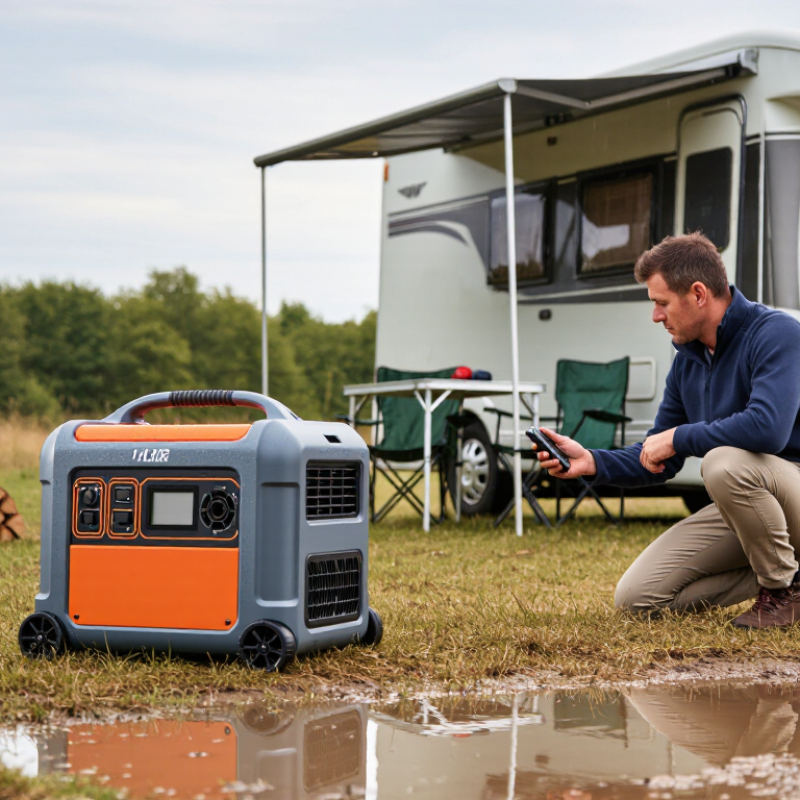
A small generator is a compact power source designed to run a limited number of devices. “Small” is not a strict technical category; output, fuel type, and weight vary. Some models can power a refrigerator and a few lights, while lighter units may suit phones, lamps, or a laptop. Check the rated and starting wattage of each appliance before choosing. Motors often need extra power when they start. That detail is easy to miss.
People use small generators during outages, at campsites, or on work sites without reliable electricity. A unit can keep essential equipment running, but it may not support an entire home. Consider how long you need power, how often you can refuel, and whether the noise will disturb others. Inverter models can provide steadier power for sensitive electronics, though suitability depends on the device and generator specifications. My own rule would be to leave some capacity unused; plans change, and estimates are not always perfect.
Tips: Operate fuel-powered generators outdoors, well away from doors, windows, and vents. Never run one indoors or in an attached garage. Keep it dry, follow the manual, and use properly rated cords. A carbon monoxide alarm adds protection, but it does not make indoor operation safe.
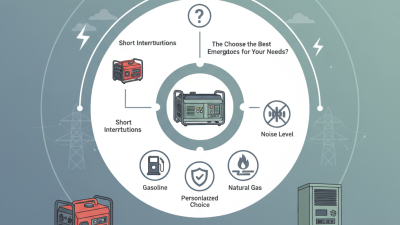
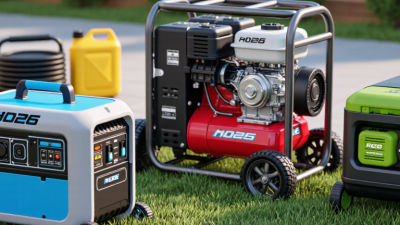
What types of small generators are available? The main choices are inverter, conventional portable, battery-powered, and dual-fuel models. Inverter generators produce stable electricity and often adjust engine speed to match demand. That can reduce noise and fuel use during lighter loads. They suit camping, small electronics, and modest backup needs. Still, their output may be limited when several appliances start together. Check both running watts and starting watts; a refrigerator can briefly draw more power when its compressor kicks in.
Conventional portable generators usually offer higher output for their size, but tend to be louder and less fuel-efficient. They can make sense for tools or essential home circuits, provided the model’s capacity fits the load. Battery generators store electricity and run quietly with no exhaust at the point of use. Some recharge from wall outlets or compatible solar panels, though cloudy weather can slow charging. Dual-fuel units can run on gasoline or propane, giving owners another fuel option. Quiet, but not effortless. Fuel storage, runtime, ventilation, and safe outdoor placement still matter. I would compare real-world runtime at a stated load, not just the largest number on the product label. Short tests at home can reveal an awkward truth: the “small” unit may still be too heavy to move easily.
| Generator type | Typical continuous output | Typical runtime or operating time | Noise and portability | Best suited for | Key considerations |
|---|---|---|---|---|---|
| Gasoline inverter generator | About 1–4 kW | Often around 4–10 hours per tank at a moderate load; varies by tank size and model. | Typically quieter than conventional portable units; compact models are often easy to carry. | Camping, tailgating, and powering small electronics or selected household essentials. | Usually costs more than a comparable conventional generator. Check continuous output, not just starting or peak watts. |
| Conventional gasoline portable generator | About 2–10 kW | Often around 6–12 hours per tank at a moderate load; actual runtime depends on the model and load. | Generally louder and heavier than small inverter units; larger models may have wheels. | Home backup for selected appliances, tools, and other higher-wattage loads. | Often offers more output for the price, but may be less suitable where quiet operation is important. |
| Dual-fuel portable generator | About 2–10 kW, depending on fuel and model | Runtime varies substantially by fuel, cylinder or tank size, and electrical load. | Noise and portability depend on the engine and design; many are comparable to conventional portable units. | Users who want the option of gasoline or propane during outages or fuel shortages. | Output can differ between fuels. Confirm the rating for each fuel, and store and handle fuel safely. |
| Portable battery power station | Commonly about 0.5–3 kW; some models provide more | Measured in battery capacity and load rather than tank runtime; many can be recharged from wall power, a vehicle, or compatible solar panels. | Quiet during operation and generally portable, though higher-capacity models can be heavy. | Indoor-compatible backup for phones, laptops, lights, and other loads within its rated capacity. | It stores electricity rather than generating it from fuel. Check battery capacity, continuous output, surge rating, and recharge time. |
| Compact standby generator | Often about 7–15 kW for smaller residential units | Can run as long as fuel is available and maintenance requirements are met; it is not limited by a portable tank in the same way as many portable units. | Stationary and professionally installed; typically enclosed, but still produces operating noise. | Automatic backup for a home or essential circuits during extended outages. | Higher purchase and installation costs. A qualified professional should size and connect the system. |
| Buying tip: Add up the running watts of the devices you plan to power, then account for the higher starting watts required by equipment with motors. Ratings, runtime, and noise vary by model and operating conditions. Operate fuel-burning generators outdoors, well away from doors, windows, and vents; never run one inside a home, garage, or other enclosed space. | |||||
The best small generator depends on the load, runtime, and setting—not peak wattage alone. Compare continuous output with starting output: a refrigerator or pump may briefly draw more power when its motor starts. Make a list of essential devices, then check their running and surge requirements against the generator’s rated capacity. Leave some headroom. A close match can feel frustrating.
Inverter generators generally suit sensitive electronics and quiet, lighter-duty use, while conventional portable units can offer more output for their size. Battery power stations avoid exhaust and engine noise, but their stored energy limits runtime; check both watt-hours and output watts. The U.S. Energy Information Administration reported an average 5.5 hours of electricity interruptions per customer in 2022, including major events. That figure is a useful planning reference, not a promise about any particular outage. Fuel availability, load, and maintenance can change actual runtime considerably.
Safety belongs in the comparison, too. The U.S. Consumer Product Safety Commission estimated an average of about 85 carbon-monoxide deaths annually involving portable generators during 2017–2019. Never run a fuel-burning generator indoors or near open windows; follow its manual and keep it outdoors, well away from the home. A quieter machine may be more comfortable, but it is not automatically safer. Check the emissions, weather protection, outlet types, and independent test results before buying.
Choose capacity by adding the running watts of the devices you truly need, then check the highest starting-watt demand. A refrigerator may draw extra power when its compressor starts. Leave some headroom; a generator running near its limit can be frustrating. Check the manual’s figures, not just a large number on the product label. For phones, laptops, or other sensitive electronics, look for an inverter model and its stated electrical output quality. Quiet operation matters, too, but compare decibel ratings measured at the same distance.
Fuel type, runtime, and portability shape everyday usefulness. Compare runtime at a stated load, such as 25% or 50%; “up to” figures can mislead. Check the tank size, handle, wheel layout, and actual weight before imagining it beside your tent or shed. Safety deserves equal attention. The U.S. Consumer Product Safety Commission’s Portable Generator-Related Carbon Monoxide Deaths report estimated an average of 85 deaths per year from 2017 to 2019. That is sobering. A carbon-monoxide shutoff feature is valuable, but it does not replace outdoor use, far from doors and windows. I would also check warranty terms and service access. Easy to overlook. The cheapest model may not feel like a bargain after repeated refueling or difficult maintenance.
To match a small generator to your needs, list the appliances you must run during an outage. Note each item’s running watts and starting watts; motors in refrigerators, pumps, and portable air conditioners may need a brief surge. Add the running watts for items used together, then account for the largest startup surge.
The U.S. Energy Information Administration reported average residential electricity use of about 10,791 kWh per household in 2022. That annual average offers context, not a generator size: peak demand varies greatly between homes.
A practical essentials list might include a refrigerator, a few LED lights, a router, and a sump pump. Check appliance labels or manuals rather than relying on rough online estimates. Compare the calculated load with the generator’s rated output, not only its advertised peak output. Leave some capacity for unexpected loads. A paper estimate can still miss real-life habits; people often add one more appliance.
Tips: Test the arithmetic with your actual devices, and avoid running everything at once. Keep a written load list near the generator. For safety, operate it outdoors, well away from doors and windows, and follow the manufacturer’s instructions.