Top 10 Electric Power Generator Types You Should Know About?
Electric Power Generators are crucial to modern society. They play a vital role in providing energy for residential, commercial, and industrial needs. According to the International Energy Agency, global electricity demand is projected to increase by 30% by 2040. This surge will elevate the importance of diverse generator technologies.
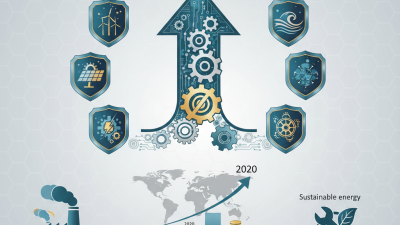
There's a significant shift in how we generate electricity. Renewable sources like solar and wind are gaining traction. In fact, renewable energy generation could reach over 50% by 2030, as reported by the U.S. Energy Information Administration. However, traditional generators still hold their ground, proving necessary during peak demands and outages.
Understanding different types of Electric Power Generators is essential. Each type has unique features and applications. While some excel in efficiency, others may lack reliability. Consumers need to critically evaluate their options. This includes weighing the pros and cons of each generator type. In a rapidly changing energy landscape, informed choices are crucial for sustainability and reliability.
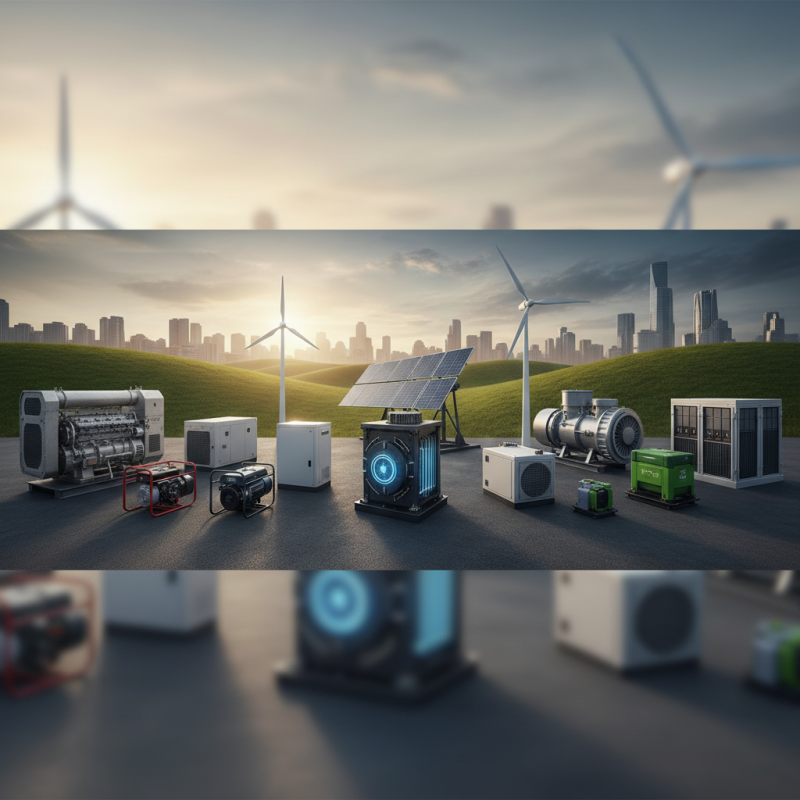
Types of Electric Power Generators: An Overview
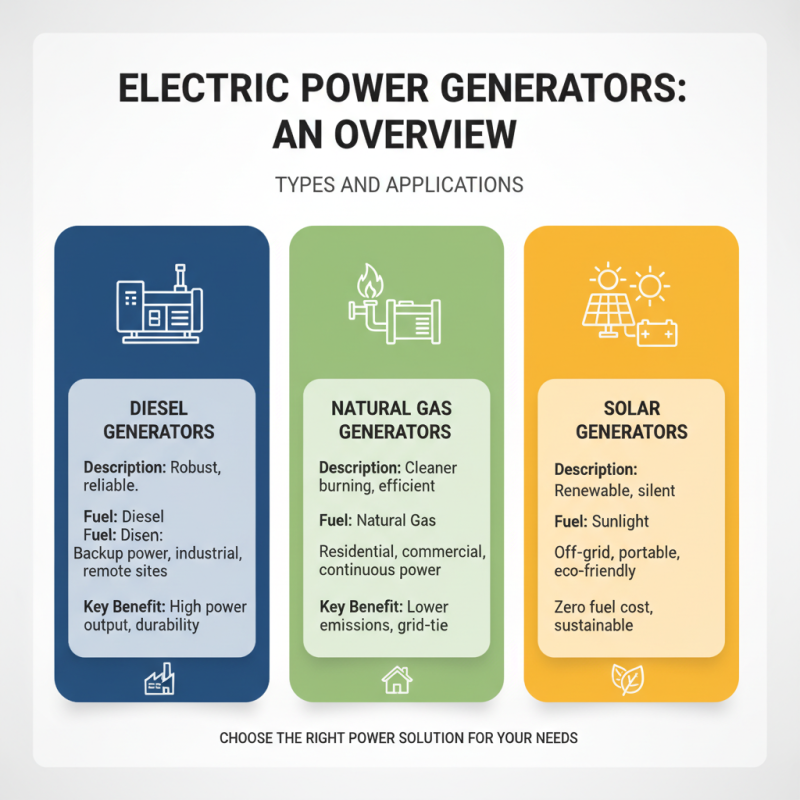
Electric power generators come in various types, each suited for different applications and environments. Understanding these types can help make informed decisions. Some common generators include diesel, natural gas, and solar. Diesel generators are robust, widely used for backup power. Natural gas generators are cleaner and often more efficient. Solar generators harness sunlight, offering a renewable energy option.
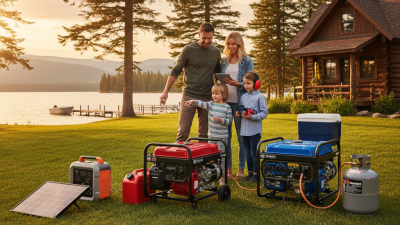
Another category includes wind and hydroelectric generators. Wind generators convert wind energy into electricity, while hydroelectric systems utilize water flow. These options significantly reduce carbon footprints. Additionally, portable generators serve temporary needs, ideal for camping or small events.
Despite these advancements, challenges remain. For instance, inconsistent energy sources like solar and wind can create supply issues. The initial cost of installation for renewable generators can be high.
Future innovations may address these concerns, improving efficiency and reliability. Exploring these types provides valuable insights into the evolving landscape of electric power generation.
Understanding Fossil Fuel Power Generators: Mechanics and Usage
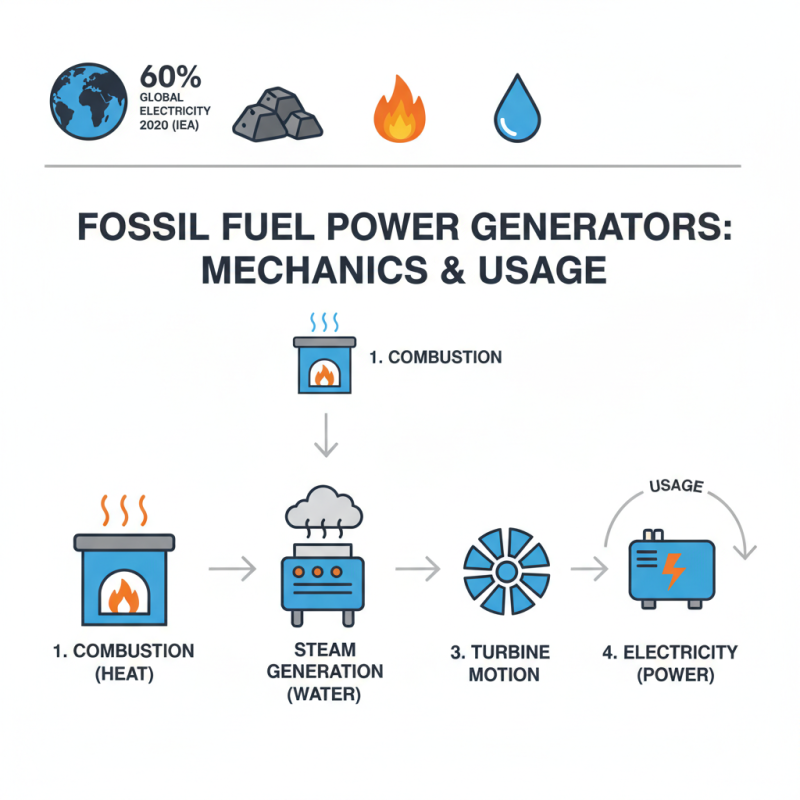
Fossil fuel power generators play a significant role in global energy production. According to the International Energy Agency, they accounted for approximately 60% of total electricity generation in 2020. This statistic underlines their relevance in today's energy landscape. These generators use coal, natural gas, or oil to produce electricity. The mechanics of these systems are grounded in combustion. Fuel is burned to create heat, which then transforms water into steam. This steam turns turbines, generating electricity.
However, the reliance on fossil fuels raises environmental concerns. Emissions from these power generators contribute significantly to air pollution. A report by the U.S. Environmental Protection Agency highlights that coal-fired plants emit over 500 million tons of CO2 annually. This prompts a need for reflection on sustainability and alternative energy sources. Transitioning to renewable energy could mitigate these emissions, yet the infrastructure for fossil fuel energy remains strong.
Despite their efficiency, fossil fuel generators face criticism for their environmental impact. Many experts advocate for a balanced energy mix. Transitioning to cleaner technologies remains a challenge. Ongoing research aims to enhance the efficiency of these systems while reducing their carbon footprint. This complex interplay of technology and sustainability warrants deeper discussions on future energy strategies.
Exploring Renewable Energy Generators: Solar, Wind, and Beyond
Exploring renewable energy generators has never been more important. Solar and wind energy are at the forefront of the clean energy movement. According to the International Energy Agency, solar capacity grew by over 20% in 2022, showing a robust demand for this sustainable resource. Similarly, wind energy generation reached a record 743 gigawatts globally, contributing to energy diversification.
Solar panels harness sunlight to produce electricity. They have become more affordable, with costs dropping by 89% since 2010. This makes solar power increasingly accessible to households and businesses. Wind turbines, on the other hand, convert kinetic energy from the wind into electric power. The sector has seen advancements in turbine design, improving efficiency even in low-wind conditions.
Tip: When considering solar panels, examine efficiency ratings and warranties. A higher efficiency means more energy produced from the same sunlight quantity. For wind energy, location is crucial. Wind maps can help identify the best potential sites for turbines. Always remember, each generator type has its own pros and cons. Regular reflection on their performance can lead to better energy choices.
The Functionality of Nuclear Power Generators
Nuclear power generators play a crucial role in the global energy landscape. They provide a significant source of low-carbon electricity. In 2022, nuclear power accounted for about 10% of the world’s electricity production, according to the International Atomic Energy Agency (IAEA). This figure highlights the importance of this technology in addressing climate change and energy needs.
The functionality of nuclear generators stems from nuclear fission, a process that releases energy by splitting atomic nuclei. This energy heats water, creating steam that drives turbines for electricity generation. An average nuclear plant can produce around 1,000 megawatts, enough to power nearly one million homes. However, safety concerns persist. Accidents at plants, like Chernobyl and Fukushima, raised questions about their reliability.
While nuclear energy is efficient, it faces challenges. The disposal of radioactive waste remains a significant issue. Countries struggle with long-term storage solutions. An ongoing debate centers around the balance between energy needs and environmental safety. Regulatory frameworks need to adapt to new technologies and societal expectations. Increasing public awareness and scrutiny can lead to improvements in safety and trust in nuclear power.
Emerging Technologies in Electric Power Generation: Trends and Innovations
Electric power generation is undergoing rapid transformation. Emerging technologies are shaping how we harness energy. For instance, advancements in solar photovoltaic systems enhance their efficiency. These systems now convert sunlight into electricity more effectively than ever before. Moreover, energy storage technology is evolving. Better batteries are making renewable energy sources more reliable. This is critical for maintaining a stable power supply.
Another notable trend is the integration of artificial intelligence. AI can optimize energy management. It helps in predicting energy demand and improving grid operations. Smart grids are becoming a reality. They use real-time data to enhance energy distribution. This process reduces waste, increasing overall efficiency.
However, challenges remain. Transitioning to new technologies requires substantial investment. There’s also a need for regulatory support. Policymakers must adapt to these innovations. As the electric power landscape evolves, stakeholders will need to be flexible. Continuous adaptation and learning will be essential for success in this ever-changing field.
Top 10 Electric Power Generator Types You Should Know About
| Generator Type |
Fuel Source |
Efficiency (%) |
Applications |
Key Advantages |
| Solar Panel Generator |
Solar Energy |
15-20 |
Residential, Commercial |
Renewable, Low maintenance |
| Wind Turbine Generator |
Wind Energy |
35-45 |
Utility Scale, Offshore |
Sustainable, High power output |
| Natural Gas Generator |
Natural Gas |
40-60 |
Peaking Power, Backup |
Low emissions, High efficiency |
| Hydroelectric Generator |
Water Flow |
35-45 |
Utility Scale, Irrigation |
Renewable, Reliable |
| Biomass Generator |
Biomass Materials |
20-30 |
Waste Management, Energy Production |
Waste reduction, Carbon neutral |
| Geothermal Generator |
Geothermal Heat |
10-20 |
Residential, District Heating |
Constant supply, Low emissions |
| Nuclear Power Generator |
Uranium |
33-37 |
Utility Scale |
High output, Low land use |
| Diesel Generator |
Diesel Fuel |
30-40 |
Backup Power, Remote Locations |
Robust, Easy to deploy |
| Fuel Cell Generator |
Hydrogen |
40-60 |
Transportation, Stationary Power |
Zero emissions, High efficiency |
| Thermal Power Generator |
Fossil Fuels |
30-50 |
Utility Scale |
Established technology, Flexible output |