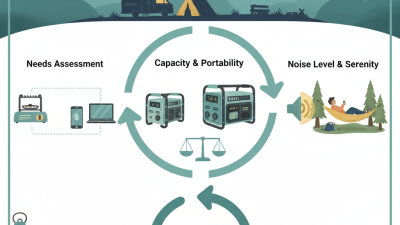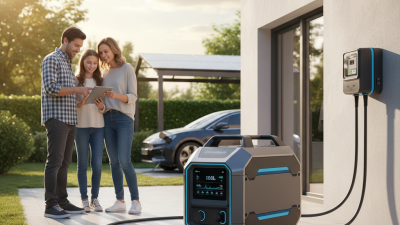


Choosing the right portable generator can be a daunting task. With numerous brands and models on the market, making an informed decision is crucial. A portable generator supplies power during outages and outdoor activities. Understanding your needs will help you find the best fit.
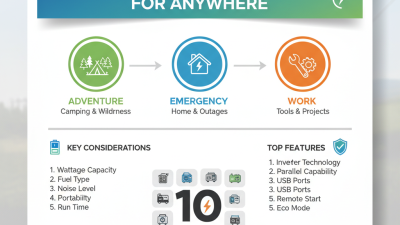
When selecting a portable generator, consider your power requirements. How much wattage do you need? This varies based on your devices and appliances. Additionally, think about fuel type. Gasoline, propane, and solar generators each have pros and cons. These factors can significantly affect your experience.
It's also important to evaluate portability and noise level. Some generators are heavier and louder than others. These details can impact your comfort and convenience. Don't rush into a purchase. Take the time to research and weigh your options. The right generator can provide reliable power for years.
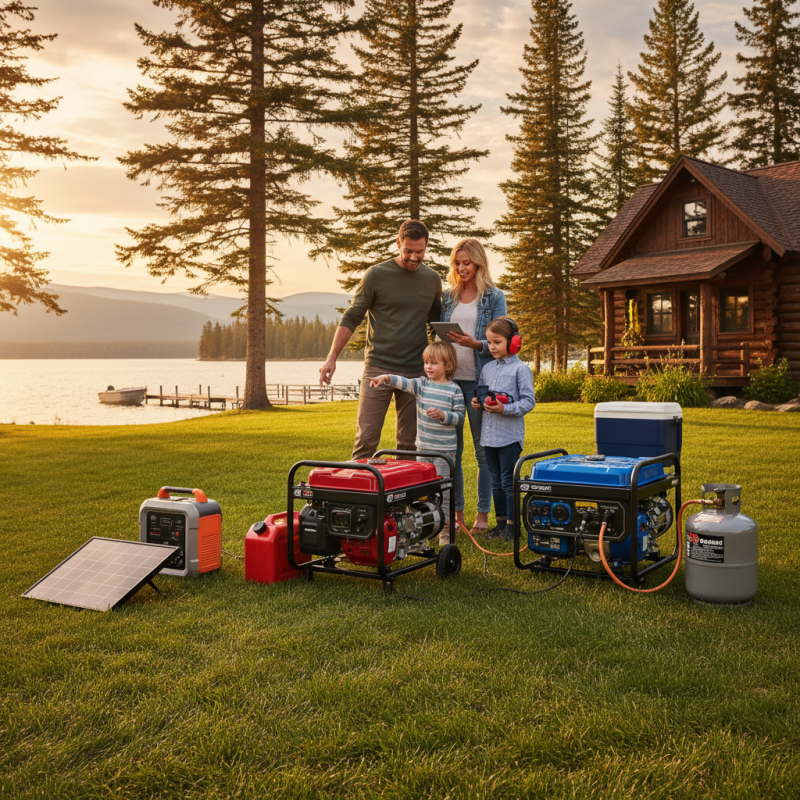
When considering a portable generator, it’s essential to assess your power needs. Start by listing the devices and appliances you plan to run. Make sure you know their wattage requirements. This helps determine the generator size you need. For instance, a refrigerator typically requires 600 to 800 watts. Adding up these figures gives you a clearer picture of the total wattage required.
Tips: Calculate starting and running wattage for each appliance. Don’t forget about surge power needed for motors. Always allow for a buffer; it’s better to have extra capacity than to underprepare.
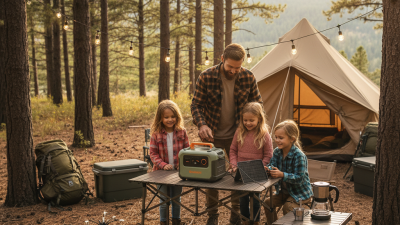
Also, think about how you will use the generator. Will it be for camping, emergency backup, or construction work? Each use case has different power needs. Plan for possible additional devices. Your needs may change over time.
Tips: Assess ease of transport and fuel type. If you plan to move it often, weight matters. Noise levels are crucial, too. Too much noise could disturb neighbors or wildlife. Take time to reflect on your priorities. Making a hasty decision can lead to dissatisfaction later.
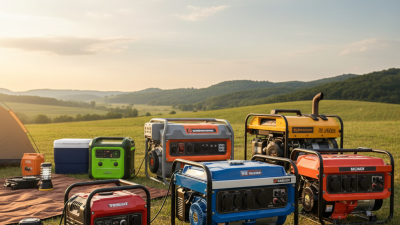
When choosing a portable generator, understanding the different types available can greatly impact your decision. There are primarily three categories:
inverter generators,
conventional generators, and
heavy-duty generators.
Inverter generators are known for their efficiency and quiet operation. They provide clean power, suitable for sensitive electronics. This makes them ideal for camping or tailgating.
Conventional generators are typically more affordable and offer higher power output. They excel in providing a steady power supply during emergencies.
However, they tend to be noisier and less fuel-efficient.
Heavy-duty models focus on extended usage scenarios. They often power tools and large appliances. Their weight and bulkiness might not suit everyone.
While evaluating these options, consider your specific needs. Reflect on the wattage required for your appliances. Not all types will fit your lifestyle. A common mistake is choosing based solely on power output. Portability matters too.
Ensure that your chosen model fits comfortably within your space constraints.
Balancing power needs and portability is crucial.
When selecting a portable generator, consider its wattage output. It’s crucial to match the generator’s capacity to your specific needs. Identify your essential appliances and their watt requirements. A generator with too low wattage won’t support your devices. Conversely, an oversize generator may waste fuel and resources.
Portability is another key aspect. Check the generator's weight and design. Compact designs often allow easier transport. Look for features like wheels or handles for added convenience. Noise level is also important. Some generators operate quietly, which is beneficial in residential areas or during camping trips.
Fuel type is a deciding factor. Options typically include gasoline, propane, or dual-fuel systems. Each has pros and cons in terms of efficiency and availability. Additionally, safety features deserve attention. Look for automatic shut-off mechanisms to prevent overloads. Understanding these features can guide you toward a generator that fits your lifestyle and needs effectively.
| Feature | Description | Importance | Examples |
|---|---|---|---|
| Power Output | Measured in watts, indicates how much power the generator can provide. | Essential for determining if it can run your appliances. | 2000W, 3500W, 5000W |
| Fuel Type | Common types include gasoline, propane, and diesel. | Affects availability, storage, and runtime. | Gasoline, Propane, Dual Fuel |
| Run Time | How long the generator can operate on a full tank of fuel. | Important for long-term power needs. | 8 hours, 12 hours, 24 hours |
| Portability | Weight and design that affect ease of transportation. | Crucial for camping or emergency use. | Wheeled, compact, lightweight designs |
| Noise Level | Measured in dB, indicates how loud the generator is. | Important for residential areas or during camping. | Quiet (<60 dB), Medium (60-70 dB), Loud (>70 dB) |
| Starting Method | Includes manual recoil start or electric start options. | Convenience can vary based on user's preference. | Manual, Electric Start |
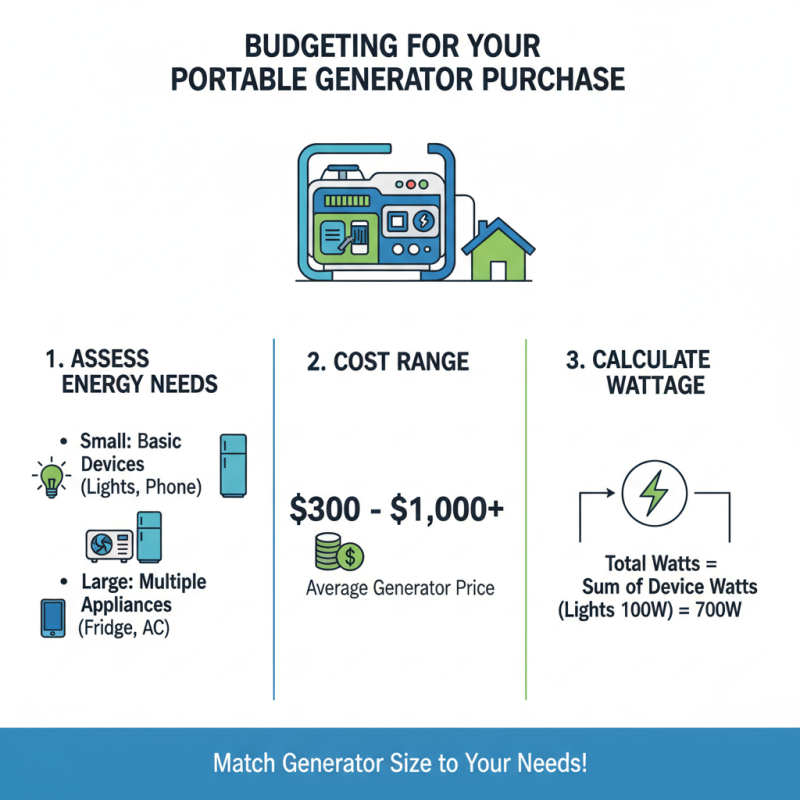
When budgeting for a portable generator, consider your specific energy needs. The average generator costs between $300 and $1,000. Calculate wattage requirements for the devices you plan to power. A small generator may suffice for basic needs, while larger models handle more demanding equipment.
Research shows that approximately 60% of consumers do not account for fuel costs. Fuel expenses can add up, impacting your overall budget. Factors such as gasoline prices and fuel efficiency should influence your choice. A generator with a higher fuel efficiency can save you money in the long run.
Additionally, consider maintenance costs. Routine upkeep can average $50-$100 annually. Investing in a model with a robust warranty can mitigate unexpected repair expenses. Reflect on your budget and future needs. It’s essential to find a balance between affordability and quality. This process often reveals gaps in understanding what is truly necessary for your lifestyle.
When using a portable generator, safety and maintenance are critical. A report by the Consumer Product Safety Commission highlighted that over 70% of carbon monoxide-related deaths in the U.S. are linked to improper generator use. Placing the generator in confined spaces can be deadly. Always ensure it is used outdoors, far away from windows and doors. Understanding these risks is vital for protecting yourself and your loved ones.
Regular maintenance should not be overlooked. According to the Portable Generator Manufacturer’s Association, following the recommended maintenance schedule can extend a generator's life by up to 25%. Check the oil level and change it periodically. Clean or replace air filters to ensure optimal performance. Additionally, running the generator for a short period monthly helps keep the engine in good condition.
Many users feel confident after a few uses. However, neglecting maintenance can lead to significant problems. Always keep lubricants and filters on hand. Inspect the fuel system for leaks or cracks. The absence of thorough checks may result in costly repairs. Emphasizing diligence in maintenance can lead to a safer, more efficient generator experience.