

Choosing the right Portable Generator in 2026 is not simply about buying the highest wattage.
A quiet inverter model may suit a campsite, while a larger conventional unit may keep a refrigerator, sump pump, and lights running during an outage. The details matter. Fuel type matters. So does starting power.
Paul Hope, a senior home editor at Consumer Reports, has offered a practical warning: “A portable generator can be a lifesaver during a power outage, but it can also be dangerous if not used properly.” That reminder should guide every comparison.
Safety comes before convenience.
This guide examines the 2026 top portable generators through real-use concerns, including startup behavior, noise beside a bedroom window, fuel storage, runtime, outlet design, and maintenance access. We also consider whether the advertised wattage matches ordinary household needs. A generator that looks powerful on paper may struggle with a refrigerator’s starting surge.
No single model wins every test.
My first instinct may favor maximum output, but that choice can overlook weight, noise, and fuel costs. A compact unit might be more useful for short emergencies. A dual-fuel model may offer welcome flexibility, yet it adds controls and maintenance points.
Expect trade-offs. Even the best Portable Generator requires safe outdoor placement, proper grounding guidance, and responsible operation. Never use one inside a home, garage, basement, or enclosed porch. Read the manual carefully, and consult a qualified electrician before connecting equipment to household wiring.
The best purchase is not always the biggest one. It is the model that fits your appliances, space, budget, and realistic emergency plan.
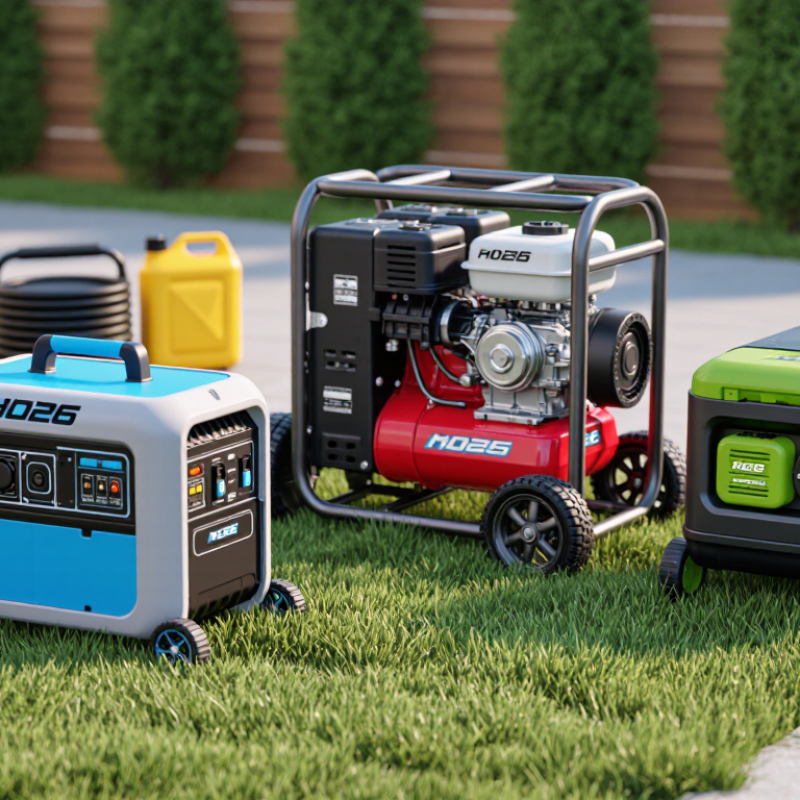
A portable generator is a compact machine that produces electricity away from the utility grid. Its engine burns fuel, turning a shaft connected to an alternator. The alternator converts mechanical motion into electrical current. Some models add an inverter, which changes the current twice for cleaner, steadier power. That matters for sensitive electronics, including laptops and medical devices.
The U.S. Energy Information Administration reported nearly eight hours of average power interruptions for American customers in 2023, including major events. This explains the generator’s practical value during storms, outages, and remote work. A basic unit can run lights, a refrigerator, or a sump pump. However, its rated watts and starting watts are different. A refrigerator may need several times more power when its compressor starts. I have seen people add appliance wattages without checking startup demand. That simple mistake can overload the generator.
Placement is more important than convenience. The U.S. Consumer Product Safety Commission advises operating portable generators outdoors, at least 20 feet from buildings, with exhaust directed away from windows and doors. Carbon monoxide is invisible and odorless. Never connect a generator directly to household wiring without a properly installed transfer switch. That shortcut can injure utility workers and damage equipment. Fuel storage also needs care, because vapors ignite easily. Read the manual, test the unit under load, and accept one uncomfortable fact: advertised runtime often drops when the generator works hard.
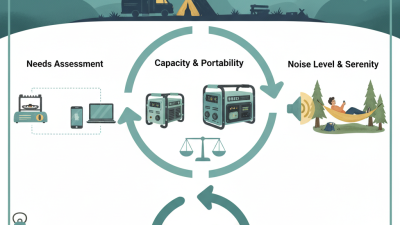
In 2026, the best portable generator is not simply the loudest or most powerful model. Focus on features that match your real needs. A pure sine-wave inverter can protect sensitive electronics, such as laptops, medical devices, and modern refrigerators. Check continuous wattage, not only the starting wattage shown in advertisements. A freezer may start quietly, then demand much more power for a few seconds. That detail is easy to miss.
Tips: List your essential appliances before shopping. Add their running watts, then allow extra capacity for starting surges. Look for carbon monoxide shutoff protection, overload protection, and a clear fuel gauge. Electric start is convenient, but a manual recoil system may remain useful during a dead battery. Test the generator outdoors before an emergency. It is less exciting than watching a video, but far more practical.
Noise matters more than many buyers expect. A quieter unit feels safer near a campsite or home window, though every generator still needs proper outdoor placement. Consider runtime at half load, fuel availability, weather resistance, outlet types, and maintenance access. Some newer models offer remote monitoring, but an app cannot repair a clogged filter. I once chose extra power over easier handling and regretted the heavy lift. Portability includes the wheels, handle, storage space, and your own strength. No feature is perfect.
2026 Top Portable Generator: Which One Should You Buy?
Choosing a portable generator starts with the job, not the advertised wattage. A small model may run lights, a refrigerator, and a router, but not all three during startup. Check each appliance’s running watts and starting watts. Add the running totals, then allow extra capacity for motor surges. I usually keep a 20% margin because real household loads rarely stay constant.
Generator type also changes the experience. Conventional generators often provide strong output at a lower purchase price, but they can be louder and less efficient at light loads. Inverter generators usually produce cleaner power for sensitive electronics and adjust engine speed more smoothly. That means quieter evenings and lower fuel use. However, their smaller frames may limit heavy tools. No design wins everywhere.
Fuel choice deserves practical attention. Gasoline is widely available, yet it can degrade during storage and may be difficult to obtain after severe weather. Propane stores longer and burns cleaner, but cold temperatures can reduce performance. Dual-fuel models add flexibility, though the controls and fuel connections require careful inspection. I once underestimated cable length and placed a generator too close to a wall, which was a poor setup. Test the unit outdoors, inspect cords for damage, and follow the manual’s ventilation rules. A generator that starts easily in a driveway may behave differently under a real refrigerator load.
| Generator Type | Typical Rated Output | Typical Maximum Output | Typical Noise Level | Best Use Cases | Main Advantages | Limitations | Fuel Options | Key Buying Consideration |
|---|---|---|---|---|---|---|---|---|
| Conventional Open-Frame Generator | 2,000–8,000 watts | 2,500–10,000 watts | 68–78 dB(A) at approximately 7 meters | Construction work, emergency home backup, large tools, pumps, and outdoor events | High output for the price; simple design; suitable for demanding motor-driven equipment | Louder, heavier, and usually less fuel-efficient at low loads than inverter models | Usually gasoline; some models support propane or dual-fuel operation | Choose a model with enough running watts for continuous loads and sufficient starting watts for motors |
| Inverter Generator | 1,000–4,500 watts | 1,200–5,500 watts | 48–62 dB(A) at approximately 7 meters | Camping, tailgating, sensitive electronics, recreational vehicles, and quiet residential backup | Quieter operation; cleaner and more stable power; better fuel economy at partial loads; many models can be paralleled | Usually costs more per watt; maximum output is commonly lower than open-frame designs | Gasoline, propane, or dual-fuel depending on configuration | Look for a true sine-wave output and verify the parallel-kit compatibility if more power may be needed later |
| Dual-Fuel Portable Generator | 2,000–7,000 watts | 2,500–8,500 watts | 58–76 dB(A), depending on the engine and frame design | Home emergency backup and situations where fuel availability may change | Offers gasoline convenience and propane storage flexibility; improves fuel-source resilience | Propane generally produces less power than gasoline; fuel switching requires correct operating procedures | Gasoline and propane | Compare the rated and maximum wattage separately for each fuel because propane output is often lower |
| Tri-Fuel Portable Generator | 3,000–8,000 watts | 3,500–10,000 watts | 65–78 dB(A), depending on design | Extended outages, rural properties, and homes with access to natural gas | Can use gasoline, propane, or natural gas; provides more fuel flexibility during prolonged outages | Natural gas commonly provides the lowest output; installation and fuel connections require careful planning | Gasoline, propane, and natural gas | Confirm the natural-gas connection requirements and compare output ratings for all three fuels |
| Diesel Portable Generator | 3,000–10,000 watts | 3,500–12,000 watts | 70–82 dB(A), unless enclosed or sound-insulated | Frequent heavy-duty use, job sites, agricultural equipment, and long-duration backup | Strong low-speed torque; durable engines; diesel fuel has high energy content and is suitable for extended operation | Heavier, louder, and typically more expensive; cold-weather starting may require additional preparation | Diesel | Consider maintenance intervals, fuel storage, transport weight, and local emissions requirements |
| Battery-Powered Portable Power Station | 300–3,000 watts continuous output | 600–6,000 watts surge output | Near-silent during operation | Indoor emergency use, electronics, medical equipment with adequate capacity, and short-duration power needs | No exhaust fumes; very quiet; low routine maintenance; can be recharged from wall power, solar panels, or a vehicle | Limited runtime at high loads; recharge time can be significant; battery capacity declines over time | Stored electricity; recharge options may include AC, solar, or vehicle input | Compare watt-hours, continuous watts, surge watts, recharge time, battery chemistry, and usable capacity |
Choosing the best portable generator depends on where it will work.
For home backup, calculate starting watts for refrigerators, pumps, and heating equipment. The U.S. Energy Information Administration reports that space heating and cooling remain major household electricity loads. A 3,000-watt unit may support essential circuits, but not an entire home. Test the setup before a storm, not during one.
Travel changes the priority. A lighter inverter generator usually suits camping, outdoor cooking, and sensitive electronics. Look for quiet operation, stable power, and a runtime that covers your planned hours.
At a worksite, durability matters more. Choose enough output for saws, compressors, and chargers, then keep spare fuel management practical. The U.S. Department of Energy advises operating generators outdoors, far from doors and windows, with proper ventilation.
Safety is not optional.
The U.S. Consumer Product Safety Commission estimates that carbon monoxide poisoning causes more than 400 deaths annually in the United States across all sources. Portable generators are a serious contributor. Install battery-powered carbon monoxide alarms near sleeping areas, and never use a generator inside a garage or shed.
A common mistake is buying for peak wattage alone. My own preference is slightly larger capacity, because overloaded equipment becomes hot, noisy, and frustrating. Still, bigger is not always better. Weight, fuel storage, sound, maintenance, and local weather should shape the final choice. Check the manual carefully. That small step is easy to skip.
In 2026, choosing a portable generator means matching power needs with safe daily habits. A larger unit is not automatically better. I calculate running watts, starting watts, fuel use, and available outlets before buying. Noise matters, especially near bedrooms or neighboring homes. Read the manual carefully, even if the controls look familiar. Choose a model with overload protection and a tested carbon-monoxide shutdown feature.
Use the generator outdoors, on a dry, level surface, far from doors, windows, and vents. Keep it away from walls and never operate it inside a home, garage, basement, or tent. Carbon monoxide is invisible and can become dangerous before anyone notices symptoms. Connect appliances directly with heavy-duty outdoor cords, or use a professionally installed transfer switch. Never connect a generator to a wall outlet. Start with lighter loads, then add equipment gradually. Refuel only after shutting down and allowing the engine to cool. Fuel can ignite on hot surfaces. That mistake is costly.
After each use, inspect cords, plugs, fuel lines, and the frame for damage. Follow the service schedule for oil changes, air-filter cleaning, and spark-plug checks. Drain or stabilize fuel before long storage, according to the manual. Store fuel legally in approved containers, away from heat and living areas. I once underestimated startup demand from a refrigerator and overloaded a small unit. The breaker worked, but the interruption was avoidable. I now record appliance wattage and test the generator under controlled conditions before an emergency.
Representative power requirements for common household appliances. Use these figures to estimate generator capacity before buying.
The chart shows typical running watts and approximate startup watts. Actual requirements vary by model, age, temperature, and operating conditions. Choose a generator with enough continuous capacity for all devices running at the same time, plus adequate surge capacity for motor-driven appliances. Operate portable generators outdoors at least 20 feet (6 meters) from buildings, away from doors and windows, and use carbon-monoxide alarms. Never connect a generator directly to household wiring without a properly installed transfer switch.