How to Choose the Best Small Generators for Your Needs?
When it comes to selecting the best small generators, expertise matters. John Smith, a well-known figure in the power solutions industry, once stated, "Choosing the right small generator is about understanding your own needs first." This perspective is crucial, as the variety of small generators available can be overwhelming. Each model serves different purposes, from camping trips to emergency home use.
Small generators have become essential for many households and outdoor enthusiasts. Power outages and outdoor activities often require an efficient backup solution. However, not all small generators are created equal. Factors like power output, fuel type, and portability play a significant role in making the right choice.
Engaging with industry reviews and personal experiences can shed light on the most reliable options. It is essential to gather insights on performance and durability. Each user may have unique requirements, making it vital to reflect on what you need from a small generator. Trustworthiness in recommendations from experts and users can enhance your decision-making process.
Understanding Your Power Needs for Small Generators
Understanding your power needs is crucial when selecting a small generator. According to industry reports, the average household requires between 3,000 to 5,000 watts for essential appliances. Knowing this range helps in determining the right generator size.
Consider the devices you need to power. For instance, a refrigerator typically uses 600 watts, while a heater can require 1,500 watts. Larger appliances will increase your total wattage needs, possibly up to 7,500 watts. It's wise to list your critical devices and their power requirements. Many users underestimate this; they often overlook items like sump pumps or chargers.
Moreover, it's worth mentioning the importance of running wattage versus starting wattage. Some appliances draw more power when they start up. For example, a motor may require three times the running wattage at startup. This can create an unexpected spike in demand. Monitoring these details reveals whether a generator can handle the load. Ultimately, detailed planning can save frustration during power outages or outdoor events.
Types of Small Generators: Portable vs. Standby
When selecting a small generator, it's crucial to understand the two main types:
portable
and
standby.
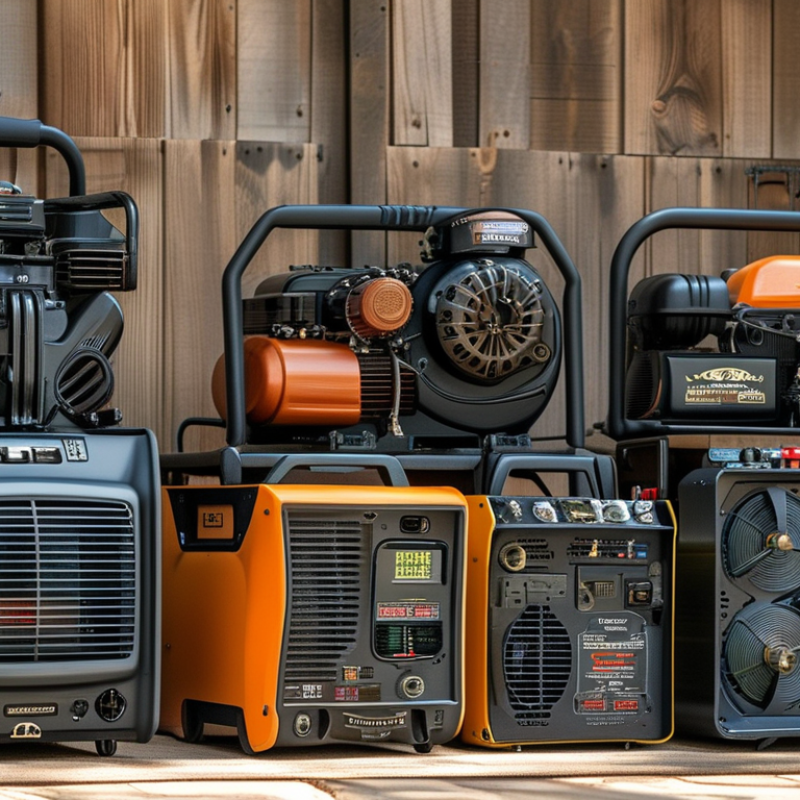
Portable generators are versatile and can be easily moved to different locations. They are ideal for camping, outdoor events, and temporary power outages. Their lightweight design allows for quick setup. However, they often require manual starting and may not power entire homes.
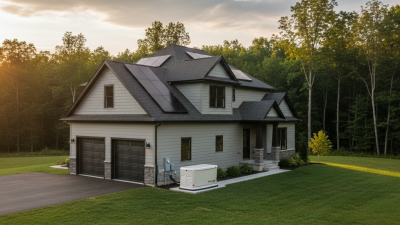
Standby generators, on the other hand, are permanently installed. They automatically turn on during a power outage, which offers convenience. They provide more power and can support essential home appliances, making them a reliable choice for long-term outages. However, they come with a higher upfront cost and require professional installation.
Choosing between these options can be challenging. Consider your specific needs. If you only need occasional power, a
portable generator
may suffice. For consistent, reliable backup power, a
standby generator
is the better option. Reflect on how often you face outages and the importance of power continuity in your daily life.
Key Features to Consider When Selecting a Small Generator
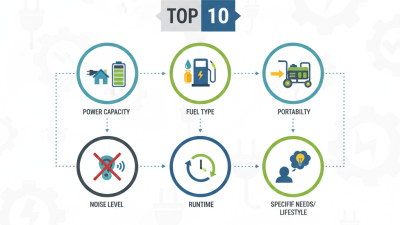
When selecting a small generator, key features play a vital role. Power output is paramount. Most small generators range between 1,000 to 4,000 watts. This range is often suitable for home essentials during outages. Industry reports suggest that about 30% of generator users underestimate their power needs. Choosing the right wattage prevents overloading and ensures reliable performance.
Portability is another critical aspect. Many small generators weigh between 40 to 100 pounds. A generator that's easy to transport can be utilized in various situations, such as camping or tailgating. Moreover, noise level is essential. Generators can produce noise levels from 50 to 70 decibels. A quieter model is ideal for residential areas.
Fuel type also matters. Gasoline, propane, and dual-fuel options each have pros and cons. Gasoline generators are common but can pose storage issues. Propane options are cleaner but may not provide the same power output. A dual-fuel generator often offers flexibility, appealing to many users. Balancing these factors can be challenging, but taking the time to assess your specific needs leads to better choices.
Evaluating Fuel Options: Gas, Propane, and Diesel Generators
When choosing a small generator, fuel options are crucial. Gas generators are popular for their availability and ease of use. They start quickly and are great for short-term power needs. However, gas can be less reliable during long outages. It also has a shorter shelf life, which may pose a problem in emergencies.
Propane generators offer a cleaner alternative. They burn more efficiently and produce fewer emissions. Propane can be stored for long periods without losing effectiveness. On the downside, finding a reliable propane supply can be challenging during crises. The equipment for propane is often more specialized, which may require additional investment.
Diesel generators are known for their durability. They often have more power and fuel efficiency, making them suitable for heavy-duty use. Yet, diesel fuel can gel in cold weather and requires special handling. The noise level can also be an issue in some environments. Evaluating your power needs and fuel availability is vital for making the right decision.
How to Choose the Best Small Generators for Your Needs? - Evaluating Fuel Options
| Fuel Type |
Power Output (W) |
Runtime (hours) |
Weight (lbs) |
Noise Level (dB) |
| Gas |
3000 |
7 |
50 |
58 |
| Propane |
2500 |
10 |
45 |
62 |
| Diesel |
4500 |
8 |
75 |
72 |
| Gas |
3500 |
8 |
53 |
60 |
| Propane |
2800 |
9 |
47 |
64 |
Assessing Noise Levels and Portability in Generator Selection
When selecting a small generator, noise levels and portability are crucial. A review from the National Institute of Standards and Technology (NIST) indicates that noise levels can range widely, from 50 dB to over 75 dB. Generators exceeding 70 dB may be disruptive in residential areas. For portable options, a lightweight model around 40 pounds may be ideal. This balance makes it easier to transport for camping or emergency use.
Many users underestimate the importance of generator operation noise. A quieter model, typically 60 dB or lower, offers a better experience. Consider how often and where you will use the generator. If it's for camping, opt for one that is both compact and has low noise output. Pay attention to features like inverter technology, which can help reduce noise levels.
Tips: Check local regulations regarding generator noise. Prioritize lighter models that can fit in your vehicle easily. Always test the generator if possible, to gauge both noise and ease of handling. Remember, while low noise is important, high portability often leads to more frequent usage, directly impacting your satisfaction.