What is a Small Power Generator and How Does it Work?
Small Power Generators are essential devices in today's energy landscape. They provide reliable electricity for homes and businesses, especially during outages. Industry reports indicate that the global market for small power generators is projected to reach $10 billion by 2026. This growth reflects the increasing demand for portable and efficient energy solutions.
These generators typically range from 1 kW to 10 kW, making them suitable for various applications. They can power essential appliances, tools, and equipment in remote locations. With advancements in technology, modern small power generators are increasingly fuel-efficient and silent. However, users must consider the potential environmental impact and maintenance challenges. Balancing performance with sustainability is crucial for responsible usage.
Despite their advantages, some small power generators may not provide adequate power during peak demands. Users often overlook power management, leading to frustrating experiences. It is vital to understand the specific needs before purchasing a generator. Exploring trusted sources can help in making informed decisions about your power solution.
Definition and Overview of Small Power Generators
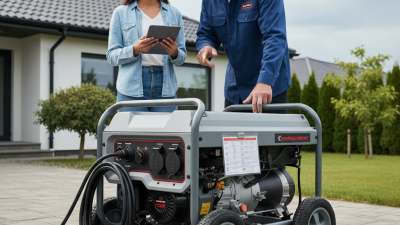
Small power generators are devices used to provide electricity in situations where conventional power sources are unavailable. These generators are typically compact and can be easily transported, making them ideal for camping, emergencies, and remote work sites. They convert mechanical energy into electrical energy using various fuel sources, such as gasoline, diesel, or propane. This conversion process is accomplished through an internal combustion engine or a renewable energy source like solar panels.
The effectiveness of small power generators relies on their design and functionality. Most models feature an alternator, which generates electricity when the engine runs. This power can be useful for charging devices or running small appliances. However, many users overlook critical factors such as runtime and maintenance needs. Some generators may not run for extended periods without refueling, and regular upkeep is necessary to ensure consistent performance.
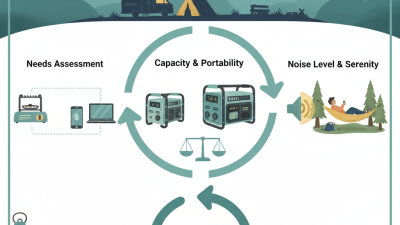
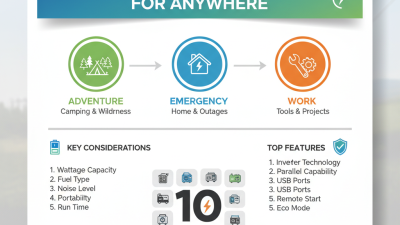
In choosing a small power generator, it’s important to consider factors like wattage and efficiency. Observing specifications allows users to determine if the generator meets their energy requirements. Beginners often find themselves confused by technical terms or power needs. Awareness of these elements can enhance user experience and safety. Understanding a generator's strengths and limitations can lead to better decisions and optimal usage.
What is a Small Power Generator and How Does it Work? - Definition and Overview of Small Power Generators
| Type of Generator |
Power Output (kW) |
Fuel Type |
Typical Uses |
Efficiency (%) |
| Portable Generator |
1-10 |
Gasoline |
Camping, outdoor events |
20-30 |
| Inverter Generator |
1-6 |
Gasoline |
Sensitive electronics, home backup |
40-60 |
| Diesel Generator |
5-15 |
Diesel |
Construction sites, emergency power |
30-50 |
| Solar Generator |
1-3 |
Solar |
Eco-friendly, off-grid use |
50-70 |
Types of Small Power Generators Available in the Market
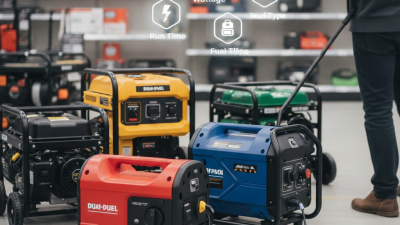
Small power generators are essential tools for various applications. They provide backup power during outages and support outdoor activities like camping. Several types of small power generators exist in the market today. Understanding these types can help consumers make informed decisions.
Inverter generators are popular for their portability and fuel efficiency. They produce clean energy, suitable for sensitive electronics. According to the 2022 Power Generation Report, inverter generators account for over 30% of the small generator market. They operate quietly, making them ideal for residential use and outdoor activities.
Another common type is gas-powered generators. They tend to be more affordable and offer higher power outputs. A study by the Energy Information Administration indicates that about 50% of small generator users prefer gas models. However, gas generators can be noisy and emit exhaust fumes, which may be a concern. As the demand for sustainable options rises, solar generators are gaining traction. They utilize solar panels to harness renewable energy. Despite their higher initial costs, they offer long-term savings and environmental benefits.
Navigating the variety of options requires careful consideration. Each type has unique benefits and drawbacks. As new technologies emerge, users should stay informed about market trends and evolving specifications.
Types of Small Power Generators and Their Power Output
Key Components and Their Functions in Power Generation
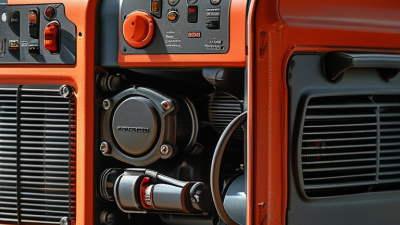
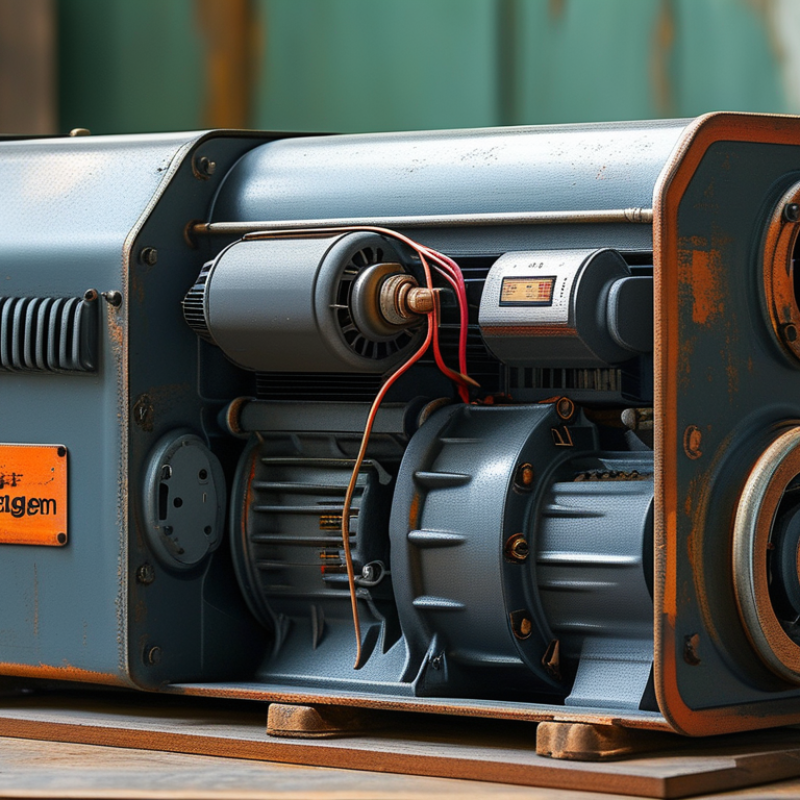
When discussing small power generators, it's essential to understand their crucial components and their roles. The core elements include the engine, alternator, fuel system, and control panel. The engine provides mechanical energy. It converts fuel into motion. For example, gasoline generators are prevalent due to their high energy density. According to the U.S. Energy Information Administration, around 25% of American households reported using portable generators in 2021.
The alternator is another key component. It transforms the mechanical energy from the engine into electrical energy. This process is vital for the generator to function effectively. The quality of the alternator can significantly impact efficiency. A report from the International Energy Agency highlights that efficient design can improve energy output by up to 15%. However, not all generators have high-quality alternators, which sometimes leads to energy losses.
The fuel system stores and supplies fuel to the engine. Fuel type affects generator performance and emissions. For example, diesel generators are often favored for their longevity and fuel efficiency, yet they emit more pollutants. The control panel serves as the brain of the generator. It monitors output and ensures safe operation. Poor monitoring can lead to overload, causing damage. Understanding these components clarifies how small generators work and their limitations.
Principles of Operation: How Small Power Generators Work
Small power generators are critical in various applications. They convert mechanical energy into electrical energy through different methods. The most common types include rotary engines, solar panels, and fuel cells. Each of these technologies has unique operational principles. For instance, rotary generators rely on electromagnetic induction, where a conductor moves through a magnetic field to produce electricity.
Recent industry reports indicate that small generators can be highly efficient. A study from the International Energy Agency (IEA) noted that small-scale renewable generators are expected to increase by approximately 15% annually, driven by rising demand for sustainable energy solutions. However, efficiency can vary based on design and usage. Internal combustion engines in small generators can emit significant pollutants, raising environmental concerns.
Operational challenges also exist. Fuel cells, while clean, can face issues like high initial costs and limited availability of suitable materials. Conversely, solar panels may underperform in cloudy weather. Ultimately, understanding these complexities can help users make informed decisions when selecting a small power generator.
Applications and Benefits of Using Small Power Generators
Small power generators are versatile tools used in various settings. Their applications range from providing electricity at outdoor events to serving as backup power sources during outages. According to a report by the International Energy Agency, small generators provided essential power to over 60 million people globally in 2021. This underlines their critical role, particularly in remote areas.
The benefits of using small power generators are numerous. They are portable, easy to use, and can efficiently power multiple devices. For instance, they can supply energy for tools on construction sites, or keep essential appliances running during emergencies. A recent survey indicated that 85% of users find them reliable in times of need. However, issues like noise pollution and fuel dependency can hinder their effectiveness. This calls for a balanced discussion on sustainable practices.
Despite their advantages, small power generators are not without flaws. Fuel inefficiency and maintenance issues can lead to increased operational costs. Additionally, the environmental impact of fossil fuel-powered generators raises concerns. Exploring alternative energy sources for these generators would be crucial. Continuous innovation in this field could lead to more sustainable and efficient solutions.