How to Choose the Best Small Power Generator for Your Needs?
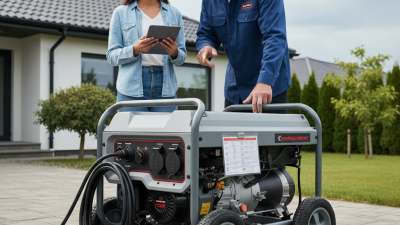
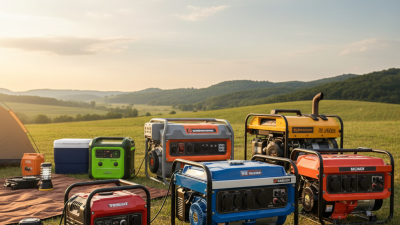
When looking for a Small Power Generator, it's essential to understand your specific needs. Many people underestimate the importance of choosing the right generator. A generator can provide power during outages, support outdoor activities, or even serve as a backup for essential appliances.
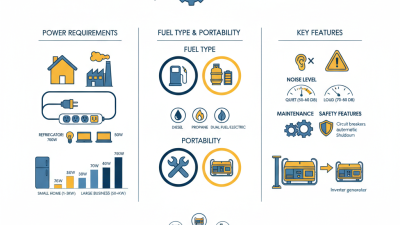
Understanding wattage is crucial. It determines how much power your devices require. Many options are available, but not all will suit your lifestyle. Consider factors like portability, run time, and fuel type. Some generators are lightweight and easy to transport, while others offer longer run times for extended use.
However, the decision-making process can be overwhelming. You might face conflicting information on efficiency and performance. People often overlook maintenance needs as well. You need to ensure your generator is ready when you need it. Making an informed choice involves research and reflection to find the best Small Power Generator that aligns with your unique demands.
Types of Small Power Generators Available on the Market
When considering small power generators, understanding the types available is crucial. Generally, there are three main categories:
portable, inverter, and standby generators.
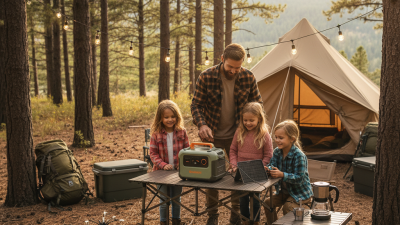
Portable generators are popular for their mobility. They are ideal for camping trips or outdoor events. Their lightweight design makes them easy to transport. However, they may lack the power capacity needed for larger appliances.
Inverter generators are known for their efficiency and quiet operation. They adjust power output based on demand, which means they consume less fuel. This feature is beneficial for sensitive electronics. But, some users find their initial cost higher than conventional models.
Standby generators, on the other hand, are stationary solutions. They provide automatic backup power during outages. Installation can be complex and requires professional assistance.
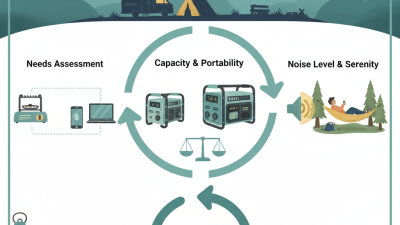
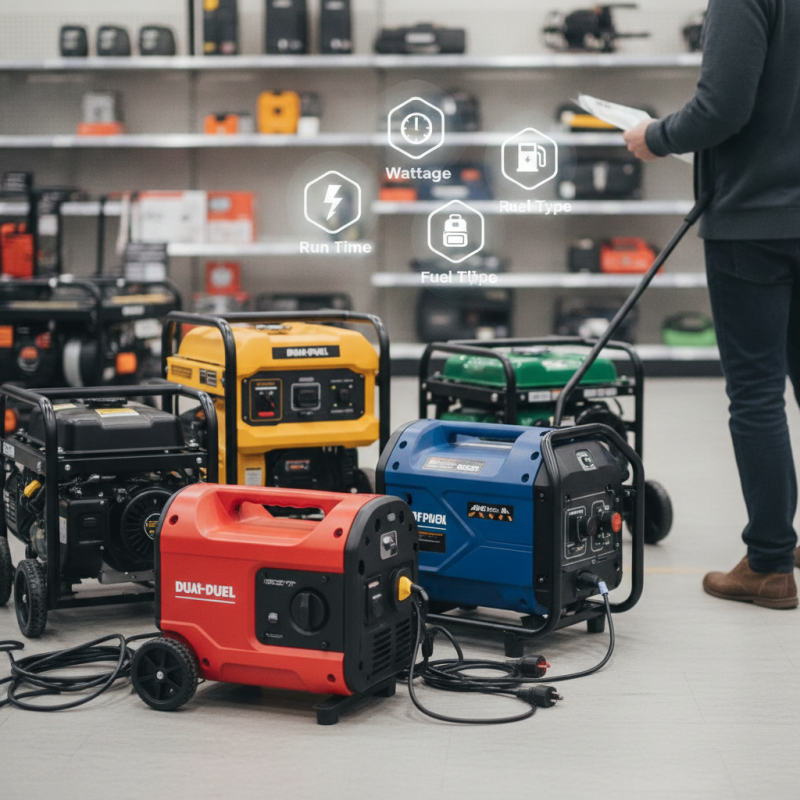
Each generator type has notable pros and cons. Make sure to evaluate your specific needs. Consider factors like wattage, noise levels, and portability. Additionally, reflect on how often you'll use the generator. Choosing the right type can improve your experience and ensure reliability when you need it most.
Key Factors to Consider When Choosing a Power Generator
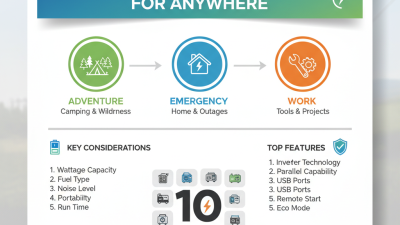
Choosing the right small power generator involves several key factors to ensure it meets your needs. Consider the generator's wattage capacity. It must provide enough power for your devices. Calculate the total wattage required for appliances you intend to use. Factor in both running and starting wattage for items like refrigerators or power tools. This initial step is crucial for avoiding disappointment later.
Portability is another important aspect. If you plan to move the generator often, look for models that are lightweight and come with wheels. Assess the fuel efficiency and type as well. Gasoline generators are common but may require frequent refueling. In contrast, propane generators can run longer on less fuel. It’s not just about convenience; efficiency can save you money in the long run.
Noise level can be a deciding factor, especially in residential areas or campgrounds. Look for models specifically designed for quieter operation. While you might prefer a cheaper generator, the noise can be disruptive. Often, people overlook this aspect, only to regret it later. Balancing these various factors will lead you to a generator that is both effective and suitable for your lifestyle.
Assessing Your Power Needs: Calculating Wattage Requirements
Assessing your power needs is essential when choosing a small power generator. Start by identifying what devices you want to power. List them out. Calculate the wattage for each device you plan to use simultaneously. This will give you a clear picture of your requirements. Common items might include lights, refrigerators, and electronic devices. Each has a different wattage, often found on their labels.
Once you have a total wattage, consider the starting and running wattages. Some devices need extra power to start. For example, a refrigerator may need three times its running wattage when it starts. This creates a larger demand than expected. Be cautious of underestimating these needs. It's common to overlook some appliances.
Reflect on your actual usage habits. How often will you run multiple devices? Will you be using the generator for prolonged periods? These factors will influence your choice. A generator that meets your needs avoids potential frustration. It ensures reliable power supply when emergencies strike. Balancing power requirements will lead to a more efficient purchase. Remember, accurate calculations empower your decision-making.
Portability and Design: Choosing the Right Size for Your Use
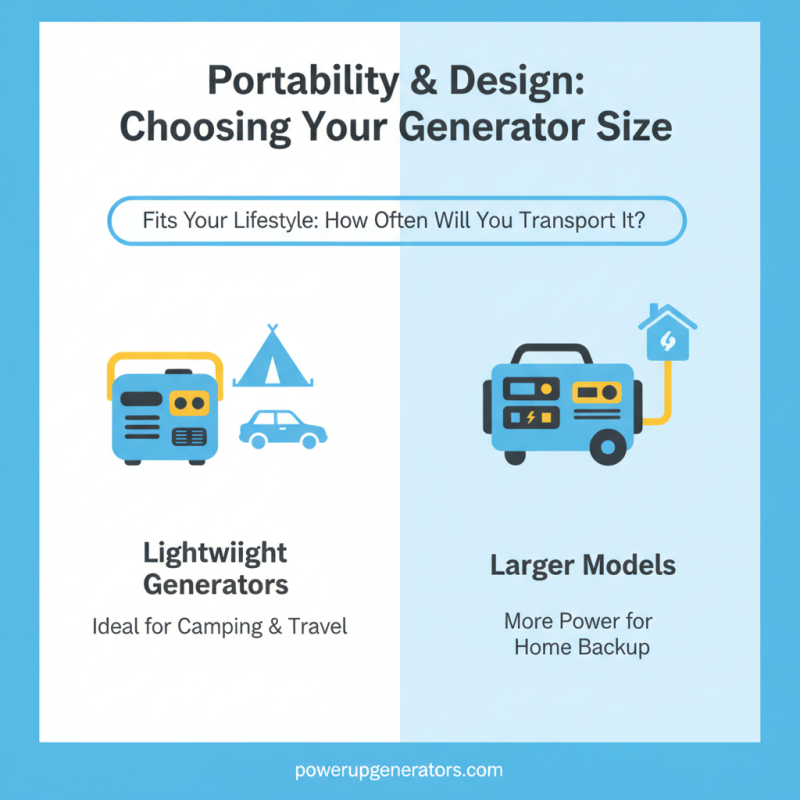
When selecting a small power generator, portability and design are crucial factors. The best unit should fit your lifestyle. Consider how often you'll need to transport it. A lightweight generator may be ideal for camping trips. Yet, larger models can provide more power for home backup.
Think about the design aspects, too. A compact and ergonomic design simplifies handling. Does it come with wheels for easier movement? Some generators have foldable handles, which can further enhance portability. These features can make a significant difference during use.
Also, reflect on how storage plays a role. A small footprint is beneficial if space is limited. Check for integrated storage options for cables. Although many models offer these features, not all do. Weighing the pros and cons can lead to a more thoughtful decision. This balance can help ensure the generator suits your specific needs.
Comparing Fuel Types and Their Impact on Generator Performance
When selecting a small power generator, understanding fuel types is crucial.
Gasoline, propane, and diesel are the most common options. Each fuel type significantly impacts performance, efficiency, and operational costs.
For instance, according to the U.S. Department of Energy, gasoline generators provide a quick start and high output but have a shorter shelf life.
Diesel generators, however, often last longer and are more fuel-efficient, which can offset their higher initial cost in the long run.
Propane generators are noted for their cleaner burn and reduced emissions. They tend to have lower maintenance needs compared to gasoline units.
The EPA reports that propane generators provide more consistent power output.
Users might find these units easier to store and handle. However, availability can be an issue. In emergencies, access to propane can be limited, necessitating careful planning.
Some users may overlook the impact of fuel type on generator weight and portability. Gasoline generators are usually lighter, making them easier to transport.
Weighing the benefits and downsides of each fuel type is vital.
Owners must consider their operational environment and the situations in which they'll use the generator. A well-informed choice leads to better performance and satisfaction.