How to Choose the Best Small Power Generator for Your Needs?
When exploring your options for a Small Power Generator, it’s essential to understand your specific needs. According to a recent report by the U.S. Energy Information Administration, the demand for portable generators has surged by over 40% in the past five years. This uptick is driven by increasing reliance on electricity during unforeseen outages. However, not all generators are created equal.
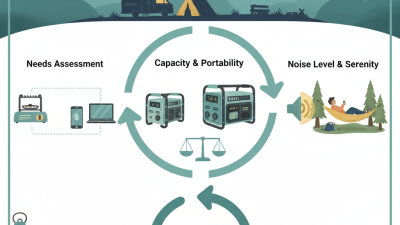
Choosing the right generator involves several factors. The power output, fuel efficiency, and weight play significant roles. A generator that is too small may leave you in the dark, while an oversized unit can lead to unnecessary expenses. Experts recommend assessing your power requirements carefully. Brands often provide load calculators to help buyers.
Despite the abundance of options, many consumers still struggle to make informed decisions. In a recent survey, 32% of respondents reported being overwhelmed by choices. This challenge highlights the importance of reliable information and expert advice. By considering your unique needs and consulting trusted sources, you can find the Small Power Generator that best fits your lifestyle.
Understanding Your Power Requirements for the Generator
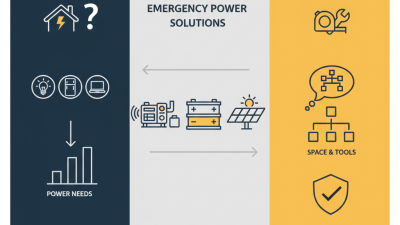
When choosing a small power generator, understanding your power requirements is crucial. Assess the total wattage needed for your devices. For instance, typical appliances like refrigerators require 600-800 watts, while power tools may need around 1,000 watts. The U.S. Department of Energy suggests calculating both starting and running watts to ensure adequate power supply. This knowledge helps prevent potential overloads.
**Tips:**
Consider listing all devices you plan to power. Multiply their wattage and add a buffer of about 20% for safety. If you plan to use multiple devices, the total wattage should reflect the highest demand simultaneously.
Deciding on the generator's capacity can be tricky. Oversizing may lead to higher fuel consumption and expenses, while undersizing can lead to inefficiencies. According to the National Electrical Manufacturers Association, a generator running at 70-80% capacity operates optimally. It’s also wise to reflect on your future needs. Will you expand your device usage later? Remember, energy efficiency is not only about immediate needs but also planning for growth.
How to Choose the Best Small Power Generator for Your Needs?
| Feature |
Description |
Rating (1-5) |
| Power Output |
Determine the appliances you intend to power and their wattage requirements. |
4 |
| Portability |
Consider weight and handle options for easy transport. |
5 |
| Fuel Type |
Choose between gasoline, propane, or dual fuel types. |
4 |
| Run Time |
Assess how long the generator can run on a full tank. |
4 |
| Noise Level |
Check the decibel rating for quiet operation. |
3 |
| Safety Features |
Look for features such as overload protection and low oil shutdown. |
5 |
| Warranty |
Consider the length and terms of the warranty offered. |
4 |
Types of Small Power Generators: A Comparative Overview
When choosing a small power generator, understanding the types available is key. The three main categories are portable generators, inverter generators, and standby generators. According to a recent industry report, portable generators account for over 60% of the small generator market. These units are versatile and can provide essential power during outages or for outdoor activities, but they can be noisy and require manual operation.
Inverter generators, on the other hand, are quieter and produce cleaner power. They adapt to varying loads, making them ideal for sensitive electronics. Recent surveys indicate that inverter generators are becoming increasingly popular, with a growth rate of approximately 15% annually. While they may be more expensive upfront, their efficiency and lower noise levels often make them worth the investment for many users.
Standby generators, typically installed permanently, provide backup power automatically during outages. They are favored by homeowners needing reliability and convenience. However, the installation cost can be significant, leading many to debate their necessity versus the investment. When considering types of generators, it's essential to weigh power needs, budget, and usage frequency. Each type has unique advantages and drawbacks deserving of careful thought and reflection.
Key Features to Consider When Choosing a Generator
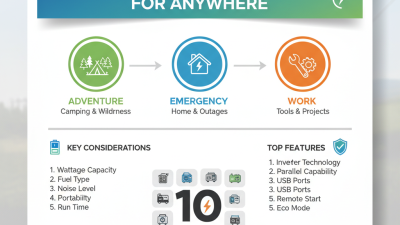
When selecting a small power generator, the key features to consider include power output, fuel type, and portability.
Power output is essential as it determines what devices you can run. Generators typically range from 1,000 to 10,000 watts. According to industry reports, homeowners generally need around 3,000 to 5,000 watts for essential appliances. It's wise to calculate the total wattage of devices you'll power.
Fuel type also plays a critical role. Generators can run on gasoline, propane, or diesel. Gasoline units are widely available but often provide less runtime. Propane generators, while slightly more efficient, may be harder to source. Diesel units offer greater longevity but can be heavier and noisier. Consider your usage scenarios and where you may find fuel.
Portability is another factor. A generator that is easy to transport can be beneficial for outdoor activities or emergency situations. Look for units with wheels and reliable handles. However, portability can sometimes compromise power output. In some cases, heavier units may deliver more power but be less mobile. Carefully assess your priorities, but remember that a compromise might be necessary depending on your situation.
Assessing Noise Levels and Fuel Efficiency
When choosing a small power generator, noise levels and fuel efficiency are critical factors. According to the U.S. Department of Energy, most generators operate at 60 to 70 decibels. This range is similar to normal conversation levels. Choosing a generator within this decibel level ensures minimal disruption. However, smaller, quieter models may sacrifice power output or runtime. Analyze how much power you need and find the balance.
Fuel efficiency is just as important. A report from the National Renewable Energy Laboratory indicates that generators can consume between 0.2 to 0.5 gallons of fuel per hour. Opting for a model with a higher efficiency rating can lead to substantial savings. For example, a generator rated at 0.2 gallons per hour is more desirable for extended use. Yet, be wary; some efficient models may have reduced initial power output. Always consider your specific needs before settling on a model. Evaluate situations where you might need extra power, as it may influence your choice even if it leads to a noisier operation.
Noise Levels and Fuel Efficiency of Small Power Generators
Budgeting for Your Small Power Generator Purchase
When budgeting for a small power generator, start by assessing your needs. Identify what devices you want to power. Do you need electricity for tools, kitchen appliances, or recreational vehicles? Each category may require different wattage and features. This will help narrow down your options and prevent overspending.
Next, consider the range of prices. Small generators can vary widely in cost. It might be tempting to go for a lower-priced option, but be wary of quality. Inexpensive models may lack safety features or durable components. Investing a bit more can pay off in reliability and longevity.
Don't forget about potential additional costs. Fuel expenses can add up over time. You might also need accessories like extension cords or maintenance supplies. Being realistic about these costs is important. Take time to compare models and ensure you're making a sound financial decision. Sometimes, it’s worth waiting for sales or exploring second-hand options.