How to Use a Mobile Generator for Your Power Needs?
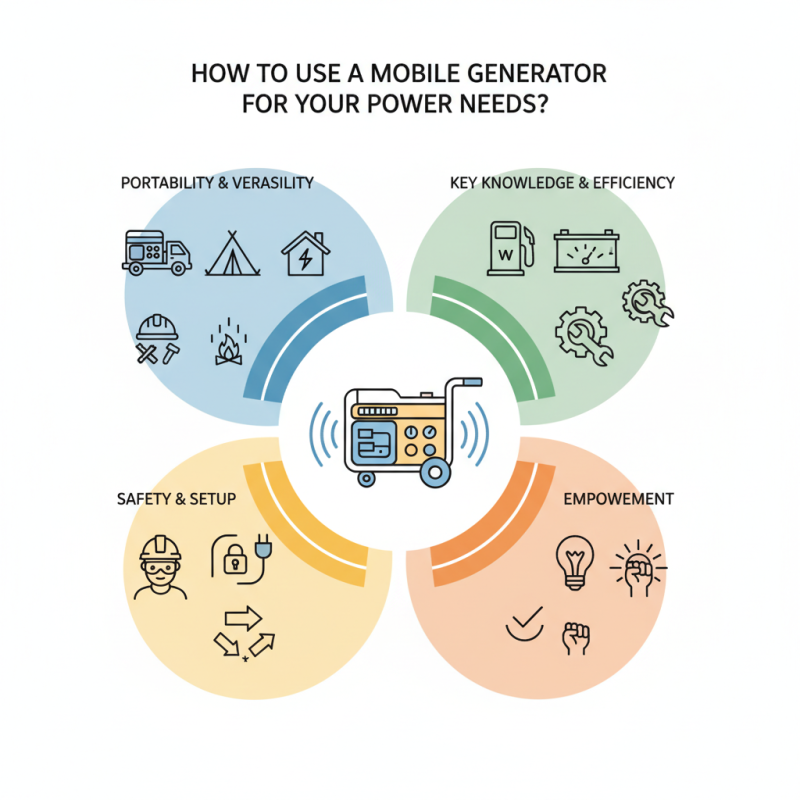
In today’s fast-paced world, having a reliable power source is essential. A mobile generator can meet various power needs during outdoor activities, emergencies, or construction sites. Its portability makes it an attractive option. You can easily transport it from one location to another.
Using a mobile generator requires some knowledge for optimal performance. Understanding its fuel requirements and wattage output is key. This knowledge will prevent mishaps, such as running out of gas in the middle of an important task. Regular maintenance is also crucial to ensure the generator operates effectively when you need it most.
However, not everyone feels confident using this equipment. Some might overlook safety precautions or struggle with setup. It's important to educate yourself to avoid these pitfalls. A deeper understanding of the mobile generator can lead to better decision-making and efficiency. By refining your skills, you can confidently harness power whenever and wherever needed.
Understanding the Basics of Mobile Generators and Their Applications
Mobile generators are versatile tools for various power needs. They provide electricity in remote areas without a stable power grid. According to the American Rental Association, the demand for mobile generators has grown significantly, driven by outdoor events and emergency preparedness. This trend highlights their utility in both residential and commercial applications.
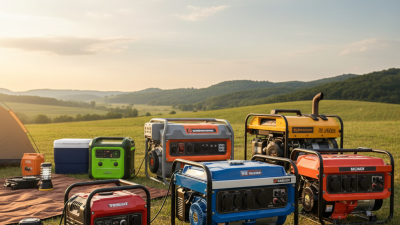
Understanding the basics of mobile generators is crucial. These generators convert mechanical energy into electrical energy. They come in various sizes and capacities. A typical mobile generator might produce between 1,000 to 10,000 watts, suitable for different tasks. For example, light-duty models can power tools on job sites, while larger models can support food trucks or construction sites.
However, there are challenges to consider. Noise levels can be an issue, affecting compliance with local regulations. Some models produce over 70 decibels, which may disturb nearby communities. Additionally, fuel consumption varies. Gasoline models often run for only a few hours without refueling, impacting long-term use. Understanding these factors ensures users make informed decisions for their power needs.
Key Specifications and Features to Look for in Mobile Generators
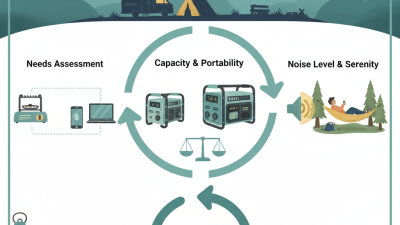
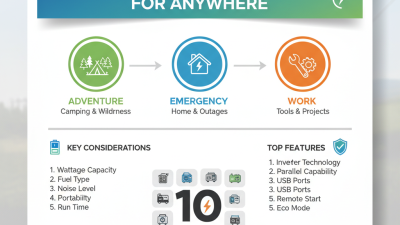
When selecting a mobile generator, key specifications play a crucial role in efficiency and performance. Start by considering the power output, often measured in watts. For instance, a generator typically produces between 2000 to 8000 watts. This range can support various devices from basic tools to larger appliances. Knowing your power needs ensures you choose an adequately powerful unit.
Next, portability is essential. Weighing just under 100 pounds is ideal for easy transport without sacrificing stability. Look for models with built-in wheels and ergonomic handles. Noise levels also matter; a quiet generator operates below 60 dB, allowing for use in residential areas without disturbing neighbors. According to industry reports, 40% of users prefer quieter models for outdoor events.
Fuel efficiency is another consideration. Generators that run on propane can operate longer and more efficiently compared to traditional gasoline models. A gallon of gasoline provides approximately 6 hours of run time at half load. However, the reliability of fuel supply can be unpredictable. Users often report challenges finding propane sources during emergencies. Being aware of these factors can guide more informed decisions and enhance your generator experience.
Safety Considerations When Operating a Mobile Generator
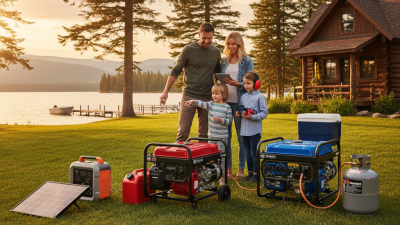
When using a mobile generator, safety must be the top priority. According to the National Fire Protection Association, portable generators account for about 60 incidents per year, leading to injuries and fatalities. Proper usage is essential to reduce these risks. Always operate the generator outdoors, away from windows and doors. Carbon monoxide emissions are a serious threat, even in well-ventilated areas.
Tip: Check your generator's manual for safety features. Features like automatic shut-off can help prevent accidents.
Keep your workspace tidy. Ensure that the generator is on a stable surface to avoid tipping. Use heavy-duty extension cords that are rated for outdoor use. This avoids overloading circuits, which can cause fires.
Tip: Regular maintenance is crucial. Clean air filters and check for leaks to ensure efficiency.
Finally, wear appropriate safety gear, such as gloves and goggles. Even minor accidents can lead to serious injuries. Make sure to store fuel safely in approved containers. Leaking fuel is a fire hazard.
Tip: Understand the load capacity of your generator. Overloading can damage the generator and your devices.
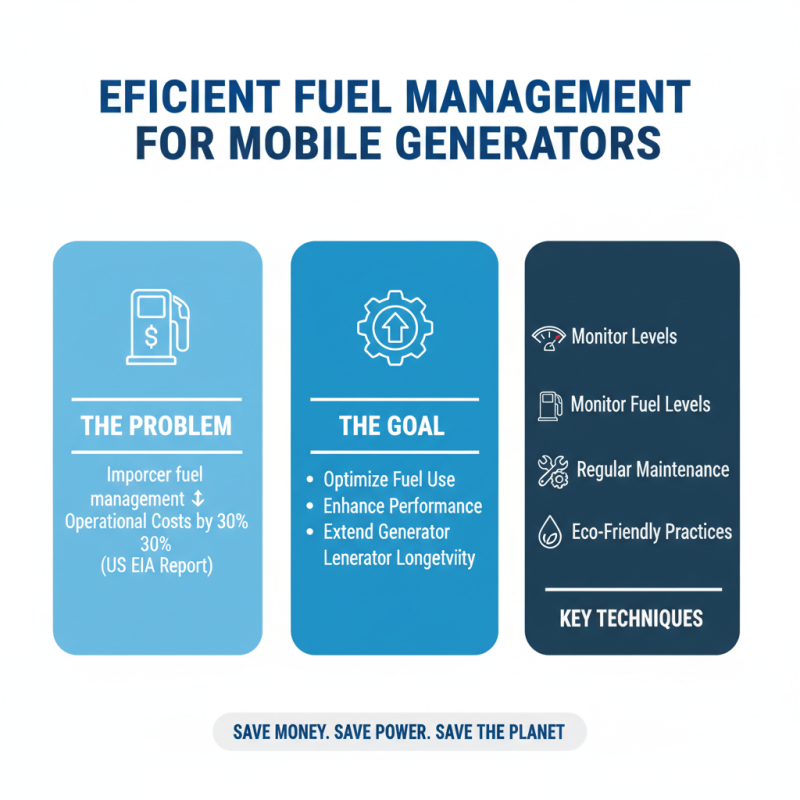
Efficient Fuel Management for Mobile Generators: Tips and Techniques
Efficient fuel management is crucial for mobile generators. According to a report by the U.S. Energy Information Administration, improper fuel management can increase operational costs by up to 30%. Understanding how to optimize fuel use can significantly enhance generator performance and longevity.
Start with regular inspections. Check fuel levels and quality. Contaminated fuel can cause generators to work harder, reducing efficiency. Experts recommend changing the fuel filter every 100 hours of operation or as needed. This simple step can prevent larger issues and costly repairs down the line.
Consider the type of fuel you use. Diesel is popular for mobile generators due to its energy density. However, it is essential to store it correctly. Fuel degradation can occur in as little as six months. Using a fuel stabilizer can extend its shelf life. Furthermore, incorporating real-time monitoring systems can help track fuel consumption. This data can inform future fuel purchasing decisions, ensuring better management and reduced waste.
Common Uses of Mobile Generators in Various Industries and Settings
Mobile generators play a crucial role in various industries, from construction sites to outdoor events. They provide reliable power where traditional sources may fall short. According to a 2023 industry report, mobile generator sales have increased by 15% over the past year. This demonstrates a growing reliance on portable power solutions.
In the construction industry, mobile generators are essential for powering tools and equipment. They ensure that work can continue regardless of electrical grid interruptions. A study showed that 40% of construction professionals consider on-site power generation vital for project timelines. Events planners also benefit from these generators, as they deliver energy for lighting and sound systems. Organizers must be aware of the potential noise pollution from these units, as it can disrupt nearby activities.
Healthcare settings also utilize mobile generators during emergencies. Power outages can pose serious risks to equipment and patient care. According to the American Hospital Association, about 30% of hospitals have mobile generators on standby. While they offer vital backup, hospitals must regularly assess their fuel supply and operational effectiveness. This evaluation is critical for ensuring uninterrupted patient care during crises.