Top 10 Mobile Generator Types for Global Buyers
Reliable electricity is no longer limited to permanent buildings. Construction sites, outdoor events, emergency services, mines, farms, and data projects often need power within hours, not months. This practical pressure has made the Mobile Generator a flexible part of modern energy planning.
The International Energy Agency’s Electricity 2024 report projects global electricity demand to grow by around 4% annually through 2026. That growth increases interest in temporary, transportable, and backup power systems. MarketsandMarkets also identifies fuel efficiency, rental demand, and hybrid technologies as important forces shaping the generator market. However, market forecasts differ. They should guide decisions, not replace field experience.
Aggreko’s former Chief Executive, Chris Rason, has described temporary power as a “critical enabler” for business continuity and resilience. The point is simple. A generator must start when needed.
For global buyers, choosing among diesel, gasoline, gas, hybrid, battery, inverter, trailer-mounted, containerized, and towable models requires more than comparing rated kilowatts. Noise limits, fuel access, climate, service coverage, emissions expectations, runtime, and transport conditions all matter. A compact inverter generator may suit a remote medical team. A containerized diesel unit may better support a large construction camp.
The wrong specification can create expensive delays. Sometimes, buyers focus too heavily on purchase price. That is a weakness worth admitting.
This guide examines the top 10 Mobile Generator types for global buyers. It connects technical design with real operating conditions, supplier reliability, and total ownership costs. The best choice is rarely the largest machine. It is the one that delivers stable power, practical mobility, and dependable support.
Definition and Core Features of Mobile Generators
A mobile generator is a transportable machine that converts fuel or stored energy into usable electrical power. It supports construction sites, outdoor events, emergency repairs, and temporary facilities. Unlike fixed standby equipment, it can move between locations with limited preparation.
Core components include an engine, alternator, fuel system, control panel, frame, and protective enclosure. Diesel models suit long operating hours and demanding workloads. Gasoline units are often lighter and easier to start. Inverter generators provide cleaner power for sensitive electronics, while hybrid systems can reduce fuel use during light loads. Each type serves a different operating condition.
Mobility is a practical feature, not a marketing detail. Wheels, lifting points, and trailer compatibility affect daily handling. Technicians should check rated output, starting power, fuel capacity, runtime, outlet types, and noise levels before purchase. Safety devices, grounding options, overload protection, and weather-resistant construction also deserve close attention. It is not magic. A compact unit may struggle with motor starting loads, even when its running wattage appears sufficient. Noise matters too. On a quiet worksite, a poorly enclosed engine becomes tiring within minutes. Field inspections often reveal another issue: users choose maximum capacity but ignore maintenance access. That mistake can increase downtime. Buyers should compare local electrical standards, service support, and documented test data before selecting one of the leading mobile generator types.
Comparison of the Top Mobile Generator Types
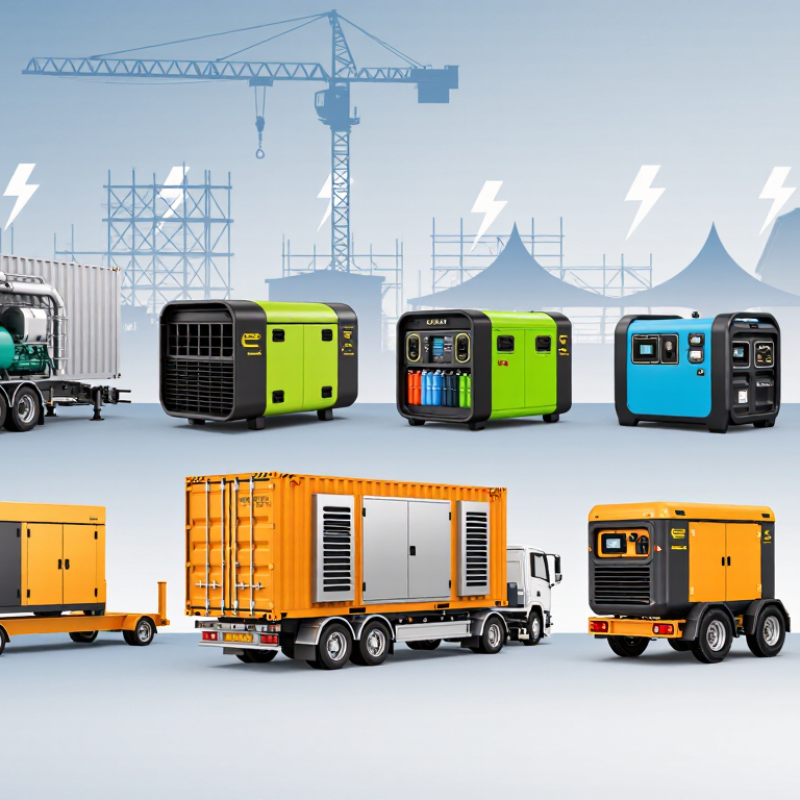
Mobile generators differ in fuel, output, mobility, and operating conditions. Diesel generators suit construction sites and long shifts because they offer strong torque and extended runtime. Gasoline models start easily and remain practical for short residential or light commercial tasks. Propane units burn cleaner at the point of use, but cold weather can reduce pressure. Natural-gas generators provide convenient operation where a stable gas connection exists.
Dual-fuel generators add flexibility during fuel shortages. Inverter generators produce cleaner electricity for laptops, medical electronics, and sensitive instruments. They are usually quieter, though their output may not support heavy industrial loads. Solar-battery generators create no exhaust during operation and work well for overnight lighting, field monitoring, and emergency charging. Their limits become obvious after several cloudy days.
Towable generators balance mobility and higher output for events, farms, and repair crews. Trailer-mounted units move more easily between larger sites, but they need suitable parking and secure placement. Containerized generators offer weather protection, sound control, and substantial capacity for temporary infrastructure. They are powerful, yet transport planning can become expensive.
A reliable comparison should examine rated watts, starting watts, fuel storage, noise, service access, and local weather. Check the real load, not the advertised peak. I have seen buyers overlook motor-starting demand and choose undersized equipment. That mistake causes nuisance shutdowns. Maintenance access matters too. A compact unit may save space but frustrate technicians during filter changes. Safety controls, grounding requirements, ventilation, and authorized installation should match local regulations.
Top 10 Mobile Generator Types for Global Buyers
Comparison of typical continuous output ranges for commonly available mobile generator configurations. Ratings are indicative market ranges and may vary by duty cycle, fuel quality, environmental conditions, and local standards.
The chart uses a logarithmic scale to make both compact portable units and high-capacity trailer systems easier to compare.
Safety, Maintenance, and International Use Considerations
Top 10 Mobile Generator Types for Global Buyers
Safety, Maintenance, and International Use Considerations
Mobile generators include inverter, conventional gasoline, diesel, dual-fuel, tri-fuel, solar-battery, hybrid, trailer-mounted, towable, and fuel-cell models. Each type presents different safety and maintenance demands. The U.S. Consumer Product Safety Commission’s incident analysis from 2011–2021 links portable generators to more than 1,000 carbon-monoxide deaths. Therefore, operate combustion models outdoors, far from doors, windows, and ventilation openings. Never use them inside homes, garages, containers, or partially enclosed work areas. Install tested carbon-monoxide alarms nearby, but do not treat alarms as permission for unsafe placement.
International buyers should verify voltage, frequency, phase, plug configuration, and earthing requirements before shipment. Many markets use 50 hertz, while others use 60 hertz. A mismatch can damage motors and sensitive equipment. Check ISO 8528 performance requirements and applicable IEC electrical safety standards. Fuel quality also varies across borders. Diesel storage can introduce water, sediment, and microbial contamination. Inspect filters, hoses, battery terminals, coolant, and exhaust systems before every deployment. Maintenance intervals should follow operating hours, not calendar habits alone.
Tips: Keep a logbook with hours, faults, fuel changes, and load levels. Use load banks during scheduled inspections. Secure trailer wheels on firm ground. Recheck grounding after relocation. A checklist helps, but rushed workers still make mistakes. That human gap deserves honest attention. Solar-battery units reduce exhaust exposure, yet their batteries require temperature control, fire protection, and careful charging procedures.