How to Choose the Best Household Power Generator?
Choosing the best Household Power Generator starts with a realistic picture of your home, not the loudest product advertisement. During a storm, a refrigerator, router, medical device, and several lights may need power. Their combined starting demand can exceed their running wattage. Write down each appliance, its rated watts, and its startup requirement. This simple load list prevents expensive guesswork.
Fuel type, transfer method, noise, runtime, and maintenance deserve equal attention. Portable gasoline models may suit short outages, while dual-fuel units offer greater flexibility. Inverter generators often provide cleaner power for sensitive electronics, but they can cost more. A permanently installed standby system may switch automatically, yet it requires professional installation and regular servicing. Always follow the manufacturer’s instructions and local electrical requirements. Never connect a generator directly to a wall outlet. A qualified electrician should assess transfer equipment and grounding.
Safety matters most.
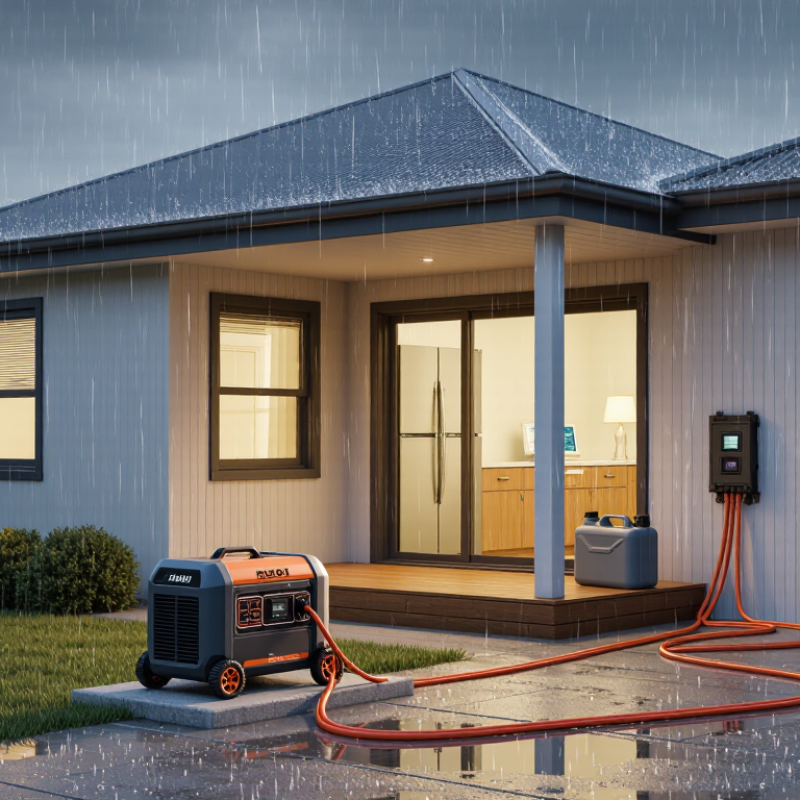
I once focused too heavily on maximum wattage and overlooked fuel storage and ventilation. That was a poor decision. A generator needs a dry, stable outdoor location, away from doors and windows. Carbon monoxide is invisible and dangerous. Test the unit before an emergency, check oil levels, and keep maintenance records. Reliable selection is less about buying the biggest machine. It is about matching verified power needs, household priorities, budget, and safe operating habits. The right choice may feel less impressive, but it should work when the lights disappear.
Define Your Home’s Essential Power Requirements
Before choosing a household power generator, define what must keep running during an outage. Do not begin with the largest model. Begin with a written load list. Include the refrigerator, freezer, lights, internet router, heating controls, sump pump, and medical equipment. Note each item’s running watts and starting watts. Motors often need a brief surge.
My first estimate was too optimistic. I counted normal operating power but ignored the refrigerator’s startup demand. That mistake could overload a smaller generator. Add the starting watts of equipment that may begin together, then calculate the total. A qualified electrician can verify these figures and assess your home’s wiring. Never connect a portable generator directly to a wall outlet. A properly installed transfer switch reduces dangerous backfeeding risks.
Think about duration, not only capacity. A generator running for twelve hours needs fuel, ventilation, and safe placement away from doors and windows. Decide whether you need selected circuits or nearly the whole home. Essential circuits usually include refrigeration, lighting, communications, water systems, and critical medical devices. Test the generator under this realistic load. Keep a maintenance record. Replace stored fuel when appropriate, because my own neglected fuel once caused a difficult startup. Leave some capacity unused. A system running constantly at its limit may be less reliable when the weather turns cold.
How to Choose the Best Household Power Generator?
Define your home's essential power requirements by comparing typical running wattage with the higher starting wattage required by motor-driven appliances.
The figures are representative household estimates in watts. Add the running watts of appliances you plan to operate at the same time, then ensure the generator can also handle the highest combined starting demand. Actual requirements vary by model, efficiency, and operating conditions.
Calculate the Right Generator Capacity and Runtime
Choosing a household generator starts with a load calculation, not the largest number on a product label. The U.S. Energy Information Administration’s 2020 Residential Energy Consumption Survey recorded average household electricity use of 10,715 kWh annually. That figure describes energy consumption, not the generator size you need.
Make a list of essential appliances. A refrigerator may draw about 100–400 watts while running, according to U.S. Department of Energy appliance guidance. Its starting surge can be several times higher. Add lighting, a router, heating controls, and a sump pump if necessary. For example, 1,200 running watts plus a 2,000-watt startup surge requires more than a 1,200-watt generator. I once underestimated motor startup demand. The breaker quickly reminded me.
Then calculate runtime from usable fuel and actual load. A generator rated at 3,000 watts may consume more fuel near full output. The U.S. Energy Information Administration reports that residential electricity demand varies significantly by season, so winter heating or summer cooling can change your estimate.
Use this formula: runtime equals usable fuel energy divided by hourly fuel consumption.
Leave a safety margin of 20–25 percent. Do not plan around the maximum rating. A practical test is better: run the selected loads for 30 minutes, measure fuel use, and record voltage stability. Small mistakes remain possible, especially with aging batteries, cold weather, or hidden standby loads. Proper ventilation and carbon monoxide protection must remain non-negotiable.
Evaluate Safety, Noise, Maintenance, and Installation Needs
Choosing a household power generator requires more than comparing wattage. Safety should guide every decision. Place fuel-powered units outdoors, far from windows, doors, and vents. Carbon monoxide can build up silently. A certified electrician should install a transfer switch and verify grounding. Never connect a generator directly to household outlets. That shortcut is dangerous.
Noise also affects daily comfort. Check the rated decibel level and its testing distance. A machine that sounds acceptable outside may disturb bedrooms at night. Visit a working unit if possible. Maintenance needs equal attention. Inspect oil, filters, fuel lines, battery condition, and loose connections regularly. Run the generator according to the manual, even when the grid is stable. It needs exercise. Stale fuel caused one of my early maintenance problems, and I underestimated how quickly it degraded. That mistake changed my inspection routine.
Installation depends on the expected load and available space. List essential appliances, such as refrigeration, lighting, medical equipment, and heating controls. Do not size the system by adding every appliance’s starting wattage casually. Motors often demand extra power during startup. Leave clear airflow around the enclosure, and protect the unit from flooding and falling debris. Local electrical and fire requirements may differ, so confirm them before installation. A quieter, smaller generator may be adequate, but emergency priorities can expose its limits. Recheck those priorities each year.
Choose a Reliable Model That Fits Your Budget and Home setup
How to Choose the Best Household Power Generator?
A reliable household generator should match your home’s actual power needs, not an imagined emergency. List essential appliances, such as a refrigerator, router, lights, and medical equipment. Check their running watts and starting watts. Motors often need extra power for a few seconds. Add those figures carefully, then leave a safety margin.
Your budget includes more than the purchase price. Fuel, maintenance, weather protection, cables, and professional installation also matter. A smaller generator may cost less, but it can struggle with a freezer and heating system together. A larger model may waste fuel during light use. I once chose a unit by headline wattage alone. That decision was not ideal. It sounded powerful, yet its starting capacity did not suit my older refrigerator.
Tips: Choose a model with clear specifications, overload protection, and accessible service parts. Measure the planned outdoor location before buying. Keep the generator outdoors, away from doors and windows, and never operate it in a garage. A qualified electrician should install a proper transfer switch for home circuits. Extension cables must be rated for the generator’s output and kept dry. Check noise levels too. A loud machine beside a bedroom quickly becomes a practical problem. Test the generator every few months, inspect cables, and follow the operating manual. Small checks prevent expensive surprises.