What is a Silent Generator and How Does it Work?
In today's world, noise pollution is a growing concern. Silent generators offer a potential solution. These generators operate quietly while providing reliable power. Businesses and homeowners alike are turning to them for a peaceful environment.
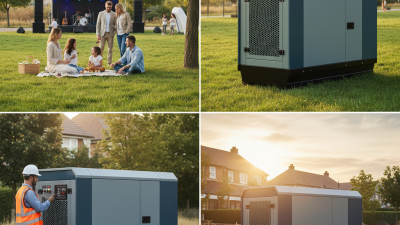
A silent generator works differently from traditional generators. It uses advanced technology to minimize sound output. Many models feature soundproof enclosures. These enclosures help to absorb noise, making them ideal for sensitive areas. Event organizers and construction sites often require silent equipment to avoid disturbance.
The benefits of silent generators extend beyond noise reduction. They are versatile and can be used in various applications. However, potential buyers should consider their power needs carefully. Understanding the specifications is essential. Complexities arise in selecting the right model. Mistakes can lead to insufficient power during critical times. Balancing performance with quiet operation is key. Exploring these generators provides insight into a quieter future.
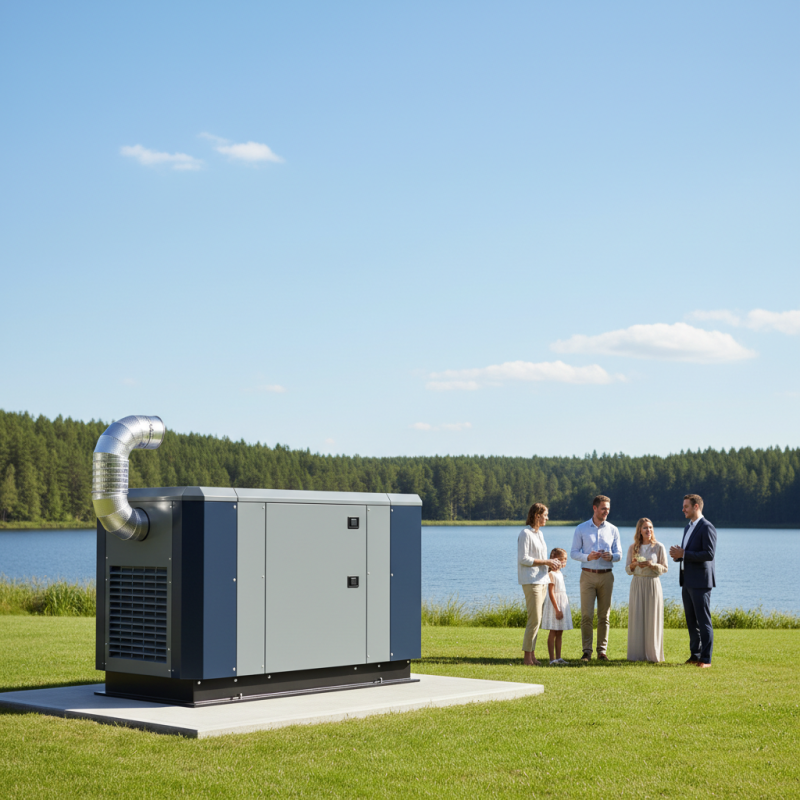
Definition of a Silent Generator and Its Purpose
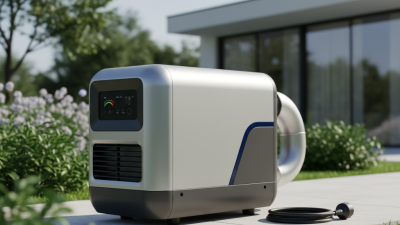
A silent generator, also known as a quiet generator, is designed to minimize noise during operation. This is achieved through soundproof enclosures and advanced technology. Silent generators are often used in urban areas where noise restrictions are strict.
According to a report by Research and Markets, the global silent generator market was valued at approximately $3.63 billion in 2022, with an estimated growth rate of 5.2% annually through 2030.
The primary purpose of a silent generator is to provide reliable power without disturbing the environment. These generators are increasingly utilized in applications such as events, construction sites, and emergency power supply. Their design includes noise-reducing features and efficient engines.
Interestingly, the noise level of silent generators often ranges from 50 to 70 decibels, comparable to a normal conversation. However, not all models meet the strict noise regulations, leading to ongoing discussions about compliance and environmental impact.
While silent generators offer significant benefits, they are not without challenges. Maintenance can be more complex due to their advanced technology. Users may find themselves grappling with more operational intricacies than with traditional generators. Furthermore, the initial cost can be higher, which may deter some users.
Careful consideration of these factors is essential for anyone looking to invest in silent generators.
Key Components of a Silent Generator
Silent generators, also known as quiet generators, are designed to operate with minimal noise. They are essential for various applications, from outdoor events to construction sites. Understanding their key components is crucial for effective usage.
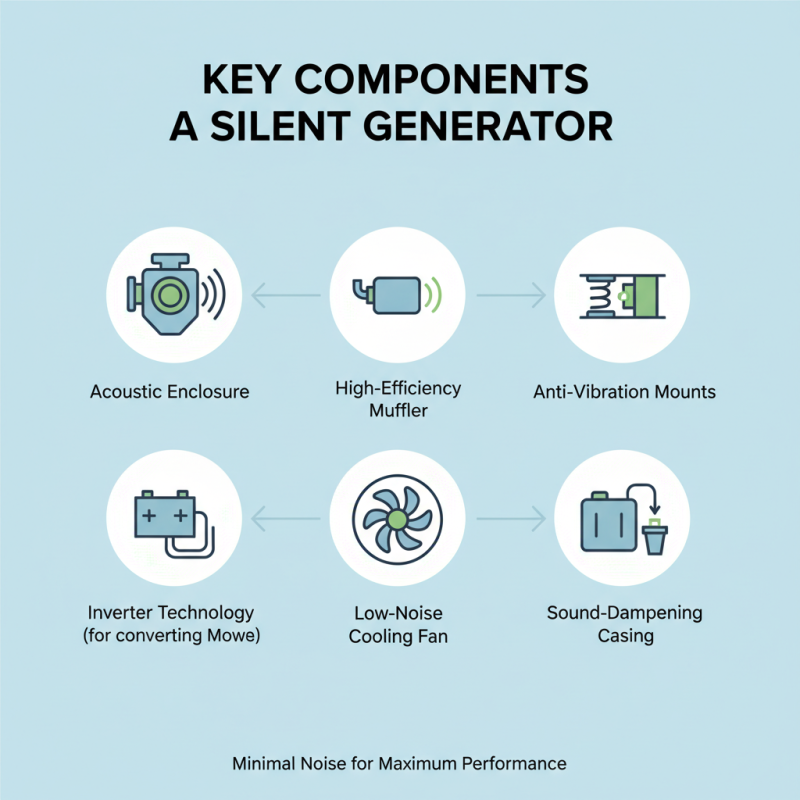
The heart of a silent generator is typically its enclosure. This outer shell often incorporates sound insulation materials. Using high-density foam can significantly reduce noise levels by up to 30 decibels. Inside, you will find a high-efficiency engine combined with advanced alternators. These elements contribute to energy production while maintaining a low operational sound. According to a report by the International Energy Agency, silent generators can achieve noise levels as low as 55 dB at a distance of seven meters. This is comparable to a quiet conversation.
Cooling systems are also vital. They help regulate temperature without adding extra noise. Some silent generators use innovative liquid cooling techniques to enhance efficiency. Additionally, vibration dampeners and isolated mounts significantly decrease operational noise. While these innovations are beneficial, they also pose maintenance challenges. Regular inspections are necessary to ensure optimal performance. Understanding these components can aid users in maximizing the lifespan and utility of silent generators while minimizing potential issues.
Working Principle of Silent Generators
Silent generators, often termed as noise-free generators, operate primarily through advanced engineering principles that minimize sound output. These machines employ soundproof enclosures and anti-vibration mounts to dampen noise levels significantly. According to a report by the Power Generation Industry Association, silent generators can reduce noise levels by up to 50% compared to traditional models, achieving sound levels as low as 60 decibels. This makes them ideal for usage in residential areas, hospitals, and outdoor events where noise restrictions are paramount.
The working principle of silent generators hinges on the use of specially designed components. For instance, the engine is often coupled with an inverter that converts the mechanical energy into smooth, stable electricity. This process not only reduces noise but also enhances energy efficiency. A study conducted by the Energy Efficiency Council found that silent generators could achieve efficiency rates of over 90%, which is impressive when compared to standard diesel generators.
Despite these advances, not all silent generators maintain peak performance at all times. Factors such as load variations and environmental conditions may affect their efficiency. Additionally, while they excel in noise reduction, their complexity can lead to higher maintenance costs over time. Reflecting on these aspects can provide valuable insights into making informed choices when considering silent generators for various applications.
Advantages of Using Silent Generators
Silent generators offer a host of distinct advantages, making them an increasingly popular choice for various applications. Primarily, they operate at a reduced noise level, typically below 60 decibels, which is similar to a normal conversation. This feature is crucial for environments where noise regulations are strict, such as hospitals or residential areas. According to a 2021 energy report, these generators have seen a 30% growth in adoption due to their quieter operation.
Moreover, silent generators are often more fuel-efficient than their traditional counterparts. Many models utilize advanced technology that optimizes fuel consumption. Reports suggest that they can reduce fuel costs by up to 25%, which is particularly significant for commercial users. This can lead to substantial savings over the generator's lifespan. Beyond just noise and efficiency, silent generators often have a smaller carbon footprint, aligning with global trends towards sustainability.
However, it's important to note that silent generators can still produce intermittent noise during operation, especially under high load. This may be a concern in some sensitive areas. Additionally, while they offer many benefits, the initial investment for silent models is generally higher than conventional units. Understanding these factors can help users make informed decisions tailored to their specific needs.
Common Applications of Silent Generators
Silent generators, known for their low noise operations, have various applications in different sectors. Construction sites often benefit from these generators. They provide power without disturbing surrounding neighborhoods. Workers can focus on their tasks without the loud interruptions common with traditional generators.
Events, both outdoor and indoor, frequently utilize silent generators. Outdoor festivals require reliable power sources for lights and sound systems. The quiet operation allows guests to enjoy the atmosphere without intrusive noise. In residential areas, homeowners might use them during power outages. They enable important appliances to run smoothly, preventing any unnecessary frustrations.
Healthcare facilities also rely on silent generators. They ensure vital equipment functions during emergencies. The lack of noise maintains a peaceful environment, crucial for patient recovery. While silent generators offer many advantages, they require careful maintenance for optimal performance. Regular checks will prolong their lifespan and effectiveness.