

A power outage rarely arrives at a convenient moment. A refrigerator stops humming, a phone battery falls, and a portable generator suddenly becomes part of the household plan. The U.S. Energy Information Administration’s Electric Power Annual reports that American electricity customers experienced an average of about 5.6 hours of interruptions in 2022, including major events. That figure is a useful reminder: backup equipment is not only about the generator itself.
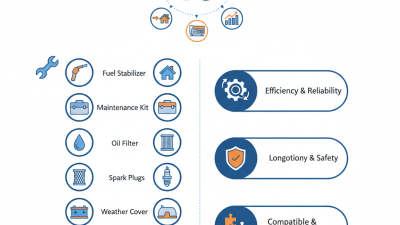
The right Generator accessories can make a setup easier to use and maintain. A properly rated transfer switch or inlet supports safer connection to selected home circuits when installed by a qualified electrician. Heavy-duty extension cords help power tools and appliances at a distance, while a weather-resistant cover protects a generator during storage. A fuel stabilizer, spare air filter, and maintenance log can also help owners prepare before an outage. Small details matter.
Safety deserves equal attention. The U.S. Consumer Product Safety Commission advises operating portable generators at least 20 feet from homes, with exhaust directed away from doors and windows. Working carbon monoxide alarms add another layer of protection. Product labels and the owner’s manual should guide accessory choices, especially for wattage, connector type, and outdoor use. A popular accessory is not automatically the right one. Fit matters.
This guide looks at practical options for 2026, from connection equipment to maintenance essentials. It does not assume every household needs the same kit. That part is easy to overlook. Check local conditions, generator specifications, and professional guidance before buying; even a well-chosen accessory cannot correct an unsafe setup.
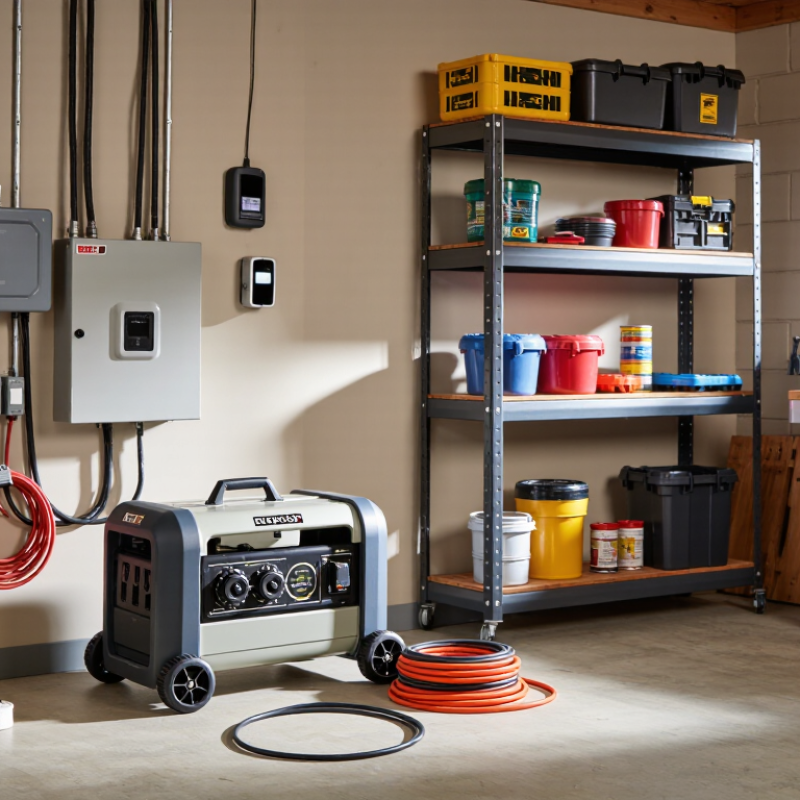
Generator accessories turn a machine into a usable backup system. A transfer switch connects selected circuits to generator power and helps prevent dangerous backfeeding. A properly rated power cord carries electricity between the generator and inlet; its gauge and length affect safe capacity. Keep connectors dry and inspect them for cracks before use.
Fuel stabilizer can help preserve stored gasoline, while a compatible cover protects equipment from dust and light weather during storage. Never run a generator under a cover while operating. Carbon monoxide detectors add an essential warning layer indoors, but generators must remain outdoors, far from doors and windows. The U.S. Consumer Product Safety Commission has reported an average of about 100 annual carbon monoxide deaths linked to portable generators. That figure makes placement more than a convenience.
Sizing matters. Choose cords, inlets, and switches to match the generator’s output and the loads being powered; consult a qualified electrician for permanent connections. The U.S. Energy Information Administration reported that American customers experienced an average of roughly 5.6 hours of power interruptions in 2023, including major events. Accessories can make outages easier to manage, but they cannot fix poor setup. One detail is easy to miss: a neat-looking cable may still be undersized. Check its rating, not just its appearance.
For a typical portable gasoline generator, maintenance items help keep the unit operating reliably. Intervals are approximate operating hours; always follow the generator’s manual.
Intervals vary by model, conditions, and workload. Check the owner’s manual for the correct service schedule.
Choosing generator accessories starts with matching each item to your generator’s output, connectors, and intended use. Check the manual before buying cables, transfer equipment, or weather protection. A plug that looks compatible may still have a different rating. For extension cords, compare their current capacity, length, and wire gauge with the generator’s requirements. Longer, thinner cords can cause voltage drop and overheating. Details matter.
For outdoor use, consider a properly rated cover that allows ventilation rather than trapping heat around the unit. Look for durable materials, secure fasteners, and dimensions that leave exhaust areas unobstructed. Battery maintainers, fuel stabilizers, and maintenance kits may also help, but their suitability depends on the generator type and storage conditions. I would not judge an accessory by its feature list alone; fit and clear instructions are easier to verify, yet easy to overlook.
Tips
Confirm ratings and connector types in the manual. Inspect cords for damaged insulation before use. Keep the generator outdoors, away from doors and windows, and follow its operating instructions. Replace worn accessories promptly. A small mismatch can become a frustrating problem, and sometimes the manual is less clear than it should be—contact a qualified technician if a specification remains uncertain.
Essential Accessories for Safety, Power, and Weather Protection
A carbon monoxide alarm is a vital companion to any portable generator. The U.S. Consumer Product Safety Commission reported an average of about 85 carbon monoxide deaths annually involving portable generators from 2017 to 2019. Place the generator outdoors, at least 20 feet from doors, windows, and vents, as the Centers for Disease Control and Prevention advises. A weather-resistant cover helps protect a cooled, stored unit from rain and dust; never run a generator under a cover or inside an enclosed space. Small detail, serious stakes.
For safer power delivery, choose outdoor-rated extension cords with adequate capacity for the connected load. The Occupational Safety and Health Administration advises using cords suited to the environment and checking them for damage. A transfer switch, installed by a qualified electrician, can help connect selected circuits and prevent dangerous backfeeding. Keep cords off puddles and walkways, and use a power meter to avoid overloading the generator. It is easy to assume one more appliance will fit. Sometimes it will not.
Weather protection also means securing fuel containers away from heat and keeping the generator on stable, dry ground. The National Fire Protection Association recommends storing fuel in approved containers and away from ignition sources. A simple ground mat may reduce mud and splash, but it cannot make a wet location safe. Check cords, alarms, and covers before storm season; honestly, people often remember only after the first outage.
A generator is only useful if you can move it safely and know when it needs attention. A folding wheel kit can help on gravel, but small wheels may snag on roots or deep grass. Check the frame’s weight rating before loading the unit. A fitted cover protects against dust during storage, though it should come off before operation. Keep exhaust outlets clear, and never run a generator in an enclosed space.
Monitoring accessories make routine checks easier. A plug-in meter can show voltage and frequency, while an hour meter helps track service intervals. Readings are useful, not magic; a single number cannot diagnose every problem. I once assumed a stable display meant a healthy unit, but a loose connection told a different story. Check cables and connections by hand, with the generator off and cool.
Fuel storage deserves equal care. Use containers specifically intended for the fuel type, label them clearly, and keep them upright in a cool, ventilated location away from ignition sources. Small leaks matter. Inspect caps and seams before each refill, and follow the generator manual’s fuel guidance. A funnel with a flexible spout can reduce spills, but it can also make overfilling easier. Leave room for expansion, and replace any container that looks cracked, swollen, or worn.
Choosing the right generator accessories starts with the way you use the unit. For backup power, a properly rated transfer switch or inlet connection can help supply selected circuits; have a qualified electrician assess installation. For portable equipment, choose heavy-duty extension cords rated for the generator’s output and the connected load. Check the cord’s gauge, length, and condition. A thinner or damaged cord can overheat.
Weather protection matters. A ventilated operating cover can shield a running generator from rain without blocking airflow. Never run a generator in a home, garage, or enclosed space; keep it outdoors and away from doors and windows to reduce carbon monoxide risk. Keep a dry storage cover for when the unit is off. Small details count.
Match every accessory to the generator’s manual, outlet type, and rated capacity. Avoid guessing. Before each use, inspect plugs for bent pins, frayed insulation, or scorch marks, and replace damaged parts. After use, let equipment cool before cleaning or storage. Keep cords loosely coiled, dry, and away from fuel or sharp edges. I have seen tidy-looking cords fail at a worn connector, so appearance alone is not enough. A simple inspection takes minutes, though it can be easy to skip when you are in a hurry.