

China has become a major sourcing base for the global Standby Generator market. Its manufacturers serve factories, hospitals, data centers, construction sites, and remote facilities. However, purchasing decisions should extend beyond factory price and nameplate output.
The International Energy Agency’s Electricity 2024 report projects that data-center electricity consumption could more than double by 2026. That growth increases demand for dependable backup power. MarketsandMarkets also forecasts continued expansion in the global diesel generator market, driven by unreliable grids, industrial growth, and emergency-power requirements. These reports show the opportunity, but market forecasts are not purchasing guarantees. Actual performance depends on engine quality, alternator design, fuel efficiency, testing, and after-sales support.
“Reliability is designed into the system, not added after failure,” says Jason Makansi, a power-industry consultant and author of Lights Out. His point is especially relevant when comparing China’s top Standby Generator manufacturers. A strong supplier should provide documented load-bank testing, clear maintenance schedules, verified component brands, and responsive technical assistance. Ask for real operating references. Inspect the control panel, battery system, enclosure, and emergency-stop arrangement. Small details matter.
Some buyers still focus too heavily on initial cost. That can be a costly weakness. A cheaper generator may consume more fuel or lack timely spare parts. Certification claims also require careful verification. Not every brochure tells the complete story.
This guide examines leading Chinese manufacturers for global buyers. It considers production capability, product reliability, export experience, customization, compliance documentation, and long-term service. The ranking cannot replace site-specific engineering. It can, however, make the first shortlist more practical.
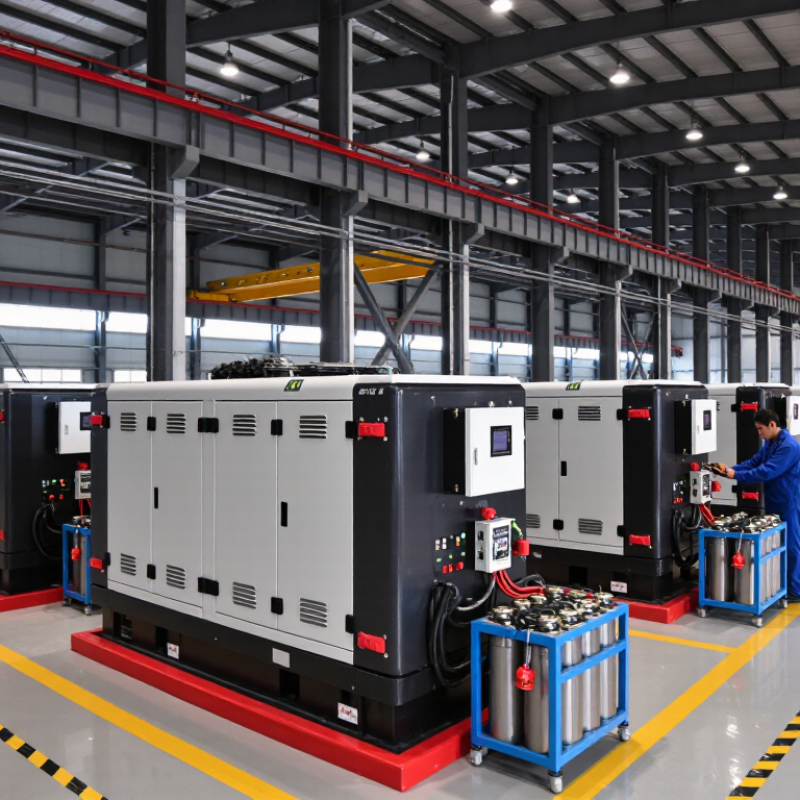
A top standby generator manufacturer is defined by verified performance, not factory size. The IEA’s Electricity 2024 report estimates that data centres used about 240 TWh of electricity in 2022. Demand could exceed 1,000 TWh by 2026. This pressure makes dependable backup power a practical necessity.
Serious manufacturers test complete generator sets under load, temperature, voltage, and frequency changes. They should provide traceable test records, clear wiring diagrams, and compliance evidence for applicable IEC and ISO requirements. ISO 8528 remains a key reference for generator-set performance and ratings. A reliable supplier also explains fuel consumption at different loads, rather than showing only an attractive headline figure.
Service capacity matters just as much. Uptime Institute’s 2024 outage analysis continues to identify power-related failures as a major operational risk for critical facilities. Therefore, buyers should inspect spare-parts planning, remote monitoring, technician response times, and commissioning procedures. Ask for real site references.
Not every factory performs equally well.
Some suppliers promise customization but lack stable control-system integration. That gap appears during commissioning. My own assessment would include factory acceptance testing, witnessed load-bank testing, and a review of recurring failure data. Documentation may look perfect, yet field discipline can still be uneven. A top Chinese manufacturer accepts that weakness and improves it through documented corrective actions, transparent communication, and measurable after-sales support.
Leading Chinese standby generator manufacturers compete through engineering depth, production capacity, and dependable export support. Strong manufacturers typically design diesel generator sets for hospitals, factories, data centers, and remote construction sites. Their core strengths include stable voltage control, efficient fuel use, low-noise enclosures, and engines matched to regional operating conditions. Experienced buyers should examine rated power, emergency load response, altitude performance, and cooling capacity before comparing prices.
Reliable manufacturers also provide practical testing evidence. Ask for factory load-bank reports, insulation test records, control-panel documentation, and traceable component information. Quality management systems and relevant safety certifications improve confidence, but paperwork alone is not enough. A production visit can reveal wiring quality, assembly discipline, spare-parts storage, and technician training. No supplier is perfect. Some technical promises may sound stronger than the actual field performance, so independent inspection remains valuable. After-sales response matters too, especially when replacement parts must cross borders.
Tips: Request a complete quotation with fuel consumption, noise level, warranty terms, delivery scope, and commissioning responsibilities. Confirm whether local technicians can receive training and whether critical parts remain available for several years. Review references from projects with similar climate and load profiles. Small details matter. A rushed specification can create avoidable costs later. Manufacturers with honest limitations often prove more reliable than suppliers offering every feature without clear testing data.
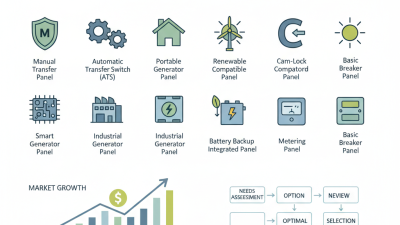
For global buyers, a useful generator range starts with the actual load, not a catalogue headline. Portable units may suit small shops, remote pumps, or temporary work areas. Industrial sets can support hospitals, factories, data rooms, and construction sites. Common ratings span from about 5 kVA to more than 2,000 kVA. Always separate standby power from prime power. Standby ratings cover outages, while prime ratings support variable loads for longer periods. That distinction is easy to miss.
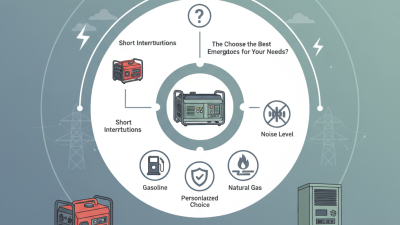
Diesel remains popular for heavy-duty standby service because it offers strong torque and stable fuel storage. Natural gas can provide cleaner onsite operation where a reliable gas line exists. Gasoline models are often compact, but they may not fit continuous commercial use. Some suppliers also offer dual-fuel configurations. Ask for fuel consumption at 25%, 50%, and 75% load. A single figure can hide operating costs. It happens more often than buyers expect.
Tips: Request load-bank test records, wiring diagrams, noise data, and cold-start details. Check voltage, frequency, phase, enclosure, and transfer-switch compatibility. In humid coastal areas, inspect corrosion protection closely. In cold regions, ask about heaters and battery performance. A factory inspection or independent test adds confidence, although it adds time and cost. I would also verify spare-part availability before choosing a lower-priced package. Cheap equipment is not always economical.
Quality standards decide whether a standby generator performs beyond the factory gate. The International Energy Agency’s Electricity 2024 report expects global electricity demand to rise by about 4% in 2024 and 2025. That growth increases pressure on dependable backup systems in hospitals, data centers, and remote facilities.
Export buyers should request evidence for ISO 8528 testing, including rated output, frequency stability, voltage response, and load acceptance. Performance class matters during sudden transfer events. ISO 9001 supports process control, while ISO 14001 indicates structured environmental management. Required market approvals may include CE, UKCA, or destination-specific electrical and emissions compliance. Certification is not universal. Verify the exact model, engine configuration, and destination rules.
UNCTAD’s Review of Maritime Transport reports that over 80% of global merchandise trade moves by sea. Therefore, export readiness includes more than a compliant machine. Manufacturers should provide seaworthy packing, moisture protection, spare-parts lists, wiring diagrams, and bilingual manuals. Serial-number traceability helps resolve warranty disputes across time zones. Small details matter.
Factory inspections should review fuel consumption at several loads, not only the headline rating. Buyers can request witnessed testing, calibration records, and simulated outage trials. Some suppliers present excellent paperwork but weak service planning. That gap deserves attention. A reliable exporter should explain lead times, remote diagnostics, technician training, and replacement-part availability before signing the order.
Global buyers should evaluate a supplier beyond catalog prices and polished websites. A reliable manufacturer can explain engine options, alternator performance, fuel use, noise levels, and operating limits clearly. Ask for factory registration, product test records, quality certificates, and recent export references. Documents matter. Physical evidence matters more.
Supplier communication also reveals operational maturity. Notice how quickly technical questions receive precise answers. Confirm warranty coverage, response times, technician availability, and replacement-part procedures in writing. A dependable supplier should adapt specifications without hiding extra costs.
However, no evaluation is perfect. I have seen attractive certificates paired with weak after-sales planning. That mistake can become expensive during a power outage. Request customer references from projects with similar climate, load, and installation conditions. Verify those references independently. Do not rely on a single favorable testimonial. A small trial order can expose packaging weaknesses, documentation gaps, or delayed communication before a larger contract begins.