How to Choose the Best Standby Electric Generator for Your Home?
Choosing the best standby electric generator for your home is essential for ensuring consistent power during outages. According to a report by the United States Energy Information Administration, over 3 million Americans experienced power interruptions in the last year alone. This highlights the necessity of reliable backup power solutions. A standby electric generator offers a seamless transition to electricity, providing peace of mind.
As homeowners consider this investment, they should know that the market for standby generators is projected to grow significantly. IBISWorld reports indicate a growth rate of 5.2% annually over the next five years. This growth underscores the importance of selecting the right unit. A generator's size, fuel type, and noise level are vital factors to assess. Misjudgments in these areas can lead to insufficient power or unnecessary expenses.
Investing in a standby electric generator requires careful consideration. It's not just about choosing the most popular model; understanding your power needs is critical. Many homeowners overlook their specific requirements and end up with a generator that doesn't suit their situation. Balancing performance, cost, and features will lead to better outcomes for safety and convenience.

Understanding Your Power Needs for a Standby Generator
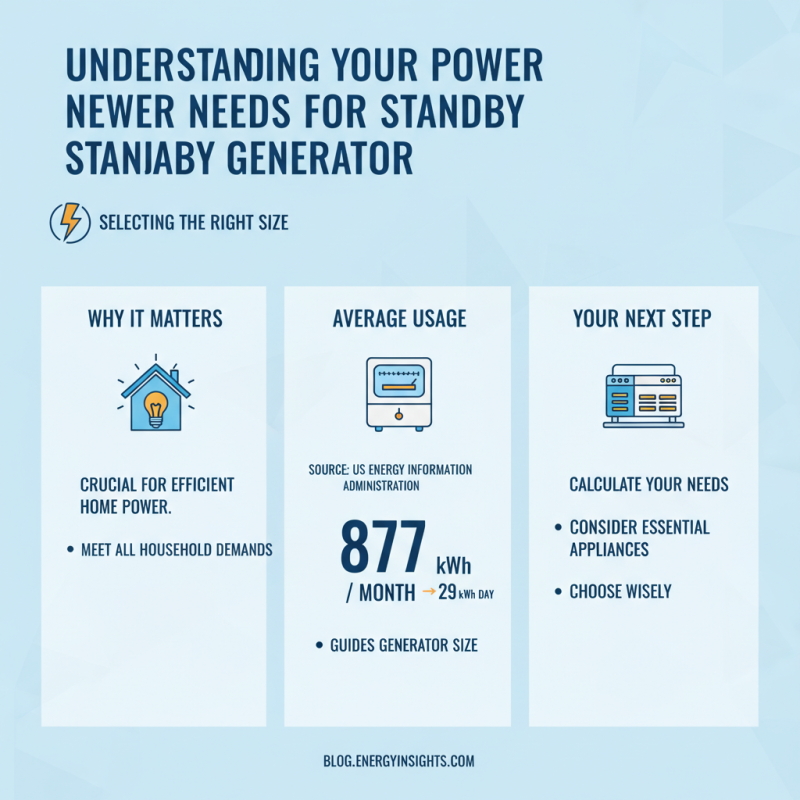
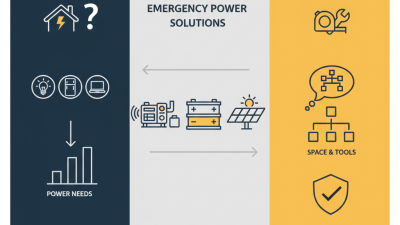
Understanding your power needs is crucial when selecting a standby electric generator. The right generator should meet your household demands efficiently. Data from the U.S. Energy Information Administration indicates that the average American home uses about 877 kWh per month, translating to approximately 29 kWh per day. This figure can help gauge what size generator is necessary.
Consider the appliances you need to power during an outage. Refrigerators, heating systems, and lights typically require substantial wattage. For instance, a standard refrigerator may draw around 600 watts, while a central air conditioning unit can exceed 3,000 watts. To avoid underestimating your needs, create a list of essential devices and their wattage requirements.
It's easy to overlook certain items. When calculating power needs, remember that some appliances require more starting wattage than running wattage. This can impact your choice significantly. A careful assessment of these elements ensures you choose a generator capable of supporting your household effectively. The goal is to select a well-rated generator that aligns with your specific requirements, minimizing the potential for disappointment during outages.
Types of Standby Electric Generators Available for Home Use
When selecting a
standby electric generator
for home use, understanding the different types available can make all the difference. Generally, there are two primary categories:
air-cooled
and
liquid-cooled
generators. Air-cooled models are smaller and more affordable. They are popular among homeowners who have modest backup power needs. However, they typically have a shorter lifespan and may struggle with prolonged outages.
In contrast, liquid-cooled generators handle larger loads and are built for longevity. These are ideal for bigger homes or properties with high energy demands. They operate quietly and efficiently, making them suitable for residential neighborhoods. Installation costs are higher, and they require regular maintenance to ensure reliability.
Homeowners should also explore automatic and manual switch options. Automatic transfer switches can seamlessly kick in during power outages. This means no need for manual intervention. Meanwhile, manual switches are more budget-friendly but require the user to monitor the electricity supply. In a rush, it can lead to oversights.
Careful consideration of these factors will help you choose wisely.
Key Features to Consider When Selecting a Generator
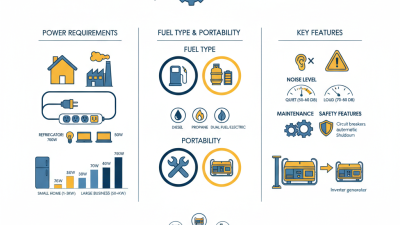
When selecting a generator for your home, focus on the essential features that suit your needs. Power output is crucial. Calculate the wattage required for essential appliances. Consider both starting and running wattages. A generator's fuel type also matters. Diesel, propane, or natural gas all have different pros and cons. Look into the fuel efficiency for long-term savings.
Portability and installation ease should not be overlooked. Some generators are compact, making them easier to store and transport. Others are permanently installed outside your home. Noise level is another critical aspect. A quieter generator can make the experience much more pleasant during outages.
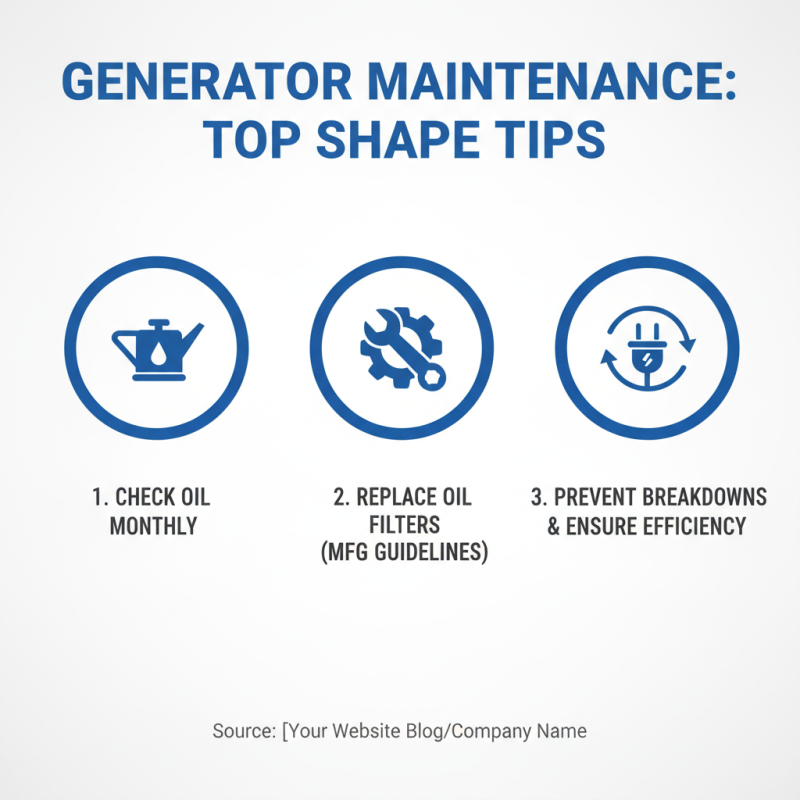
Don't forget about maintenance requirements. Some generators need frequent checks, while others are more self-sufficient. Read reviews from other users for real-life insights. Take time to compare options. This will ensure your final choice fits both your needs and budget. Generators are a big investment. Make sure you choose wisely.
How to Choose the Best Standby Electric Generator for Your Home? - Key Features to Consider When Selecting a Generator
| Feature |
Description |
Importance |
| Power Output |
The total wattage the generator can provide to run essential appliances. |
Critical |
| Fuel Type |
The source of energy the generator uses, such as gasoline, propane, or diesel. |
High |
| Noise Level |
Measured in decibels (dB), indicates how loud the generator operates. |
Moderate |
| Portability |
Ease of moving the generator, which is important for emergency use. |
Moderate |
| Automatic Transfer Switch (ATS) |
Automatically switches power load to the generator during an outage. |
Critical |
| Run Time |
Duration the generator can operate on a full tank of fuel. |
High |
| Warranty |
Duration and coverage of the manufacturer’s warranty on the generator. |
Moderate |
Installation Requirements and Safety Considerations
When selecting a standby electric generator, installation requirements and safety considerations are paramount. Assess your home’s electrical system to determine the appropriate generator size. This involves calculating the total wattage of essential appliances. A professional can help with this, ensuring accurate assessments and minimizing risk.
Proper installation is critical. Generators should be placed in a well-ventilated outdoor area. This helps prevent carbon monoxide buildup. You must also ensure that the generator is on a stable surface to avoid tipping or movement. Installation should comply with local electrical codes, which varies by location. Hiring a certified electrician can alleviate concerns over compliance and safety.
Safety considerations extend to maintenance and fuel storage. Regular checks can prevent failures during outages. Always store fuel in approved containers away from the generator to minimize fire hazards. Remember that improper placement can result in risks such as backfeeding electricity into the grid, which poses dangers for utility workers. Prioritize safety by assessing your setup regularly and making adjustments when needed.