10 Best Portable Generators for Reliable Power Anywhere?
In today's fast-paced world, having a reliable source of power is essential. Whether you're camping in the wilderness or preparing for a power outage, a portable generator can provide the electricity you need. These small yet powerful devices come in various models, offering different capabilities and features.
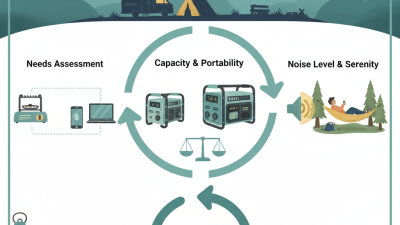
When choosing the right portable generator, consider your specific needs. Think about the appliances you plan to power and the generator's wattage capacity. Some generators are quieter and more efficient than others. This can make a huge difference in your experience while using them.
However, portability doesn't mean sacrificing reliability. Many users find it challenging to balance size and power. Often, an ideal generator might fall short in other aspects, like fuel efficiency or noise levels. The key is to find the right balance for your situation. In this article, we will explore the top options available, each offering unique strengths to help you find your perfect portable generator.
Types of Portable Generators and Their Benefits
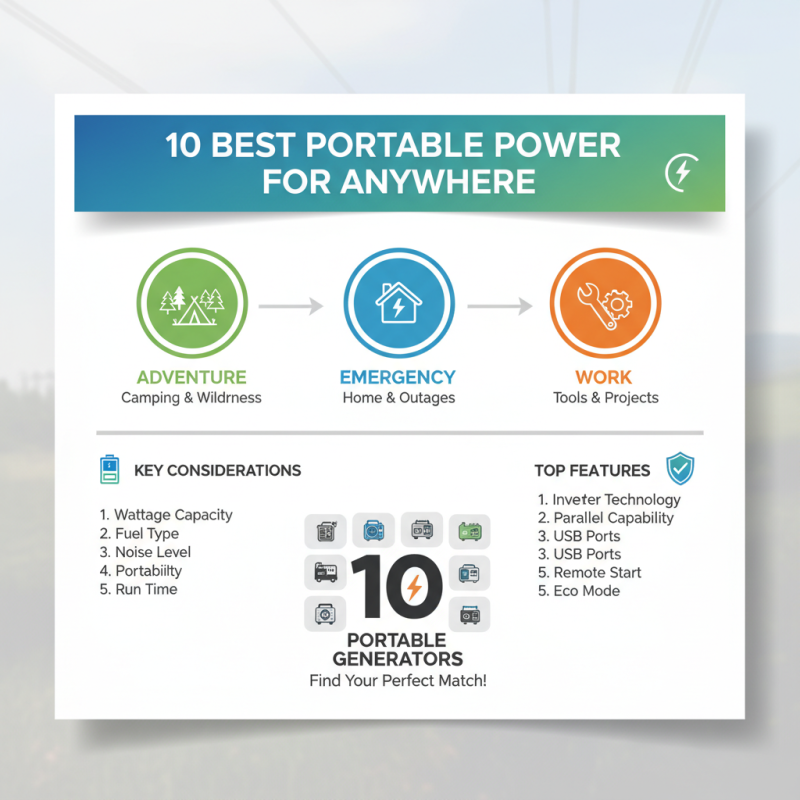
When it comes to portable generators, understanding the types available is crucial. There are inverter generators, known for their quiet operation and clean power output. These are perfect for camping and sensitive electronics. Meanwhile, traditional generators provide robust power for heavy-duty needs but can be noisy and less efficient.
Another category is dual-fuel generators. They offer flexibility, as they can run on both gasoline and propane. This can be a game-changer in remote areas. However, managing fuel types might be complicated for some users. Lastly, solar generators harness renewable energy. They are eco-friendly and silent. Yet, their power capacity might limit some applications.
Selecting the right type of portable generator involves weighing pros and cons. Consider your power needs and environment. Efficiency and noise levels matter too. Reflect on where you plan to use the generator most. Ultimately, make an informed choice that suits your lifestyle.
Power Output Comparison of Portable Generators
This chart displays the power output in watts of various portable generators, showcasing their capacity and reliability for providing energy in different scenarios.
Key Features to Consider When Choosing a Generator
When choosing a portable generator, several key features should guide your decision. The wattage capacity is crucial. Make sure it meets your power needs. Consider whether you require it for outdoor activities or backup at home. Fuel type is another important factor. Gasoline generators are common, but propane options exist too.
Tips: Check for noise levels. Some models can be quite loud, which may disturb your surroundings.
Portability matters, especially if you'll be moving it frequently. Weight and design can affect easy transportation. Some have wheels for better maneuverability.
Finally, safety features should not be overlooked. Look for models with overload protection and automatic shut-off systems. This can prevent damage and ensure safe operation. Choosing the right generator can be challenging, but these aspects are vital for reliability.
Top 10 Portable Generators for Different Power Needs
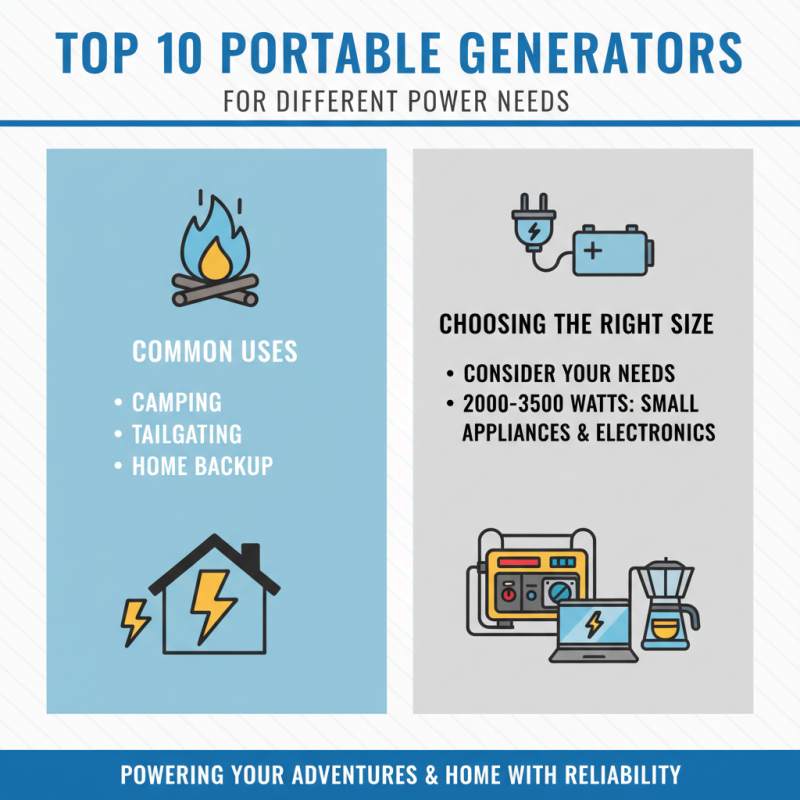
When choosing a portable generator, it's essential to consider your unique power needs. Many users require generators for camping, tailgating, or backup power during outages. Portable generators vary significantly in size and output. According to industry reports, a generator with a 2000 to 3500-watt capacity is adequate for most small appliances and electronics.
For those needing to power larger tools or equipment, a generator that offers 4000 watts or more may be necessary. It's crucial to assess the total wattage of devices you'll use simultaneously. A single fridge often needs around 700 watts, while other appliances can add up quickly. Transportability also matters. Lightweight generators weighing under 50 pounds are ideal for camping, making it easier to move around.
Unfortunately, some users overlook noise levels. Generators can emit 50 to 70 decibels. Models on the quieter end provide a more pleasant experience, especially in recreational settings. Research indicates that quieter units are in high demand, reflecting a growing trend toward user-friendly options. As portable generators evolve, there's still room for improvement in fuel efficiency and emissions. Choosing the right generator requires balancing power output, noise, and portability to meet specific needs effectively.
Comparative Review of Performance and Reliability
When choosing a portable generator, reliability is key. You want a unit that consistently delivers power in various situations. Many models offer different fuel types, such as gasoline, propane, or dual-fuel options. Each type has pros and cons in terms of performance and convenience. For instance, gasoline generators often deliver high power output but can be less efficient.
Consider the environment too; noise levels can be disruptive in campgrounds or residential areas.
Performance can vary significantly among models. Some units may struggle to maintain power during high-demand situations. It’s crucial to evaluate their wattage ratings and fuel efficiency. Lightweight options are easier to transport, but they might not provide the same level of performance.
Read user reviews for real-world usage insights. You’ll often find mixed feedback. While some users might rave about a generator’s reliability, others might face unexpected shutdowns.
Look for features that enhance usability. Built-in safety measures, easy start systems, and low oil shutdown can add peace of mind.
However, some generators might come with hefty price tags, raising concerns about value. Look for alternatives that suit your budget without sacrificing too much performance. Remember, no generator is perfect, so weighing your priorities is essential.
Safety Tips for Using Portable Generators Effectively
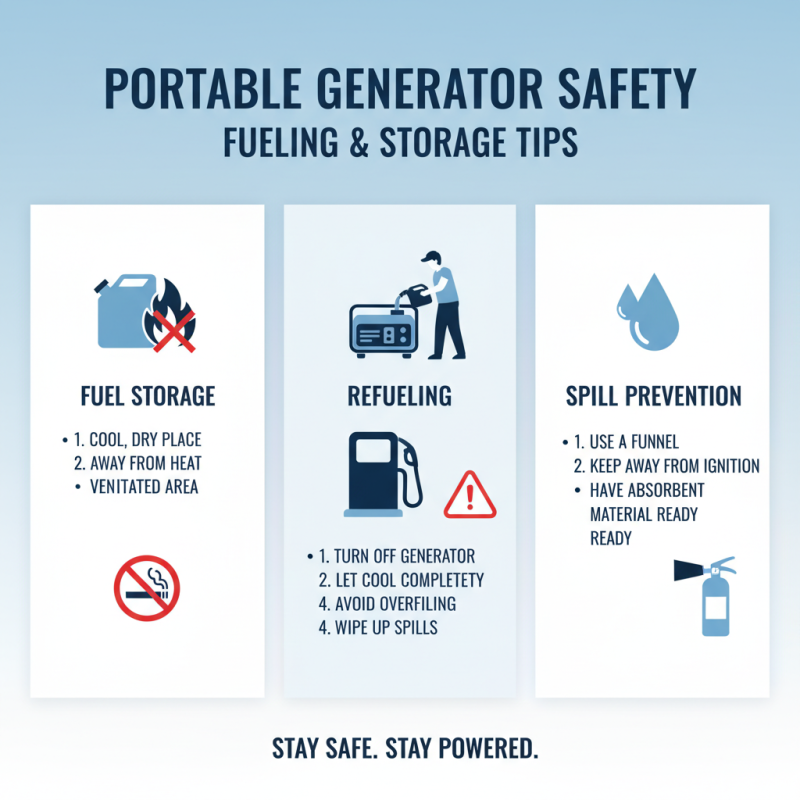
When using portable generators, safety is paramount. Fuel systems pose significant risks. Always store fuel in a cool, dry place away from heat sources. Avoid overfilling the tank. Spills can easily ignite, leading to accidents. Ensure the generator is off and cool before refueling. This simple step can prevent injuries.
Ventilation is critical for safe generator operation. Generators produce harmful carbon monoxide. Place them outdoors, far from windows and vents. A distance of at least 20 feet is recommended. Always check exhaust direction. Even a slight breeze can shift deadly fumes towards you or your loved ones. It’s not just about where you stand; it’s about everyone’s safety.
Lastly, proper use of extension cords is essential. Use heavy-duty cords suitable for the load. Overloading can lead to overheating. Inspect cords for damage before connecting devices. Power surges can also occur; consider using surge protectors. Planning helps, yet it’s easy to overlook these details in a hurry. Always pause and evaluate your setup before use.